Friday, September 16, 2022

September 15, 2022: Johns Hopkins COVID 19 Situation Report

COVID-19 Situation Report

Editor: Alyson Browett, MPH

Contributors: Clint Haines, MS; Noelle Huhn, MSPH; Amanda Kobokovich, MPH; Aishwarya Nagar, MPH; Christina Potter, MSPH; Matthew Shearer, MPH; Marc Trotochaud, MSPH; and, Rachel A. Vahey, MHS

EPI UPDATE The WHO COVID-19 Dashboard reports 607 million cumulative cases and 6.50 million deaths worldwide as of September 14. Global weekly incidence continues to decline, for the fifth consecutive week—down 25% from the previous week. Global weekly mortality decreased as well, for the fourth consecutive week—down 19% from the previous week.

Weekly incidence continues to decline in all WHO regions, ranging from -5% in Europe to -36% in the Western Pacific region. Notably, the pace of the decreasing trend in Europe appears to be slowing, and the region may be approaching a local minimum or plateau.

UNITED STATES

The US CDC is reporting 95.2 million cumulative cases of COVID-19 and 1,046,195 deaths. Daily incidence continues to decline, down to 60,558 new cases per day. This is the lowest average since May 1 and a 54% decrease from the most recent peak on July 16. Daily mortality continues to decline as well, down to 350 deaths per day. This is the lowest average since July 9 and a decrease of 30% from the most recent high on August 12. The CDC reported a slight increase in both daily incidence and mortality on September 12, but this is likely due to delayed reporting over the US Labor Day holiday weekend.*

*Changes in state-level reporting may affect the accuracy of recently reported data, particularly over weekends. In an effort to reflect the longer-term trends, the numbers reported here may not correspond to the most recent dates.

Both new hospital admissions and current hospitalizations continue to exhibit downward trends, with decreases of 6.5% and 5.4%, respectively, over the past week. Both trends peaked around the last week of July, similar to trends in daily incidence, and both are approximately 80% lower than the record peak in mid-January 2022.

The BA.5 sublineage continues as the dominant strain in the US, accounting for 87.5% of sequenced specimens; however, growing evidence indicates that BA.4.6 might be capable of outcompeting it. The prevalence of BA.4.6 has steadily increased since at least mid-summer 2022, but the BA.5 prevalence increased more rapidly over much of that period. This is the first week that the CDC’s Nowcast projection shows a noticeable decrease in BA.5 prevalence**, while BA.4.6 continues to account for a larger share of US cases. Since last week, the BA.4.6 prevalence increased from 8.3% to 9.2%, while the prevalence of BA.5 fell slightly from 87.9% to 87.5%. The prevalence of all other reported lineages continues to decline, and together, the Omicron sublineages account for essentially all new US cases.

**From the week of August 27 to the week of September 3, the BA.5 prevalence decreased from 88.0% to 87.9%, but we interpret this as essentially remaining constant over that period.

PANDEMIC RESPONSE EVALUATIONS As daily COVID-19 incidence and mortality continue to decline globally, attention is shifting to pandemic recovery efforts, including lessons for future pandemic preparedness and response. In a long-awaited report published September 14, The Lancet COVID-19 Commission described the tremendous pandemic death toll as “both a profound tragedy and a massive global failure at multiple levels,” underlined by an absence of international cooperation, dismissal of risks by national leaders, influence of misinformation, paucity of governmental and organizational transparency, and disregard for basic public health precautions. As a result, COVID-19 impacted countries in “highly unequal” ways, with particularly severe outcomes for the most vulnerable populations, including children, immigrants and refugees, and those in low- and middle-income countries (LMICs). Additionally, a substantial portion of COVID-19 survivors continue to experience prolonged health effects stemming from SARS-CoV-2 infection, and many people are dealing with the impact of COVID-19-related deaths among family and friends. The report cites the rapid development of vaccines as a positive example of international cooperation, but it also acknowledges substantial disparities in vaccination coverage at the national level, particularly between LMICs and higher-income countries. The report also calls attention to downstream and longer-term effects of the pandemic, including setbacks in progress toward achieving Sustainable Development Goals (SDGs) in many countries.

The report—produced by a panel of 28 experts who consulted more than 170 contributors through 12 task forces—makes several recommendations falling under 5 pillars: prevention, containment, health services, equity, and global innovation. The recommendations include improving multilateral cooperation; implementing a “vaccination-plus” strategy that combines vaccination with other medical countermeasures (MCMs) and nonpharmaceutical interventions (NPIs); improving surveillance and prevention for natural and accidental spillover events; expanding international research and development and manufacturing capacity for vaccines and other products; establishing sustainable financial support for LMICs; and strengthening the WHO and national health systems. The report also calls for intensifying efforts to identify the origins of SARS-CoV-2, noting that the task force examining the pandemic’s origins was ended because “the divisive public discussion about the source of SARS-CoV-2 damaged the trust needed for the task force to complete its work.”

The report has already met pushback from some experts and organizations, including the WHO. The WHO issued a statement in response to criticisms that it acted too cautiously and sluggishly, both to declare a public health emergency of international concern (PHEIC) and warn of the potential for airborne/aerosol transmission. The WHO emphasized that it welcomes the report’s overarching recommendations but argued that there are “several key omissions and misinterpretations,” particularly related to the speed with which the WHO responded to the initial outbreak. Additionally, several experts criticized the report for reviving debate about the virus’ origins and for omitting recent relevant evidence that the novel coronavirus likely emerged through a zoonotic event in a market in Wuhan, China. Notably, the commission’s Chair, Dr. Jeffrey Sachs, has publicly supported the “lab leak” theory as the origin of the virus, and some contest that his personal beliefs unduly influenced the commission’s findings.

Earlier on September 14, WHO Director-General Dr. Tedros Adhanom Ghebreyesus told journalists during his weekly briefing that the world has “never been in a better position to end the pandemic” but is “not there yet.” He called on the international community to “seize this opportunity” and announced the release of 6 WHO policy briefs that outline essential actions for national and subnational policymakers to help reach the goal of ending the pandemic. The briefs include guidance for testing, vaccination, clinical disease management, healthcare facility infection control, combating misinformation, and community engagement. Following those comments, Africa CDC Acting Director Dr. Ahmed Ogwell Ouma emphasized that low vaccination coverage and ongoing transmission across the continent illustrate that COVID-19 remains a major threat.

In related news, an investigation published today by POLITICO and the German newspaper WELT examines the influence of several entities in the COVID-19 pandemic response, including the Bill & Melinda Gates Foundation; the Wellcome Trust; Gavi, the Vaccine Alliance; and the Coalition for Epidemic Preparedness Innovations (CEPI). The investigation concludes that the organizations were better prepared than governments for an infectious disease outbreak; the groups’ leaders were able to routinely meet with high-level government and multilateral organization leaders; they pledged billions of dollars to help close equity gaps for vaccines and treatments but hoarding by high-income nations got in the way; and their initial lack of support for intellectual property waivers might have impeded access to vaccines and therapeutics in LMICs. Several experts have criticized the report for being shortsighted and naïve, including by undervaluing public-private partnerships in pandemic responses and misrepresenting CEPI and Gavi—both financial intermediary funds (FIFs) under the World Bank—as nongovernmental organizations.

US GLOBAL RESPONSE & RECOVERY The Biden administration today released an updated version of its US COVID-19 Global Response & Recovery Framework, meant to help guide the US commitment to a globally equitable end to the emergency phase of the pandemic by working with international partners to use available tools and expertise, integrating COVID-19 response elements into existing health structures, and improving global pandemic preparedness. The plan outlines 3 primary objectives to achieve those goals: vaccinating those who are at highest risk and the hardest-to-reach by ensuring access to vaccines and integrating vaccinations into existing health structures; integrating and scaling testing and treatment efforts into existing health structures without disrupting other health services; and preparing for future variants and pandemic threats by strengthening health security infrastructure to detect and rapidly respond to emerging threats. The updated global framework comes at a time when the US is facing domestic pandemic fatigue, dwindling amounts of federal funding, and hundreds of daily deaths due to COVID-19.

US ECONOMIC IMPACTS Recent data from the US Census Bureau is helping to illuminate impacts of the COVID-19 pandemic and response. The bureau released 1-year estimates from its American Community Survey today, showing various social and economic changes. For example, fewer people moved to a new home, more people gained internet access through expanded coverage and computer ownership, more unmarried couples moved in together, more people spent over 30% of their income on rent, preschool enrollment dropped, and public transportation use dropped by half. Another report, the 2022 Current Population Survey Annual Social and Economic Supplement (CPS ASEC), included some rare good news. Childhood poverty is at a historic low, falling from 9.7% to 5.2% between 2020-2021. Experts attribute much of this improvement to the boosted child tax credit included in the American Rescue Plan that provided families additional money to pay for food, clothes, education, and extracurricular activities. Notably, the overall poverty rate also fell to 7.8% in 2021 from 9.2% in 2020. Additionally, the report shows that insurance coverage expanded in 2021, most likely due to pandemic-related measures that mandated a continuous enrollment provision Medicaid. Many of these measures have already ended or are set to expire, and it is now up to the US Congress to decide whether these measures should be renewed or stay in place.

LONG COVID IN EUROPE An estimated 17 million people across the WHO’s Europe region experienced post-acute sequelae or long-term symptoms of COVID-19, also known as long COVID, during the pandemic’s first 2 years, according to a modeling study conducted by the Institute for Health Metrics and Evaluation (IHME) for WHO/Europe. The region comprises 53 Member States across Europe and Central Asia that are home to nearly 900 million people. The report highlights the ongoing public health challenges posed by the condition, which is characterized by cognitive and mental health problems, fatigue, shortness of breath, and other symptoms experienced 12 weeks or more following a COVID-19 diagnosis.

The report, published September 13, found the number of new long COVID cases identified between 2020 and 2021 rose threefold, driven by the rapid increase in confirmed COVID-19 cases from late 2020 through 2021; women are twice as likely than men to suffer from the condition; and the risk of long COVID increases dramatically among people with severe infections who need hospitalization. WHO officials and the report authors said that although most people fully recover from COVID-19, the findings underline the need for additional analysis and investment to determine the long-term effects of the disease, including implications for the workforce and the need for rehabilitative and support services.

SARS-COV-2 VACCINE BOOSTER DURABILITY Recently published data on SARS-CoV-2 vaccine booster durability indicate that protection wanes by approximately 10-20% each month. Researchers at Ohio State University conducted a longitudinal study of healthcare workers to assess the durability of antibody titers stimulated by booster doses and published their preliminary analysis as a commentary in the New England Journal of Medicine. The study included 46 fully vaccinated participants who received their first booster—24 with the Moderna vaccine and 22 with the Pfizer-BioNTech vaccine*—and serum specimens were collected every 3 months after the booster dose to assess neutralizing antibody titers against the multiple variants, including the Omicron variant of concern (VOC).

*Neither the commentary nor supplementary appendix explicitly indicates whether the booster doses were the monovalent or bivalent formulation, but based on the study timing and duration, we understand them to be monovalent.

Among the participants, 14 had breakthrough infections during the study period, including 9 during the US Omicron variant surges. Notably, the duration of antibody titers was more robust in individuals with prior SARS-CoV-2 infection. Overall, neutralizing antibody titers decayed at a mean rate of 17.53% per month against lineages containing the D614G mutation (ie, Omicon sublineages). More specifically, titers decayed by 19.50% against the B.1 sublineage, 18.44% against BA.2.12.1, and 19.55% against BA.4/5 each month. Among participants with previous SARS-CoV-2 infection, antibody titers decayed 17.07% against lineages containing the D614G mutation, 14.22% against BA.1, 9.97% against BA.2.12.1, and 12.12% against BA.4/5. Additionally, the decay in antibody titers following the first booster dose was slower than after receiving the second dose of the primary series of the vaccines.

Experts note that waning protection is not unexpected for vaccines, emphasizing that this should not dissuade anyone from recommended booster doses. Some experts, however, have called attention to the contrast between this analysis and federal officials’ recent comments about plans for annual boosters, much like seasonal influenza. They argue that if antibody titers wane over a period of several months, annual boosters may not be often enough to provide sufficient protection. Available evidence demonstrates that booster doses do maintain protection against severe disease; however, rapid waning of that protection may necessitate regular booster doses—potentially as frequently as 4 months—especially for those at elevated risk of severe disease and death. Others posed questions regarding barriers to accessing booster doses, particularly in the context of the generally low coverage for annual seasonal influenza vaccinations.

Another issue is the absence of clearly defined and regular seasonal trends for COVID-19. While seasonal influenza tends to peak annually in the winter months, the COVID-19 pandemic has not exhibited traditional seasonality, peaking multiple times each year, across all seasons. Additionally, the emergence of new variants of concern or associated sublineages has occurred more frequently than once per year so far in the pandemic, which White House officials acknowledged could necessitate additional booster doses. Many questions remain regarding future COVID-19 trends and how those will factor into vaccination planning and guidance.

Wednesday, September 14, 2022

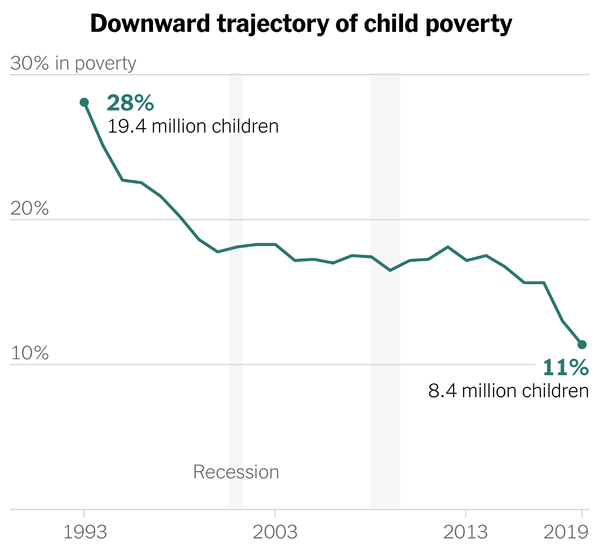
Child poverty in the U.S. has fallen by more than half since the early 1990s.


September 14, 2022


Author Headshot

By David Leonhardt

Good morning. Child poverty in the U.S. has fallen by more than half since the early 1990s.

The Tallman family in Marlinton, W.Va.Maddie McGarvey for The New York Times

An unequaled decline

When President Bill Clinton signed a bipartisan bill tightening the rules around welfare eligibility in 1996 — and making many benefits conditional on work — critics on the political left predicted terrible effects.

A few members of the Clinton administration quit in protest. Senator Daniel Patrick Moynihan warned of devastating increases in child poverty. The New Republic proclaimed, “Wages will go down, families will fracture and millions of children will be made more miserable than ever.”

A quarter-century later, these predictions look very wrong. As my colleague Jason DeParle wrote this week:

A comprehensive new analysis shows that child poverty has fallen 59 percent since 1993, with need receding on nearly every front. Child poverty has fallen in every state, and it has fallen by about the same degree among children who are white, Black, Hispanic and Asian, living with one parent or two, and in native or immigrant households.

Sources: Child Trends; U.S. Census Bureau; Center on Poverty and Social Policy at Columbia University

How did this happen? The 1996 welfare law turned out to be a case study of different political ideologies combining to produce a result that was better than either side would likely have produced on its own.

Some conservative critiques of the old welfare contained an important insight, Jason told me. Poor single mothers (the main beneficiaries of welfare) were better able to find and hold jobs than many liberals expected. Over the past few decades, increased employment among single mothers has been one reason for the decline in child poverty, according to the study, which was done by Child Trends, a research group.

But the biggest cause was an expansion of government aid. And progressives were the main force behind this expansion. With welfare less generous, Democrats (sometimes in alliance with Republicans) pushed for policies to help low-income workers, such as expansions of the earned-income tax credit and food stamps. Increases in state-level minimum wages also played a role.

Stacy Tallman in West Virginia.Maddie McGarvey for The New York Times

“I don’t know where I’d be right now if I didn’t have that help,” said Stacy Tallman, a mother of three and a waitress in Marlinton, W.Va., referring to Medicaid, tax credits and food stamps.

After welfare reform, the focus of the government’s anti-poverty efforts shifted from people who weren’t working to people who were — and, thanks partly to the generosity of the new programs, child poverty plummeted. The size of the decline, Dana Thomson, a co-author of the study, said, “is unequaled in the history of poverty measurement.”

Dolores Acevedo-Garcia of Brandeis University pointed out that 12 million additional children would be poor today if the poverty rate were still as high as it was in the 1990s. The reasons to cheer this development are both immediate and longer term: Children who spend even modest amounts of time in poverty earn less money and are less healthy as adults on average, research has shown.

Hiding in plain sight

I am guessing that many readers are surprised to hear about the big drop in child poverty since the 1990s. I’ll confess that I was — and I have been covering economics for much of the past two decades. As Jason told me, “It is odd that such a big decline in child poverty has gone almost completely unnoticed.”

In part, the lack of attention stems from a theme I’ve mentioned before in this newsletter: bad-news bias. Journalists and academic experts are often more comfortable reporting negative developments than positive ones. We worry that we come off as blasé or Pollyannaish when we report good news.

The poverty statistics add to the confusion because there are so many different versions. The measure that the Census Bureau calls “official” does not include government aid, which is bizarre, as Dylan Matthews of Vox has noted. And every measure has limitations. The one that Jason used in his story overestimates the impact of the earned-income tax credit and underestimates the impact of the food stamps, for technical reasons. (Neither alters the basic conclusion, as Robert Greenstein, a longtime progressive policy adviser, says.)

Still, I understand why many people are reluctant to focus on the poverty decline. The U.S. has not solved poverty. More than 20 million Americans are poor today, and many others above the poverty line also struggle to afford a decent life. As successful as President Biden has been in passing many parts of his agenda, Congress failed to pass several of his anti-poverty proposals. Those measures would have expanded access to child care and increased the child tax credit, among other things.

Despite these caveats, the decline in poverty deserves to be a major news story. For one thing, it’s legitimately surprising: Even Jason — who has spent more time writing about American poverty than almost any other journalist — acknowledges that welfare reform did less damage than he expected, in part because of the subsequent expansions of aid.

At a time of deep cynicism about government, the drop in poverty is an example of Washington succeeding at something big. “The decline in child poverty is very, very impressive,” Greenstein said, “and it is overwhelmingly due to the increased effectiveness of government programs.”

For more

  • The Census Bureau reported yesterday that its more accurate measure of poverty — including government aid — fell to 7.8 percent last year, from 9.2 percent. But that decline was partly the result of anti-poverty programs that Congress has not renewed.
  • As part of his reporting, Jason traveled to West Virginia to write about the differences between Cecelia Jackson’s childhood and her children’s lives today. “I’ve got dreams and goals not to need it one day,” she said, referring to the government help she receives, “but for now I’m grateful it’s here.”

Student Loan Forgiveness maybe taxable Income

Student Loan Forgiveness May Hit You With a Heavy Tax Bill

Eric Reed

Tue, September 13, 2022 at 3:11 PM

Depending on where they live, student borrowers may soon face an unexpected tax burden.

In August, the Biden Administration made news by announcing that it would forgive up to $10,000 in student debt for most borrowers and up to $20,000 for Pell Grant recipients. This would eliminate student debt entirely for approximately 20 million borrowers, primarily among low-income households, and would reduce the average bachelor's degree debt by about one-third.

But the government giveth, and the government taketh away: Some states have announced that they will tax this loan forgiveness as a form of income. Here's how to determine if you'll face a tax bill on your student loan forgiveness.

For extra assistance navigating the complicated terrain of taxes and student loan forgiveness, consider matching with a trusted financial advisor.

Which States Tax Student Loan Forgiveness?

Mississippi, North Carolina and Indiana have confirmed that they will consider the Biden student loan forgiveness program a form of taxable income, meaning that borrowers will have to report it on their annual income taxes for the year in which the debt is formally discharged. Several other states have confirmed that they are considering this as well, or are waiting to see the final details of the Biden proposal.

The federal government will not tax Biden's loan forgiveness proposal, because the American Rescue Plan suspended taxes on student debt forgiveness through 2025.
The details of this hinge on how state and federal tax collectors treat debt forgiveness.
While not commonly known among students and graduates, under ordinary circumstances the IRS and state tax agencies treat student debt forgiveness as any other form of debt discharge. This means that they consider it effectively income for the year in question.
For example, say that you owe $10,000 and your lender officially waives the debt. For tax purposes, you will have been enriched by $10,000 and must report it as additional income. Absent any other circumstances, student debt is treated no differently.

This can lead to a significant, and often unexpected, tax bill at the end of the year. With the average worker paying about 13% of income in taxes, $10,000 worth of student loans forgiveness will increase the average graduate's taxes by $1,300. Since this wasn't reflected in the person's wages, it will not have been automatically deducted on the person's W-2 over the course of the year. Instead the taxpayer must make up the difference by paying any additional taxes when filing.

This comes up most often for borrowers who take advantage of income-based repayment. This program limits a borrower's payments based on personal income and, after 25 years, forgives the remaining debt entirely. Those borrowers then owe taxes on the entire amount discharged. For some workers this can increase their taxable income by more than they earned in the entire year.

On occasion the government will carve out exceptions to this rule. For example, students who receive debt forgiveness based on public or military service do not have to report it as income. This is what happened under the American Rescue Plan, when the government created a blanket carve-out for all loans forgiven between 2021 and 2026. However that only applies to the federal government. States are free to treat this debt forgiveness as they see fit.

Uncertainty Around Taxes on Student Loan Forgiveness

Many states have passed laws adopting the American Rescue Plan's tax suspension. Others already treat student loans differently from the IRS, or in some cases have no income tax at all. Borrowers in those states will face no tax event from the Biden loan forgiveness proposal.

In other states, however, this can have significant consequences.

While only three states have confirmed that they will collect taxes on the Biden loan forgiveness plan, an analysis by the Tax Foundation suggests that several others might do so under existing law. Most notably Arkansas, Minnesota and Wisconsin have laws that appear to treat this loan forgiveness as taxable income, although the states have issued no formal guidance as of yet. Massachusetts has announced that it does not anticipate taxing this debt forgiveness, although confirmation will depend on the final details of the program.

Other states, however, have become more complicated.

In Pennsylvania and California, for example, existing state law and practice treats student debt forgiveness as a form of income for the relevant year, and there is no indication that they have changed or suspended these laws. However political leaders in both states have also made public statements indicating that they will not collect taxes on the Biden loan forgiveness, creating a potentially confusing situation in which taxpayers are faced with government statements potentially at odds with existing policy.

States do have time to clarify this issue. While the Biden administration has confirmed that it intends to move forward with debt forgiveness, it has not actually released any formal policies or executive orders yet. This means that the details remain unconfirmed as does the year in which this policy will take effect. This gives states time to decide how they will handle this, and some will no doubt wait until they see the final policy.

While most states have a significantly lower income tax rate than the federal government, some can have rates of 9% or even 10%. This can result in a potentially significant tax event, especially for low-income borrowers who may not have the cash on hand to pay this additional bill when it comes time to file their taxes.

Student Loan Forgiveness Taxes as Political Football

Income taxes are the latest in a series of controversies surrounding Biden's loan forgiveness plan. The policy drew immediate legal and political concerns. Legal scholars have questioned the President's authority to waive government-held debt unilaterally in the first place. Some suggest that, while an executive can suspend collection, only the legislature can forgive debt entirely. They argue that this operates similarly to how a prosecutor can choose not to pursue charges at any given time, but only the legislature can decriminalize behavior.

Politically, Republican officials have overwhelmingly opposed this plan, arguing that it will disproportionately help high-income borrowers such as doctors and lawyers who take out the majority of student loans. While the average professional student takes out between $130,000 and $200,000 in loans, most earn around $60,000 at graduation with only a handful getting the high profile six-figure job offers.

Bottom Line

In the wake of Biden's plan to forgive up to $20,000 in student debt, some states have announced that they will treat this as taxable income. For some students that might mean a tax bill of $2,600 or more.

Tips on Managing Student Loans

• Student loans can be the best, or the worst, decision you'll ever make. It all depends on how you use them. Find out more using our student loan guide.
• Expected or not, planning for your taxes is always a good idea. With SmartAsset's financial advisor matching tool you can find a financial professional in your area to help you prepare for refunds, bills and anything else the tax man throws your way. Find a financial advisor now within minutes.

Photo credit: ©iStock.com/DNY59, ©iStock.com/Pekic

The post Student Loan Forgiveness May Hit You With a Heavy Tax Bill appeared first on SmartAsset Blog.

Tuesday, September 13, 2022

September 13, 2022: Johns Hopkins COVID 19 Situation Report

COVID-19 Situation Report

Editor: Alyson Browett, MPH

Contributors: Clint Haines, MS; Noelle Huhn, MSPH; Amanda Kobokovich, MPH; Aishwarya Nagar, MPH; Christina Potter, MSPH; Matthew Shearer, MPH; Marc Trotochaud, MSPH; and, Rachel A. Vahey, MHS

US RESPONSE As the COVID-19 pandemic enters its third fall in the US, the White House has signaled it plans to slowly restructure its response efforts, including the phaseout of the White House COVID-19 Response Team mid-2023. With dwindling federal funds, responsibility for vaccinations and therapeutics is shifting to private industry and consumers within the next 6 months. Any remaining funds are largely being used for vaccination campaigns promoting this fall’s updated boosters and the purchase of at-home, rapid tests for the Strategic National Stockpile and Test-to-Treat locations. Officials are tentatively hopeful that the national public health emergency declaration for the pandemic may be allowed to expire in early 2023. While part of this transition can be attributed to fewer COVID-19 cases, deaths, and related hospitalizations, as well as the widespread availability of vaccinations and therapeutics, most response activities need to wind down due to a lack of new funding from the US Congress. Experts and officials emphasize that the pandemic is far from over, with COVID-19 on track to remain the third leading cause of death in the nation.

At the state level, New York Governor Kathy Hochul allowed the COVID-19 state disaster emergency declaration to expire last night, leaving only 10 states with emergency orders in place—California, Connecticut, Delaware, Illinois, Kansas, New Mexico, Rhode Island, Texas, West Virginia, and Washington. The 10 states with the lowest vaccination rates in the country (Wyoming, Alabama, Mississippi, Louisiana, Idaho, Tennessee, Arkansas, Georgia, North Dakota, Indiana) have yet to vaccinate 60% of their populations with the 2-dose primary series, far below the nationwide total of 67.6% and evidence that an updated booster may have a limited impact in the face of continued unwillingness to get vaccinated.

US WORKFORCE According to a recent Gallup poll, one-third of adults are concerned about COVID-19 exposure in the workplace, a proportion that is relatively unchanged since November 2021. The percentage of people “not concerned at all” has increased from 23% in 2020 to a record high of 39%. The recent survey also shows significant gaps in results by gender—41% of working women are concerned about on-the-job exposure compared with 26% of working men—and political party affiliation—51% of Democrats expressed at least moderate concern compared with 14% of Republicans. Two-thirds of workers said they expect new COVID-19 cases to increase during the colder months, although the poll was conducted prior to the approval of updated booster doses.

Additionally, recent research conducted by economists from Stanford University and Massachusetts Institute of Technology estimates that the labor force shrunk by about 500,000 people due to COVID-19 illness. Millions of people left the workforce for various reasons, including lack of childcare, fear of COVID, and retirement. But this research examines the direct impact of COVID-19 illness, estimating that workers with week-long COVID-19-related work absences are 7 percentage points less likely to be in the labor force one year later compared to otherwise-similar workers who do not miss a week of work for health reasons. In August, the total size of the labor force reached 164.7 million people, exceeding prepandemic levels for the first time. However, workforce recovery is experiencing slow-growth compared to prepandemic numbers, and economic recovery will depend on an expanded workforce in the long term.

BRAIN FOG When the COVID-19 pandemic first began, brain fog was not included in the list of possible symptoms. However, many COVID-19 patients report experiencing the condition, both during acute infection and lasting 3 or more months after recovery. Brain fog symptoms appear to be independent of initial disease severity. According to one review of multiple studies, about 22% of individuals report cognitive impairment 12 or more weeks following their initial diagnosis. Brain fog is often described as a disorder of executive function, the set of abilities that includes holding attention, remembering and recalling information, and blocking out distractions. Cognitive tasks that once seemed simple become excruciatingly difficult, and in some cases, impossible. Some people have had to leave their jobs due to an inability to perform their tasks, and many have faced frustration in obtaining medical care, often being dismissed as having anxiety or depression. Complicating the matter is that few clinicians are aware that many viral infections, not only COVID-19, can lead to brain fog and there are few reliable diagnostic tools.

Other neurological complications have been reported following COVID-19 infection, including stroke, delirium, and encephalitis. A recent study published in the journal Brain showed that patients hospitalized with COVID-19 had elevated levels of sera markers of brain injury, neurofilament light (NfL) and glial fibrillary acidic protein (GFAP). However, no specific pathogenic mechanism was determined responsible. Researchers continue to investigate what leads to brain fog—with possible causes including neuro-inflammation, autoimmune responses, or microclots that inhibit blood flow, and therefore oxygen supply—and are hopeful treatments can be developed.

GENETIC MUTATIONS For years, scientists have known that specific genetic mutations can make certain people less susceptible to infection with HIV, norovirus, or the parasite that causes malaria. Now, scientists worldwide are searching for similar mutations or immune system variations that might explain why some people with known exposures to COVID-19 either never become infected or never show symptoms of SARS-CoV-2 infection. The hope is that if researchers can identify a genetic or immune response explanation for resistance, they can use that knowledge to manufacture treatments or vaccines, which possibly could provide cross-protection from other coronaviruses in the future.

EUROPEAN BOOSTER AUTHORIZATIONS Following recommendations made earlier this month by the European Medicines Agency (EMA), the European Commission (EC) on September 12 approved the expanded conditional marketing authorization (CMA) of the Novavax COVID-19 vaccine, marketed as Nuvaxovid, in the EU as a homologous and heterologous booster for adults aged 18 and older. The protein-based vaccine is now available as a primary series or booster in EU Member States, Japan, Australia, and New Zealand, and is under review in other markets, including as a booster in the US. Only 4,872 people in the US have received the first 2 doses of the Novavax vaccine, which some officials hoped would entice unvaccinated individuals to get vaccinated because of its more traditional protein-based platform.

Also on September 12, the EMA recommended authorizing Pfizer-BioNTech’s adapted bivalent vaccine targeting the wild-type spike protein of SARS-CoV-2 and spike proteins of the Omicron BA.4 and BA.5 subvariants. The EC accepted the recommendation the same day, making the booster doses available for immediate shipment to EU Member States. Earlier this month, the EU authorized both Pfizer-BioNTech’s and Moderna’s bivalent vaccine boosters targeting Omicron BA.1.

CHINA As Chinese President Xi Jinping prepares to leave his country for the first time since the COVID-19 pandemic began in early 2020 to meet with Russian President Vladimir Putin, tens of millions of people in China remain under weeks-long lockdowns as part of the nation’s continued “dynamic zero COVID” strategy. President Xi is expected to seek an unprecedented third term as the nation’s leader, and observers say the lockdowns likely will continue at least through the 20th National Chinese Communist Party Congress set to begin October 16. Experts say President Xi likely does not want any uncontrollable rise in COVID-19 cases until after his next term is secured. However, residents in several cities are warning they are running out of food, have limited to no access to medicines and health supplies, and are suffering from psychological and economic impacts. Experts say the government’s insistence on its zero COVID policy exposes the politics behind the measures, with President Xi taking credit for its apparent success in preventing potentially millions of COVID-19 cases. But growing discontent among the nation’s population, as well as economic harms, raise questions about how long the policies can remain in place.

WESTERN PACIFIC REGION New Zealand dropped many of its COVID-19-related requirements on September 12, bringing an end to some of the most restrictive pandemic mandates in the world. People will no longer be required to wear masks in public places, except healthcare and long-term care facilities; all government-imposed vaccine mandates will end on September 26; and only people with COVID-19, and not their household contacts, will be required to isolate for 7 days. Additionally, the government will no longer require vaccinations for incoming travelers and air crew. New Zealand experienced its worst COVID-19 surge this year when Omicron killed more residents than any other pandemic surge. A total of 1,950 people have died of COVID-19 in New Zealand since March 2020. But the average number of new cases and hospitalizations are down significantly since the beginning of August, when influenza cases also surged. Prime Minister Jacinda Ardern said it is time for Kiwis to “take back control” of the future and thanked the population for its cooperation and endurance throughout the pandemic.

In neighboring Australia, federal health officials accepted a recommendation from the Australian Technical Advisory Group on Immunisation (ATAGI) to approve a bivalent vaccine booster from Moderna targeting the original SARS-CoV-2 strain and the Omicron BA.1 subvariant. The booster, which will be available for people aged 18 years and older, is the first bivalent shot cleared for use in Australia. Additionally, state and territorial health ministers moved this week to begin reporting weekly, instead of daily, COVID-19 metrics, including case numbers, new and total deaths, vaccination rates, and breakdowns of hospitalized ICU and ventilated patients.

In Japan, the government signaled its plans to further ease border restrictions aimed at curbing the spread of COVID-19 by waiving tourist visa requirements from some countries and possibly ditching a daily cap on foreign arrivals by next month.

In the Philippines, President Ferdinand Marcos Jr. this week extended the national state of calamity first declared by former President Rodrigo Duterte in March 2020, primarily to allow continued emergency purchases and provide hazard allowances for healthcare workers. While indoor masking requirements will stay in effect, masking rules for outdoor spaces were immediately lifted, except for crowded places where physical distancing is difficult. The nation reopened schools 3 weeks ago, ending one of the world’s longest pandemic-related school system shutdown.

In other Western Pacific nations, public health officials are warning of the possibility of “twindemics,” a rise of another infectious disease during the COVID-19 pandemic. In South Korea, experts are concerned over simultaneous outbreaks of COVID-19 and influenza during the colder fall and winter months, calling for the development of better diagnostic tests, including one that could detect flu and COVID-19 at the same time, and for healthcare services to offer individuals both vaccines during the same visit. In Vietnam, a severe outbreak of dengue fever is overwhelming healthcare facilities that also must treat COVID-19 patients. Experts say that 2 years of pandemic-related lockdowns caused a reduction in routine mosquito vector surveillance and slowed dengue control. The Philippines, Malaysia, and Singapore have also reported year-on-year increase in the number of reported dengue cases.

Monday, September 12, 2022

Tax Rebates from State of Illinois

2022 State of Illinois Tax Rebates

Under the Illinois Family Relief Plan passed by the Illinois House and Senate, one-time individual income and property tax rebates will be issued to taxpayers  who meet certain requirements.

You may be eligible to receive one or both of these rebates, which are expected to begin being issued the week of September 12.

Individual Income
Tax Rebate

How much is the rebate?

If filing as a single person, your rebate amount is $50.

If filing as a couple (married filing jointly), your rebate amount is $100 ($50 per person).

If you have dependents, you will receive a rebate amount of up to $300 ($100 per dependent, with a maximum of three).

You qualify if:

you were an Illinois resident in 2021 and

your adjusted gross income on your 2021 Form IL-1040 is under $400,000 (if filing jointly) or under $200,000 (if filing as a single person).

How to claim:

If you file(d) your 2021 IL-1040, you will automatically receive your rebate. If not, you have until October 17th to file your 2021 IL-1040. If you have dependents, you also must complete Schedule E/EIC.

Property
Tax Rebate

How much is the rebate?

Your rebate amount is equal to the property tax credit you were qualified to claim on your 2021 IL-1040 (up to a maximum of $300).

You qualify if:

you are an Illinois resident, and you paid Illinois property taxes in 2021 on your primary residence in 2020; and

your adjusted gross income on your 2021 Form IL-1040 is $500,000 or less (if filing jointly) or $250,000 or less (if filing as a single person).

How to claim:

If you file(d) your 2021 IL-1040 and Schedule ICR, you will automatically receive your rebate. If not, you have until October 17th to file a Property Tax Rebate form (IL-1040-PTR) to get your rebate.

Submit Form IL-1040-PTR electronically through MyTax Illinois or submit a paper Form IL-1040-PTR. For more information, see Instructions.

Frequently Asked Questions

When will I receive the rebates?

How will I receive my rebates?

Can I check on the status of my rebates?

What and how much is the property tax rebate?

What and how much is the individual income tax rebate?

What do I need to do to receive the property tax rebate or the individual income tax rebate?

What if I already received my property tax credit or my individual income tax refund? What is the difference between the credit, refund, and rebates?

Will my rebate be subject to offset?

What if I do not receive the rebates?

Will my rebates be taxed?

Additional Resources

For more information and legal reference
Electronic filing and forms
    Check the status of your refund
    Questions or assistance

    Our staff can help with any Illinois state income tax filing inquiries weekdays from 8:00 a.m. to 5:00 p.m.

    Above is from:  2022 State of Illinois Tax Rebates - 2022 Illinois Tax Rebates

    Thursday, September 8, 2022

    September 8, 2022: Johns Hopkins COVID 19 Situation Report

    COVID-19 Situation Report

    Editor: Alyson Browett, MPH

    Contributors: Clint Haines, MS; Noelle Huhn, MSPH; Amanda Kobokovich, MPH; Aishwarya Nagar, MPH; Christina Potter, MSPH; Matthew Shearer, MPH; Marc Trotochaud, MSPH; and, Rachel A. Vahey, MHS

    EPI UPDATE The WHO COVID-19 Dashboard reports nearly 603.7 million cumulative cases and 6.48 million deaths worldwide as of September 7. Global weekly incidence decreased for the fourth consecutive week, down 11% from the previous week. Global weekly mortality decreased for the third consecutive week, down 10.5% from the previous week.

    Regional trends in weekly incidence and mortality also are declining. All regions reported decreases in weekly incidence, ranging from -9% to -29% from the previous week. Weekly mortality is declining in all regions except the Western Pacific (+4.5%) and Africa (+15.6%).

    UNITED STATES

    The US CDC is reporting 94.8 million cumulative cases of COVID-19 and 1,043,171 deaths. Average daily incidence continues to decline, down to 74,803 on September 6 from 88,286 on August 30—the lowest average since the beginning of May. Average daily mortality continues to decline, down to 336 on September 6 from a recent high of 495 on August 12.**

    **Changes in state-level reporting may affect the accuracy of recently reported data, particularly over weekends. In an effort to reflect the longer-term trends, the numbers reported here may not correspond to the most recent dates.

    Both new hospital admissions and current hospitalizations continue to decline, down 6.6% and 7.4%, respectively, over the past week. Both trends peaked around the last week of July, similar to trends in daily incidence.

    The BA.5 sublineage is projected to account for 88.6% of sequenced specimens in the US. While BA.5 remains the overwhelmingly dominant Omicron subvariant, the prevalence of the BA.4.6 sublineage is increasing. BA.4.6 remains the #2 subvariant nationwide, now accounting for 8.4% of sequenced cases, while BA.4 now accounts for 2.8% of cases. Collectively, the remaining variants account for only 0.2% of cases nationally. All variants reported here are sublineages of the Omicron variant of concern (VOC).

    EMERGENCY SPENDING REQUEST The Biden administration on September 2 asked the US Congress to pass US$47.1 billion in new emergency spending as part of a continuing resolution to keep the government open beyond the end of the 2022 fiscal year on September 30. The request includes US$22.4 billion to address the ongoing COVID-19 pandemic, of which US$18.4 billion would go to the US HHS to purchase vaccines, treatments, and diagnostics and conduct research, and US$4 billion would support the global response. The federal government is running out of money for its COVID-19 efforts ahead of a potential fall surge, and Congress has been reluctant to authorize additional spending, with Republican lawmakers insisting that new funding be offset by budget cuts or come from transfers of unspent, previously approved US$5 trillion in pandemic relief funds. The new request is already facing opposition in Congress.

    Last week, the White House Office of Science and Technology Policy (OSTP), in collaboration with other relevant government agencies, released the First Annual Report on Progress Towards Implementation of the American Pandemic Preparedness Plan, detailing the nation’s pandemic preparedness efforts, including areas for investment. Notably, the report calls the COVID-19 emergency a “moderate pandemic,” despite more than 1 million US deaths and nearly 6.5 million worldwide, and urges the US government to “seize the moment” to prepare for the likelihood of future pandemics and increasing frequency of biological threats.

    UPDATED VACCINE BOOSTERS Last week, the US CDC recommended the use of updated COVID-19 booster vaccines for US residents over the age of 12 who have completed at least a 2-dose primary vaccination series. The recommendation was given to the Pfizer-BioNTech and Moderna mRNA bivalent vaccine boosters that are adapted to address both the original SARS-CoV-2 strain and the Omicron variant of concern, specifically targeting the BA.4 and BA.5 subvariants. The process the companies’ used to modify their vaccines is similar to that of the annual alteration of influenza vaccines. The nimbleness with which scientists can “plug-and-play” variant-specific components into the mRNA platform allowed the rapid updates. However, some individuals have expressed concern over a lack of human clinical data supporting the booster authorizations.

    The bivalent boosters are already available for individuals looking to recharge their immune protection against currently circulating variants ahead of what some officials predict will be a surge of cases this fall and winter. Individuals aged 12 and older are eligible for the new booster at least 2 months after completing their 2-dose primary series or their most recent booster. Anyone who is vaccinated and recently recovered from COVID-19 should wait at least 3 months to get their next shot to maximize their immune response. The new boosters are being offered alongside influenza vaccines, with hopes that immunization coverage will increase for both flu and COVID-19. Countries in the southern hemisphere, including Australia, recently experienced a challenging flu season, prompting health officials to call for increased vaccine coverage before influenza activity increases in the United States. Many top US health officials are suggesting that COVID-19 booster shots will become annual vaccinations, similar to those for influenza. Scientists are still hopeful that future COVID-19 vaccines will enable a more durable immune response, but they also note that the current vaccines provide excellent protection from severe disease.

    Internationally, the UK has approved bivalent boosters targeting Omicron BA.1 from both Moderna and Pfizer-BioNTech for individuals aged 12 and older. Notably, the UK Health Security Agency (UKHSA) this week said healthy children between the ages of 5-11 years will no longer be offered vaccination against COVID-19, angering some parents and healthcare providers. The European Union has also backed both the Pfizer-BioNTech and Moderna Omicron BA.1-adapted boosters. With the rollout of the new boosters, questions are being raised about remaining stockpiles of old formulations. US officials are debating whether or how to use remaining doses, with some worrying that millions of doses might be wasted. International donations are under consideration, although officials are worried about depleting national stockpiles and falling global demand for the vaccines.

    NEEDLE-FREE VACCINES Many scientists and health organizations, including the WHO, have suggested that vaccines delivered nasally or orally may be a crucial step in controlling COVID-19. While the current COVID-19 vaccines, which are administered via intramuscular injection, have shown prolonged effectiveness at preventing severe disease, they are less effective at limiting disease transmission. Many theorize that vaccines administered through nasal drops or oral inhalation may lead to heighted mucosal immunity, a factor that could prolong immunity.

    Leading these efforts, both China and India this week approved new needle-free COVID-19 vaccine candidates. China approved the Convidecia Air vaccine made by CanSino Biologics as a booster dose for those who are already fully vaccinated. The vaccine, which is based on the same adenovirus platform as the company’s injected vaccine, is delivered orally via an inhaled mist produced by a nebulizer. India regulators approved a 2-dose primary series vaccine produced by Bharat Biotech, which is administered as drops in the nose. Neither CanSino nor Bharat Biotech have published clinical trial results on the vaccines in peer-reviewed journals, but in-country regulators used preliminary data for their approvals. It is unclear how successful these vaccines will be at preventing disease, but they are a sign of a potential next step for COVID-19 vaccines.

    PAXLOVID REBOUND DATA A letter published September 7 in the New England Journal of Medicine provides new data on the occurrence of viral load rebound among COVID-19 patients taking Paxlovid. The data come from a phase 2/3 double-blind, randomized, controlled clinical trial involving nearly 2,250 unvaccinated individuals who had symptomatic COVID-19 infections and at least one risk factor for severe disease. Results regarding viral load rebound were similar in both the treatment and placebo groups, even after controlling for various factors. For those participants for whom viral load data were available, 2.3% of 990 who received Paxlovid experienced viral load rebound between baseline and 14 days after the start of treatment, and 1.7% of 980 patients in the placebo group had viral load rebound within the same timeframe. According to the researchers, the data reaffirm the effectiveness of Paxlovid at preventing severe disease and death, with little difference in instances of rebound between those who took Paxlovid and those who did not. However, Paxlovid remains out of reach for many people who reside in low- and middle-income countries (LMICs), further increasing global disparities in managing COVID-19 disease.

    ANTIBODIES Vaccines against COVID-19 are effective at preventing severe illness and death among most individuals, but new SARS-CoV-2 variants are able to circumvent some immune protection induced by these vaccines, which has necessitated the development of new boosters. Additionally, monoclonal antibody therapies, or mAbs, that worked against earlier variants struggle against current variants. Most recently, data in a preprint study posted to bioXiv show that the 2 mAbs that comprise AstraZeneca’s Evusheld—the only therapeutic antibody combination available to protect immunocompromised people against COVID-19—may be less effective against the BA.4.6 subvariant, which is increasing in prevalence. Increased efforts tokeep antibody treatments current and updated are important so that immunocompromised people can access reliable and effective treatments against COVID-19.

    Two recent studies point to promising new antibodies that could potentially neutralize all SARS-CoV-2 variants and render boosters unnecessary. In a study published August 5 inCommunications Biology, Israeli scientists at Tel Aviv University sequenced B cells from the blood of people who had recovered from COVID-19 in Israel and isolated 2 antibodies, TAU-1109 and TAU-2310, that neutralized 84-90% of the Omicron (B.1.1.529) variant and 90-97% of the Delta variant. Thesefindings were successfully corroborated by researchers at the University of California San Diego and Bar-Ilan University. Researchers noted that monoclonal antibodies that prevent SARS-CoV-2 from binding to ACE2 receptors in human cells—a process that current vaccines target—are more susceptible to viral evolution. The 2 TAU antibodies, named after Tel Aviv University, bind to a different part of the virus’ spike protein than most other mAbs.

    In another study, published August 11 in Science Immunology, researchers from Boston Children’s Hospital and Duke University modified a humanized mouse model to develop SP1-77, an antibody that can neutralize all currently known variants of SARS-CoV-2. This model initially was developed to look for antibodies that neutralize HIV, another RNA-based virus that mutates often. Instead of blocking SARS-CoV-2 from binding to ACE2 receptors in human cells, the SP1-77 antibodyblocks the virus from fusing its outer membrane with human cell membranes. Though this work is in an early proof-of-concept stage, the researchers haveapplied for a patent for the SP1-77 antibody and mouse model used to create it.

    LONG COVID/PASC Myriad questions remain over the long-term health implications of SARS-CoV-2 infection, with an estimated 16 million US residents of working age experiencing symptoms of COVID-19 lasting 4 or more weeks beyond acute infection—a condition often called post-acute sequelae of SARS-CoV-2 (PASC) or long COVID. An ad hoc collaboration of healthcare providers from at least 40 long COVID clinics are trying to fill the knowledge gaps, meeting regularly to compare their experiences treating patients who are often frustrated, and sometimes anxious and depressed, with being dismissed by primary care and specialist providers. The American Academy of Physical Medicine and Rehabilitation collaborative is concerned both the public and the Biden administration are losing focus on the pandemic and its potential long-term impacts. The Biden administration has published 2 reports on long COVID, and congressional lawmakers have introduced several bills on the issue, but until more money, research, guidance, and education is available for those treating the condition, healthcare providers worry the lack of attention will further expose the fragility of the nation’s healthcare system and cases will go undertreated or undiagnosed, particularly in underserved communities.

    Few risk factors for long COVID have been identified, although many studies suggest conditions such as immunosuppression, hypertension, obesity or older age are associated with a higher risk of severe outcomes. A new study published September 7 in JAMA Psychiatry suggests that psychological distress prior to infection may be a risk factor for post-COVID-19 conditions. The prospective observational cohort study included nearly 55,000 survey respondents, mostly White and female, and examined whether pre-infection psychological distress early in the pandemic—such as depression, anxiety, loneliness, perceived stress, and worry—was associated with an increased likelihood of developing post-COVID-19 conditions among individuals who were later infected with SARS-CoV-2. The researchers found that all types of distress were significantly associated with an increased risk of long-lasting COVID-19 symptoms, even after adjusting for various demographic and health factors. The relationship was dose-dependent, meaning individuals who reported more types of distress were at higher risk of developing long COVID. The authors emphasized that the findings should not be taken to mean long COVID symptoms are psychological and suggested future research should look at biobehavioral mechanisms linking psychological distress with persistent symptoms.

    ORPHANHOOD & CAREGIVER LOSS The COVID-19 pandemic has taken a significant toll on children, many of whom have lost parents and caregivers as a result of COVID-19-related mortality. A research letter published September 6 inJAMA Pediatrics analyzed excess COVID-19-related deaths, estimating that 10.5 million children lost their parents or caregivers to COVID-19 and 7.5 million children experienced orphanhood between January 1, 2020, and May 1, 2022. This is nearly double previous estimates. The study also concluded that the highest amount of orphanhood by primary and/or secondary caregiver loss was found in Southeast Asia (40.6%) and Africa (24.3%). The Imperial College London’s COVID-19 Orphanhood Calculator is updated daily to provide national, regional, and global estimates of children who have lost a parent or caregiver.

    There has been a greater push to address the associated economic, social, mental, and health-related consequences that orphanhood and caregiver loss can have on children, particularly as a result of COVID-19-related mortality. In the regions most affected by parent and caregiver loss,aid workers have noticed an increase in issues like child trafficking, early marriage, and exploitative labor practices involving children. The study’s authors recommend the following to mitigate the toll of parent and caregiver loss on children: accelerating vaccination, containment, and treatment efforts to prevent caregiver loss; preparing families to provide safe and nurturing alternative care; and bolstering economic support, violence prevention, parenting support, and school access initiatives. Others recommend funding support programs, such asproviding conditional cash transfers to families to ensure that bereaved children continue going to school and remain connected to community resources. Many experts recommendturning to previous research of children who experienced parent and caregiver loss due to the HIV/AIDS epidemic to help identify meaningful solutions.

    The United States is one of few countries to have made national commitments to address parent and caregiver loss; the White House released a memorandum in April 2022 promising that families affected by parent and caregiver loss would be able to access necessary support programs and resources. However, there have been no federal efforts to address the needs of children who have lost parents and caregivers as a result of COVID-19.

    PANDEMIC LOCKDOWNS Most researchers agree that the rapid onset of the COVID-19 pandemic gave governments little option but to restrict their population’s interactions in early 2020, and those lockdowns likely helped to curb related deaths. But the restrictions had clear costs, including losses in educational gains, and debate remains over the usefulness of lockdown measures implemented after the outbreak’s initial phase. Now, much of the cost-benefit analyses involve value judgments, making lockdowns difficult to study and leading to disagreements. In China, which continues to enforce its “dynamic zero COVID” policies with what is beginning to appear as endless cycles of strict lockdowns and testing measures, experts agree that the restrictions likely will lead to long-lasting political, economic, and social consequences. The country’s leadership seems committed to these highly disruptive methods in an attempt to eradicate COVID-19, while the rest of the world is learning to live with the novel virus. Currently, nearly every Chinese province has recorded infections in recent days, and more than 300 million residents have been placed under partial or full lockdown since the end of August, some indefinitely. These recent actions have left China’s residents scared, frustrated, and feeling helpless.