
Thursday, August 4, 2022

August 4, 2022: Johns Hopkins COVID 19 Situation Report

COVID-19 Situation Report

Editor: Alyson Browett, MPH

Contributors: Clint Haines, MS; Noelle Huhn, MSPH; Amanda Kobokovich, MPH; Aishwarya Nagar, MPH; Christina Potter, MSPH; Matthew Shearer, MPH; Marc Trotochaud, MSPH; and, Rachel A. Vahey, MHS

MONKEYPOX OUTBREAK UPDATES The Johns Hopkins Center for Health Security is analyzing and providing updates on the global monkeypox outbreak. Since May, monkeypox outbreaks have been identified in many countries where the virus is typically not reported. To sign up to receive periodic email updates on the outbreak response, to read past updates, and for additional information, visit https://www.centerforhealthsecurity.org/resources/monkeypox/index.html.

EPI UPDATE The WHO COVID-19 Dashboard reports 577 million cumulative cases and 6.4 million deaths worldwide as of August 3.* The global weekly incidence dropped 7.14% from the previous week, falling for the first time since the end of May. Global weekly mortality remained stable, rising only 0.34% over the previous week. However, global weekly mortality has continued to increase since mid-June.

At the regional level, the Western Pacific (+20%) and Africa (+5%) regions experienced increases in new weekly cases, while the number of new cases increased or remained stable in Europe (-35%), Eastern Mediterranean (-12%), South-East Asia (-2%), and the Americas (-2%). In the Western Pacific region, the highest increases were in Japan (+42%) and South Korea (+25%). The number of new weekly deaths increased in the Western Pacific (+44%), Eastern Mediterranean (+26%), South-East Asia (+20%), and Africa (+12%) regions; decreased in Europe (-26%); and remained stable in the Americas region.

*The WHO notes the case and death data for the Africa region are incomplete and will be updated as soon as more information becomes available.

UNITED STATES

The US CDC is reporting 91.5 million cumulative cases of COVID-19 and 1,026,723 deaths. The current 7-day moving average of new daily cases is down slightly over last week, dropping to 119,034 on August 2. The average daily mortality remains relatively stable, at 387 on August 2. Daily mortality has risen since the beginning of June, when it was around 275 deaths per day.**

Both new hospital admissions (-1.7% over the past week) and current hospitalizations (-0.4%) remained relatively stable over the previous week, possibly reflecting the slight decrease in daily incidence.

Community transmission in the US is primarily driven by the Omicron BA.5 sublineage. BA.5 is now projected to account for 85.5% of sequenced specimens. The BA.4 sublineage accounts for about 7.7% of cases, while the newly delineated BA.4.6 accounts for 4.1% of cases and appears to represent a growing proportion of BA.4 sublineages. Together, BA.2.12.1 and BA.2 now account for only about 2.7% of cases. According to the data, Omicron variants represent all new cases in the US.

**Changes in state-level reporting may affect the accuracy of recently reported data, particularly over weekends. In an effort to reflect the longer-term trends, the numbers reported here may not correspond to the most recent dates.

US COVID PLATEAU The US appears to have settled into a persistent pattern of high levels of SARS-CoV-2 transmission—around 120,000 new infections per day, which is likely a massive undercount due to a lack of surveillance—and a relatively steady number of daily deaths—averaging between 350-400 per day. The currently high number of infections disrupt society and the economy and could result in millions more people experiencing long COVID. Although the COVID-19 death rate has dropped due to widespread immunity from vaccination or natural infection or both, as well as improved treatments, the virus is still killing hundreds of people each day, rarely dropping below 300 daily deaths. Some estimates predict 100,000, or more, annual COVID-19 deaths, far higher than the number associated with other respiratory diseases. Most individuals dying from COVID-19 now are those who are elderly, immunocompromised, unvaccinated, have lung or heart conditions, or have a combination of factors. Early treatment, in addition to vaccination, appears to provide good protection from death, even among people at higher risk.

Retooled booster vaccines, tailored to the Omicron subvariants BA.4 and BA.5, might provide additional protection when they become available in late summer or early fall, and the Biden administration is urging US residents who are not up to date on their vaccinations and booster doses—around 70% of the population as of July 21—to get those shots now. Several new studies suggest that people who received 3 or 4 vaccine doses are better protected against infection with Omicron than those who received 2 doses. But at the same time, the US CDC is expected to release updated guidance for COVID-19 community control, including easing quarantine recommendations for people who are exposed to the virus, such as those who are unvaccinated or not up to date on their vaccines; de-emphasizing 6 feet of social distancing; and downplaying the use of regular screening tests in schools. Some wonder how the new guidance—which remains under review but could be released this week—meshes with stubbornly high new infections and deaths. Additionally, no one knows what variant might emerge in the future, or how much existing levels of immunity might wane over time.

LONG COVID RESEARCH & SERVICES On August 3, the Biden administration announced new government initiatives to address the long-term health impacts of COVID-19, often referred to as long COVID, in 2 reports: the National Research Action Plan on Long COVID and Services and Supports for Longer-Term Impacts of COVID-19. The National Research Action Plan outlines what is currently known about long COVID—including defining 2 technical terms, post-COVID-19 conditions (PCC), broadly equivalent to long COVID, and post-acute sequelae of SARS-CoV-2 infection (PASC), focused on the direct effects of the virus—and directs future research toward certain vital areas. The Services and Supports report acts as a guide for those with long COVID to access services and care; additionally, it acts as a guide for healthcare providers seeking more information about how to care for their patients. These reports have been anticipated by the millions of US residents diagnosed with long COVID and their healthcare providers who are searching for answers. An estimated 7 to 23 million US residents have experienced long COVID, often with debilitating and life-interrupting symptoms.

While advocates say these actions are a good step forward, many raise concerns that they are inadequate to address the real-time needs of those with long-term symptoms. In a memorandum posted in April, US President Joe Biden emphasized the need for a whole-of-government approach to addressing the research gaps and assistance needs for individuals with long COVID. The memorandum also recommended the US HHS set up an Office of Long COVID Research and Practice but did not provide specifics on how to do so or how such an office would be funded. Relatively little is still known about the incidence of long COVID and any underlying factors that might predispose someone to experience long-term conditions. The US CDC estimated in May that 1 in 5 adults had a health problem that may be attributable to a prior SARS-CoV-2 infection. Aside from incidence, new research suggests long COVID appears to manifest in 3 different forms: nervous system problems (brain fog, fatigue, headaches), respiratory problems (chest pain, shortness of breath), and other myriad symptoms (heart palpitations, muscle aches, changes to skin and hair, etc.). Individuals with long COVID and their advocates hope the new action plans will help improve our understanding of long COVID and effective treatments or cures.

CARDIAC COMPLICATIONS As the COVID-19 pandemic continues, more people around the world are experiencing SARS-CoV-2 infections, some multiple times. Many individuals are able to recover from the disease, due in part to widespread implementation of vaccines and therapeutics. However, research evidence and clinical experience suggest that COVID-19 can drastically alter health after infection. Post-COVID conditions, sometimes called long COVID, can include a wide variety of symptoms and complications, but many experts are showing concern over research suggesting SARS-CoV-2 infection is associated with a higher risk of post-infection cardiovascular problems. In one study published earlier this year using records from the US Department of Veterans Affairs (VA), researchers found individuals with COVID-19 have an increased risk of incident cardiovascular issues, ranging from heart attack, heart inflammation, blood clots, and stroke, within the first year following infection. Unpublished analysis of the VA data from the University of Washington’s Institute for Health Metrics and Evaluation (IHME) predicts that COVID-19 may have led to 12,000 extra strokes and 44,000 extra heart attacks in 2020 and 18,000 extra strokes and 66,000 extra heart attacks in 2021. A preprint study posted to medRxiv on July 7 indicates that risk factors for cardiovascular complications may include prior cardiovascular disease, pre-existing conditions, older age, and hospitalization for COVID-19. Therefore, COVID-19 may be capable of worsening the cardiovascular prognosis of individuals already experiencing poor health.

The mechanism for cardiovascular damage may be related to the virus spike protein binding with human ACE2 to enter cells. ACE2 is a cellular protein that is found on many cell types throughout the human body. This means that the virus can thrive in a wide variety of human tissues. In the cardiovascular system, blot clots that form to heal damage done by the virus may also be responsible for much of the observed complications. Plaques can also accumulate after infection, leading to a higher risk of stroke and heart attack. Additional ongoing research hints that SARS-CoV-2 may also damage the heart by activating the TLR4 immune system signaling pathway. More research is needed, but understanding the mechanisms of injury can help scientists develop preventive and therapeutic strategies. The growing body of evidence suggesting that COVID-19 can have long-term impacts on human health highlights the need for continued measures to prevent infection and heightened awareness of and resources for the management of complications.

NASAL VACCINES Scientists worldwide are hard at work designing the next generation of SARS-CoV-2 vaccines and boosters. When they were first authorized, mRNA vaccines were approximately 95% effective at preventing symptomatic infection, but that efficacy has waned as new viral variants emerge and spread. The currently approved and authorized vaccines continue to remain effective at reducing rates of hospitalization and death, but each novel emerging variant brings fears that it could better escape immunity from vaccination or natural infection. US health officials stated during a recent summit at the White House that the next generation of vaccines should focus on the development of a pancoronavirus vaccine and various delivery mechanisms, including nasal delivery.

A report published July 19 in Science Immunology shows that currently available mRNA vaccines are not very good at eliciting immune responses in the respiratory tract of vaccinated individuals compared to people with previous SARS-CoV-2 infection. However, using an animal model, the study suggests that coupling mRNA shots with an adenovirus vector booster administered intranasally could provide a much higher level of protection against the virus entering the body through mucosal tissue and establishing infection. The Indian biotechnology company Bharat Biotech recently reported the completion of clinical trials using an adenovirus vector intranasal vaccine (BBV154) as a booster dose. The trial included 4,000 participants, and no adverse events were reported. Bharat Biotech is hopeful the Drug Controller General of India will authorize the vaccine this month.

VACCINE EFFECTIVENESS AMONG CHILDREN Since many countries authorized Pfizer-BioNTech’s mRNA SARS-CoV-2 vaccine, marketed as Comirnaty, for the 5- to 11-year-old age group, researchers continue to study the vaccine’s efficacy in that age group, particularly in the wake of the rise of Omicron variant predominance. Recently published studies appear to reinforce evidence that Comirnaty remains highly effective at preventing hospitalizations and severe outcomes from COVID-19, but its effectiveness against symptomatic infection wanes over time and against Omicron subvariant infections. A study in Singapore estimated vaccine effectiveness in 5- to 11-year-old children to be 82.7% against hospitalizations but 65.3% against PCR-confirmed infections during the initial Omicron wave. These approximations are echoed in a preprint out of Canada in which researchers estimated a range of 29-65% effectiveness against Omicron infections but 68-100% effectiveness against hospitalization due to Omicron. Interestingly, another study in the European Union found that vaccine effectiveness was higher among the youngest in this age cohort compared to the oldest. Children aged 5-6 years appeared to be more protected against symptomatic infection compared to those aged 10-11 years, with children aged 7-8 years falling between the 2 groups. Depending on the starkness of this difference moving forward, it could be valuable to investigate the tolerance and protectiveness of higher dosages in older children. Still, these studies taken together demonstrate the continued importance of vaccinating children to protect them against severe disease as we wait for Omicron-specific vaccines to become available.

MONOCLONAL ANTIBODIES Eli Lilly & Co plans to begin commercial sales of its COVID-19 monoclonal antibody treatment, bebtelovimab, to states, hospitals, and other healthcare providers this month. Most COVID-19 therapeutics and vaccines have been distributed at no cost through the US government, but the federal supply of bebtelovimab is running out and the government has no funds to purchase more, unless the US Congress moves to appropriate additional money. The move likely is the first test of how accessible COVID-19 treatments and vaccines will be once they are shifted to a commercial market. Bebtelovimab is available for use under US FDA emergency use authorization (EUA) for the treatment of mild-to-moderate COVID-19 among certain children and adults.

In a research letter published in JAMA, researchers from the Netherlands report that a large proportion of high-risk COVID-19 patients treated with the monoclonal antibody sotrovimab—one of a few such treatments to maintain neutralizing activity against Omicron BA.1—developed spike protein mutations associated with resistance to the treatment. The study included a small sample size and lacked a control group but provides additional evidence that treatment of high-risk patients with a single monoclonal antibody is associated with mutation development. The researchers called for further investigations into combination therapies and continuous genomic surveillance of immunocompromised patients during treatment. As of April 5, sotrovimab was no longer authorized by the FDA to treat patients in the US due to inactivity against Omicron BA.2, which was predominant at the time.

Tuesday, August 2, 2022

August 2, 2022: Johns Hopkin COVID 19 Situation Report

COVID-19 Situation Report

Editor: Alyson Browett, MPH

Contributors: Clint Haines, MS; Noelle Huhn, MSPH; Amanda Kobokovich, MPH; Aishwarya Nagar, MPH; Christina Potter, MSPH; Matthew Shearer, MPH; Marc Trotochaud, MSPH; and, Rachel A. Vahey, MHS

COVID-19 REBOUND US President Joe Biden once again tested positive for SARS-CoV-2 infection this week, following several days of negative tests last week. His symptoms are reportedly mild, and he returned to isolation after the positive tests. The phenomenon is commonly referred to as “Paxlovid rebound” or “COVID-19 rebound,” and it occurs in COVID-19 patients who take the drug, test negative for SARS-CoV-2 infection, and then test positive again. The phenomenon was not seen as an issue during clinical trials of the drug but appears to be more frequently reported since Paxlovid became widely available, although it remains unclear what proportion of people experience rebound. Typically, the recurrence of COVID-19 symptoms tends to be relatively mild.

President Biden’s rebound case has called attention to the US CDC’s guidance regarding isolation after COVID-19 diagnosis or a positive SARS-CoV-2 test. The CDC currently recommends isolation for a minimum of 5 days after the onset of symptoms or positive test. To end isolation, those who were symptomatic should wait until their fever has subsided for at least 24 hours and other symptoms are improving—and those leaving isolation should wear a mask in public through Day 10. Notably, the CDC indicates that individuals can test before they end their isolation, but the guidance emphasizes that testing is optional (ie, as opposed to recommended) for anyone who “wants to.” Those who elect to test and obtain a positive result should remain in isolation. The isolation and testing protocol implemented for President Biden went “above and beyond” the CDC recommendations, and CDC Director Dr. Rochelle Walensky indicated that the CDC must issue guidance that is feasible for most people to follow. Recent studies have demonstrated that many individuals continue to test positive for 6 days or longer, and most can shed the virus for 8 days or longer, which could enable them to infect others if they end isolation after 5 days. In light of this evidence, some experts have called on the CDC to revisit its guidance to slow transmission, particularly in light of the current Omicron surge.

PUBLIC HEALTH OFFICIAL HARASSMENT Over the course of the COVID-19 pandemic, an increasing number of public health officials in the US have received personal threats and harassment. A study, published July 29 in JAMA Network Open and led by researchers from the Johns Hopkins Bloomberg School of Public Health, set out to examine the share of US adults who thought it was acceptable to threaten or harass public health officials because of business closures and the basis for those beliefs. Overall, the study suggests that 1 in 5 survey respondents feel that threatening or harassing public health authorities is acceptable. From November 2020 to July and August 2021, the share of surveyed US adults who believed that harassing or threatening public health officials over pandemic-related closures rose from 20% to 25% and 15% to 21%, respectively, according to the study. The most significant increases were among respondents who identified as male, Hispanic, and Republican. Increases also were observed among those with higher incomes. The study identified a concerning uptick in support of these attacks among economically advantaged groups, as well as individuals who are historically more trusting of science. Researchers emphasized that restoring trust in public health officials and the entire public health workforce will require tailored approaches to reach diverse groups.

Such harassment and threats can have devastating consequences. In Austria this week, national leaders appealed for solidarity and medical representatives urged greater protections for healthcare providers after a physician who received death threats and harassment from people opposed to COVID-19 vaccination committed suicide.

IMPACTS ON US HEALTH Beyond the immediate health risks of SARS-CoV-2 infection, we are beginning to gain more clarity about the long-term impacts of COVID-19 on US residents’ health. Notably, more than 1 million people in the country have died of COVID-19, and an additional 350 people are dying of the disease each day. But other health indicators have worsened during the pandemic, as people missed routine appointments, changed their habits, felt isolated or stressed, or experienced loss. Overall, deaths and death rates from heart disease and stroke increased in the US over the past 2 years, with some studies suggesting COVID-19 can increase the risk for both, even after recovery. Drug overdose deaths, excessive alcohol consumption, serious mental illness, gun-homicide rates, and hospital-associated antimicrobial resistant infections all increased in 2020.

Additionally, millions of people in the US have post-COVID-19 conditions, also known as long COVID. The US CDC estimates that nearly 1 in 5 individuals who have had COVID-19 continue to report long-term symptoms lasting 3 months or longer. Many of them have left their jobs because they have symptoms, such as fatigue or brain fog, that hinder their ability to perform daily or work tasks. Under federal guidance, people with long COVID can qualify for disability, meaning employers must offer accommodations to their workers. But many people with long COVID say negotiating accommodations or finding support from social assistance programs remains difficult. Some experts advocate for a better definition of the condition to facilitate diagnosis, more robust educational campaigns to warn people of the risk for long COVID, and more support for people with the condition. More than 100,000 US residents are diagnosed with COVID-19 everyday, some for a second or third time, and evidence suggests people who are infected more than once are at greater risk of long-term health consequences. It will be years before we fully understand the disease’s impacts on the public health, employment, and health coverage landscapes.

RACIAL/ETHNIC DISPARITIES IN VACCINATIONS The COVID-19 pandemic has disproportionately affected racial and ethnic populations in the US, with substantial racial and ethnic inequities in COVID-19 mortality persisting, particularly in rural areas. Several recent studies examine racial and ethnic disparities in US COVID-19 vaccine distribution and uptake. According to a study published in the August issue ofHealth Affairs, researchers used CDC data to illustrate that uptake rates for the first COVID-19 vaccine dose were higher among Hispanic and Asian populations than among White and Black populations, while booster uptake was higher among Asian and White populations than among Black and Hispanic populations.

Many factors could influence this disparate uptake of COVID-19 vaccines and boosters, including systemic and structural inequalities in vaccine rollout and distribution. A study published July 28 inPLOS Medicine found that healthcare facilities were less likely to serve as vaccine administration locations if they were in urban counties with large populations of Black residents or rural counties with large populations of Hispanic residents. Additionally, racial and ethnic populations may be skeptical about getting vaccinated due to a long history of discriminatory and predatory medical research and practices in the US. According to another recent study published inSocial Science & Medicine, vaccine hesitancy was higher among Black adults than among White adults and US-born Hispanic adults, largely due to lack of trust in the government’s communication about risk, concerns that vaccines were developed too quickly, beliefs that vaccines would give people COVID-19, and fears that vaccines may cause infertility. The study also suggests that foreign-born Hispanic adults were not more hesitant to get vaccinated than US-born White and Hispanic adults, which counters perceptions that immigrants may be less likely to opt for vaccination out of fear of being deported. These recent findings suggest that a concerted effort is needed to combat structural inequities in vaccine rollouts, for COVID-19 and other diseases, as well as to address the misinformation and mistrust that underlines vaccine hesitancy among racially and ethnically diverse communities in the US.

AFFORDABLE HOUSING In order to help prevent the further spread of SARS-CoV-2 in overcrowded housing conditions caused by evictions, the US CDC imposed a nationwide temporary federal moratorium on residential evictions for nonpayment of rent in September 2020. The moratorium ended in August 2021 after the US Supreme Court ruled to end a temporary stay on a lower court ruling seeking to overturn the rule, ending protections that had kept millions of people in their homes during the pandemic. Despite the moratorium, at least 4 corporate landlords attempted to aggressively push nearly 15,000 renters out of their homes between March 2020 and July 2021, according to a US House subcommittee investigation report. During the period covered by the report, the Eviction Lab at Princeton University documented 495,216 eviction actions.

As the pandemic progressed, many renters left urban areas to move to midsize cities—what became known as “Zoom towns”—leaving landlords with no choice but to slash rents to attract tenants. Some renters moved into those lower-priced, but often not rent-controlled, homes, only to have their rents increase immensely over the past year, often by 30-65%. Now, with a shortfall of 1.5 million homes and skyrocketing rents and home prices in communities nationwide, the US Treasury this week announced state, local, and tribal governments will have more flexibility to use COVID-19 funds from the American Rescue Plan to fill financing gaps for affordable housing projects, which could help increase the housing supply for families hit hard with high rent and inflation. The new rules allow the use of rescue funds to finance long-term affordable housing loans that extend at least 20 years and offer affordable units to households earning 65% or less of the area’s median income over the same period; to be directed to 6 additional federal housing programs; and to finance the development, repair, or operation of existing affordable rental housing units.

JAPAN Japan’s current COVID-19 surge, and largest to date, surpassed 200,000 new cases per day, ranking #1 globally in terms of total daily incidence and #6 on a per capita basis. The surge is driven largely by the BA.5 sublineage of the Omicron variant of concern (VOC), and reportedly, individuals younger than 20 years old represent approximately 30% of new cases in July, and those less than 30 years old accounted for approximately half. For comparison, these 2 age ranges comprise approximately 16% and 26% of Japan’s total population, respectively. While Japan reports relatively high vaccination coverage (including boosters) in older adults, it is much lower among younger adults and children. Only one-third of those aged 12-19 years have received their first booster, and only 17% of children aged 5-11 years have received the original 2-dose course of the vaccine. Despite facing the country’s largest surge, Japanese Prime Minister Fumio Kishida indicated that there are no plans to implement national restrictions, and Daishiro Yamagiwa, the government’s COVID-19 response lead, emphasized the importance of balancing COVID-19 protections against economic and social activity. Rather, prefecture governments can issue requests for local populations and businesses to take recommended protective measures, such as voluntary movement restrictions or increased remote work.

Reportedly, the Japanese government is considering changes to its COVID-19 reporting requirements, in an effort to reduce the burden on hospitals and laboratories. Currently, Japan requires all COVID-19 cases to be reported, but potential changes could reclassify COVID-19 under the same category as seasonal influenza. While this shift could ease reporting requirements, it would also limit the ability to identify and quarantine close contacts, which could facilitate further transmission. Additionally, it could eliminate measures for the national government to cover the costs of testing.

Since the onset of the pandemic, Japan’s travel and tourism sector has faced severe impacts. Amid reports of a travel resurgence in many regions, particularly in Europe, Japan has not benefited from a similar windfall. In June, Japan announced decisions to resume international travel, albeit with specific COVID-19 restrictions in place, just in time for the summer travel season. While international travelers would once again be able to enter Japan, restrictions mandate that their activities be part of organized group itineraries, and visitors must remain with designated chaperones throughout their trip. Additionally, travelers also face quarantine measures upon arrival. These measures have reportedly factored into travelers’ decisions, and many have opted for other destinations, including South Korea. Both global and regional travel have been impacted in Japan, and one report indicates that approximately 10% of hotels and travel agencies have shut down over the course of the pandemic. Historically, Japan’s largest tourism market is China, but prolonged national-level quarantine and travel restrictions have resulted in substantial decreases in Chinese tourists.

NEW ZEALAND New Zealand fully reopened its borders on July 31 after more than 2 years of strict pandemic restrictions. The final stage of the country’s phased reopening began in April, when tourists from countries on a visa-waiver list could enter. Now, visitors from all over the world are allowed into New Zealand, including those on student visas and from non-visa waiver countries. Per New Zealand’s Ministry of Health, electronic or paper proof of vaccination is required to enter, as well as a rapid antigen test conducted upon arrival and on the fifth or sixth day post-arrival. Masks are required indoors, including museums, grocery stores, and pharmacies. In a speech on August 1, Prime Minister Jacinda Ardern emphasized the reopening was part of a carefully staged plan to keep people safe. As the nation reopened, the Ministry of Health reported 5,312 new COVID-19 cases. Daily new COVID-19 deaths began to increase in February 2022 and remain elevated at an average of 3 deaths per day.

Tuesday, July 26, 2022

July 26, 2022: Johns Hopkins COVID 19 Situation Report

COVID-19 Situation Report

Editor: Alyson Browett, MPH

Contributors: Clint Haines, MS; Noelle Huhn, MSPH; Amanda Kobokovich, MPH; Christina Potter, MSPH; Matthew Shearer, MPH; Marc Trotochaud, MSPH; and, Rachel A. Vahey, MHS.

VACCINATION STRATEGIES The WHO last week published an updated COVID-19 vaccination strategy prioritizing vaccination of certain populations, including healthcare workers, older people, individuals with underlying conditions, and other vulnerable groups. The focus is on reaching 100% of those populations while continuing efforts to achieve the goal of vaccinating 70% of the global population. The latter target was missed this month, as only 58 countries had vaccinated 70% of their population by mid-year. The new goal remains a challenge; only 28% of older adults and 37% of healthcare workers in low-income countries have received a primary vaccination series and most have not had booster doses. The WHO also called for greater equity in locating vaccine manufacturing facilities across all regions; said it will continue to collaborate with the COVAX initiative and other partners to support vaccine rollouts; and urged innovation to develop new vaccines that can substantially reduce SARS-CoV-2 transmission, are easier to administer, and provide longer-lasting and broader protection against current and emerging variants. Efforts are underway globally to create a Coronavirus Vaccines Research and Development (R&D) Roadmap focused on preventing a broad range of coronavirus infections.

In the US, the administration of US President Joe Biden is hosting a meeting today of federal officials, leading scientists, and pharmaceutical representatives to discuss next-generation COVID-19 vaccines, including new technologies and a timeline for development. Current vaccines are highly effective at preventing severe COVID-19-related illness and death, but researchers hope new vaccines will be capable of preventing infection and transmission of current and possibly future SARS-CoV-2 variants, as well as be more easily administered, such as through nasal sprays or skin patches. While some companies are developing Omicron-specific booster shots to be delivered this fall, that strategy—of trying to keep up with variants—is unsustainable over the long term. In related news, the Biden administration has slowed its push to quickly authorize second booster doses for adults under age 50 in the hopes that vaccine makers can have updated Omicron-inclusive shots as early as mid-September.

POST-COVID CONDITIONS IN CHILDREN An international study published July 22 in JAMA Network Open examined the prevalence of post-COVID-19 conditions (PCCs) in children infected with SARS-CoV-2 90 days after they were treated in emergency rooms. Overall, the study enrolled a total of 8,642 children who visited 36 emergency departments (EDs) in Argentina, Canada, Costa Rica, Italy, Paraguay, Singapore, Spain, and the United States between March 2020 and late January 2021. A total of 1,884 of the enrolled children tested positive for SARS-CoV-2 and completed a 90-day followup appointment. The study found that, overall, 5.8% of the children with COVID-19 who attended a followup appointment reported PCCs, including symptoms such as fatigue or weakness, cough, shortness of breath, and other respiratory issues that are in line with what most call “long COVID.” The rate was higher among children who were hospitalized (9.8%), regardless of symptom severity, compared with those who were discharged from the ED (4.6%). Most children (59.1%) reporting PCCs at 90 days had 1 persistent, new, or recurring health problem, most commonly including respiratory and systemic issues such as fatigue. Additionally, PCCs at 90-day followup were more common among children who were hospitalized for 48 hours or longer compared with those who were not hospitalized; children who had 4+ reported symptoms during their ED visit compared to those with 1-3 symptoms; and children who were aged 14 years or older compared to those younger than 1 year.

The researchers noted that the rates of PCCs among children with COVID-19 were only slightly higher than the rates among uninfected controls but called for appropriate guidance for follow up and treatment of children with COVID-19, as well as appropriate mitigation strategies. Overall, the study showed that children had a lower prevalence of PCCs than has been shown in most studies looking at long COVID in adults, but it is still possible that COVID-19 could lead to additional, future health problems among children. The best way to prevent the possibility of these impacts is to prevent infection. Notably, the study comes at a time when vaccinations for children between the ages of 6 months and 5 years appear to be slowing down in the US, with only 2.8% of the population having received their first dose. This rate of vaccine uptake is much slower than it was for kids between the ages of 5 and 11 years. Parents should be further encouraged to seek vaccinations for their children.

“COVID VIRGINS” An estimated 82% of US residents have been infected with SARS-CoV-2 at least once, according to the Institute of Health Metrics and Evaluation. Some of those individuals may think they have never had COVID-19 because they had an asymptomatic infection, but that leaves about 18% of the US population who have managed to avoid infection, even in times when the risk is high, such as during the winter Omicron surge or now, with the more transmissible BA.5 subvariant circulating widely. But that club of “super-dodgers” or “COVID virgins” becomes more exclusive each day. For example, in the UK, 55% of new COVID-19 cases are occurring among the approximately 15% of people who have never been infected.

The reasons why some people have yet to be infected likely vary, including engaging in preventive behaviors such as mask wearing or having vaccine-induced immunity. Beyond these factors, scientists are examining several others—including individuals’ genetics, immune system function, and the effects of inflammatory conditions such as allergies—that could influence their risk of SARS-CoV-2 infection. A specific genetic mutation in some individuals prevents most HIV strains from entering human cells, effectively rendering them immune to the virus. Something similar could be happening among certain people who have never had a SARS-CoV-2 infection, although some experts say the theory is a long shot. If scientists can identify such a mutation, they could use that knowledge to better understand who is most susceptible to infection and potentially develop new COVID-19 therapeutics.

US HOSPITALS Hospital systems in the US are struggling with funding shortfalls, staffing shortages, and pandemic fatigue as the SARS-CoV-2 Omicron BA.5 subvariant spreads across the nation. Once again, hospitals are reporting staffing problems due to burnout, high staff turnover, and absences due to COVID-19. Officials are worried that burnout could create additional challenges to providing treatment during a new surge of patients. Additional stress is being felt because federal funding for the COVID-19 response is running out. A deal in the US Congress on a $22.5 billion pandemic funding bill fell apart in March due to partisan infighting, leaving hospitals with no additional funds and significantly less flexibility to hire new staff or ramp up COVID-19 response efforts, even if BA.5 or a future variant leads to higher numbers of hospitalizations.

Meanwhile, CDC predictions for how hospitalizations and deaths will change due to BA.5 are uncertain. A forecast of new hospitalizations from 16 modeling groups predicted that the increase could range from 3,100-13,800 new COVID-19 hospitalizations per day by August 12. A similar forecast on new COVID-19 deaths from 17 modeling groups predicted that the increase could range from 1,800-5,600 new deaths per day by August 13. Additionally, a study published July 22 in the CDC’s Morbidity and Mortality Weekly Report (MMWR) showed that 40% of state and local governmental public health agency workers plan to leave their jobs within the next 5 years. More than half (51%) of the survey respondents reported the need for additional staff to adequately respond to COVID-19. The study only highlights public health and healthcare workforce staffing issues that existed prior to the pandemic and continue today. Sustained investments and large-scale healthcare reform is needed to adequately respond to COVID-19 and to prepare for future health emergencies such as a “Disease X” pandemic.

TREATMENT ACCESS IN US PRISONS The Federal Bureau of Prisons (BOP) is under scrutiny for its minimal use of COVID-19 therapeutics. The latest critique comes in a letter from 14 US Senators demanding an explanation for the limited use of therapeutics. Data show that federal prisons issued only 363 prescriptions for COVID-19-authorized antivirals from March 31, 2020, to March 24, 2022. Of those, only 3 prescriptions were for one of the preferred therapeutics, Paxlovid. Officials with the US Department of Health and Human Services said the BOP also has declined distribution of additional therapeutics despite the agency offering assistance.  STAT News previously reported on BOP’s poor usage of allotted therapeutics, citing it as the latest example of BOP’s failure to effectively respond to outbreaks, leading to a disproportionately negative impact on inmates who already receive limited healthcare. The BOP reports 55,351 positive SARS-CoV-2 tests of the 128,703 tests completed by inmates in current BOP custody, noting that not all tests are reported to BOP. Currently, 71 of the 97 BOP facilities are listed as Level 3 facilities, operating at the highest level of modifications based on COVID-19 medical isolation rate, combined percentage of staff and inmate completed vaccinations series, and respective community transmission rates.

CHINA In an attempt to alleviate public concerns over SARS-CoV-2 vaccine safety, Chinese health officials this week disclosed that state and ruling Communist Party leaders had received domestically developed and manufactured shots. About 90% of the population is vaccinated against COVID-19 and 56% have received a booster dose. However, only 61% of people above age 80 have finished their primary series, prompting officials to make the unusual disclosure regarding the nation’s leaders. The announcement comes about 2 years after the nation launched its vaccination drive, primarily using vaccines made by Sinovac and Sinopharm. As of July 23, nearly one-fifth of China’s population was under COVID-19-related full or partial lockdown, and the country is experiencing another increase in cases, reporting 976 cases on July 25, versus 800 cases the day prior. China continues to enforce its “zero COVID” strategy, despite the policy’s unpopularity and damage to the national economy.

Wednesday, July 20, 2022

Monkeypox in Chicago

Can Chicago slow the spread of monkeypox?

Fatigue from the COVID-19 pandemic and a shortage of monkeypox vaccines are raising questions over whether the spread of the virus can be contained.

By Courtney Kueppers

Wednesday, July 20, 11:40 a.m. CT

URL Copied!

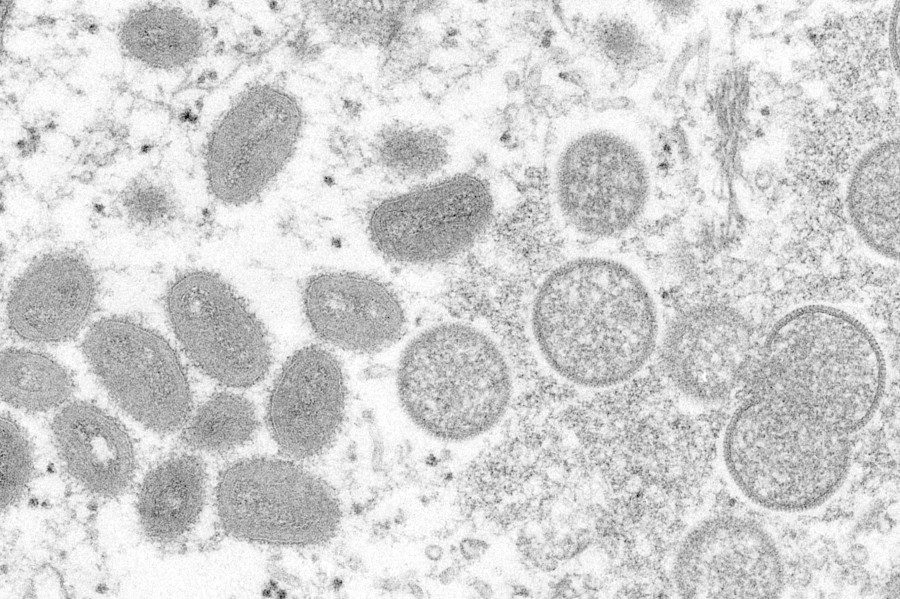
This 2003 electron microscope image made available by the Centers for Disease Control and Prevention shows mature, oval-shaped monkeypox virions, left, and spherical immature virions, right.

This 2003 electron microscope image made available by the Centers for Disease Control and Prevention shows mature, oval-shaped monkeypox virions, left, and spherical immature virions, right. Cynthia S. Goldsmith, Russell Regner / CDC via Associated Press


The amount of people waiting for a monkeypox vaccine outside Test Positive Aware Network in Edgewater on Monday quickly outnumbered the 100 doses the nonprofit had available.

Standing in the heat, people who learned they wouldn’t get a shot tried to help one another out by passing around phones to share social media posts and texts about where else they may be able to find a vaccine, said a local writer and artist who goes by the name Kal Jazeera, who called Howard Brown Health Center from the line to see if he could get an appointment.

TPAN CEO Kara Eastman said the nonprofit was prepared for high demand, but the level of turnout was “overwhelming.”

The frustrating scavenger hunt for a vaccine comes as monkeypox cases near 200 in Chicago. The rare disease that can lead to a rash is spread primarily through skin-to-skin contact or prolonged intimate contact like kissing, cuddling and sex. The virus began spreading internationally this year and has now been reported in most major U.S. cities. In Chicago, like elsewhere, “most, but not all” of the cases have been reported in gay and bisexual men, or other men who have sex with men, Dr. Allison Arwady said, but stressed that anyone can get monkeypox.

While the overall cases remain low compared to the COVID-19 outbreak, Dr. Anthony Fauci, the country’s top medical official, warned over the weekend that “we have to act like it will have the capability of spreading much more widely than it’s spreading right now.” In Chicago, vaccines have been made available to those most at risk of being exposed to the virus, but demand has far outpaced supply.

  • RELATED STORY

Chicago announced its first probable case of monkeypox — here’s what to know about the disease

read more

“The severity and the concern and urgency to get vaccinated has really come up very quickly, because it got close to home really fast,” Kal Jazeera said by phone Tuesday afternoon. “I currently know one person with monkeypox and I know about eight to 10 people who have been exposed.”

As of Tuesday, Chicago has received and distributed about 5,000 doses of the monkeypox vaccine, Jynneos, with approximately 15,000 more doses expected to start arriving as early as this week.

But Arwady, the city’s top doctor, acknowledged in a weekly Facebook Live event on Tuesday that even 15,000 doses isn’t enough.

“Many many more people would like to get this vaccine than we have available for,” she said. “As vaccine supply increases, I expect this will evolve and we will likely recommend it to more individuals.”

Here’s how the city is prioritizing who is able to get the two-dose vaccine at this time. It is not recommended for the general public, including men who have sex with men but don’t have other listed risk factors:

  • If you have had close physical contact or were intimate with someone who has been diagnosed with monkeypox.

  • If you are gay, bisexual or a man who has sex with men and have had sexual contact with other men in a social venue or otherwise have had multiple anonymous partners and therefore may not be able to adequately contact trace.

Arwady said the low number of vaccines available is, in part, because of the infrequency of monkeypox outbreaks in the United States.

“Because MPV is really rare, it’s not like there’s lots and lots of this vaccine just sitting on the shelf, your doctor does not just have it in their office, your pharmacist does not have it on the shelf,” she said, adding that the vaccines available have come from the Strategic National Stockpile maintained by the federal government in case of disease outbreaks.

Dr. Anu Hazra of Howard Brown Health Center said the nonprofit LGBTQ health care provider has been “inundated with calls” — hearing from as many as 200 people a day looking for testing or a vaccine.

“What concerns me is how can we tamp down transmission?” Hazra said. “A lot of us talked about how ‘COVID zero’ is sort of an impossible goal, but monkeypox zero should be very much possible. We have the tools to stop it.”

In addition to testing and vaccines, Hazra is recommending that people consider tightening their sexual networks. As a sexual health doctor, he said he will never tell people to stop having sex, but he said it’s important to think carefully about sexual interactions right now and to not have sex if you’re experiencing symptoms.

People diagnosed with monkeypox tend to experience flu-like symptoms, followed by a rash that can look like pimples or blisters. While there are no known deaths from the illness, for some the lesions can be quite painful, officials said.

“I worry about symptom and pain control with monkeypox,” Hazra said. “Just because it doesn’t have the same case fatality rate or whatnot as COVID-19 doesn’t make it any less important.”

While officials have learned a lot in the last two years about responding to public health crises, COVID has also put a strain on health care systems and has highlighted the ways bureaucracy can slow down response. As the monkeypox outbreak emerges amid the still-ongoing pandemic, it’s met by a system that has been highly tested.

“I feel like everyone is tired. I mean, the general public is tired. Health care workers are tired, public health officials are tired,” Hazra said. “So I think all of that also is in the background here.”

Chicago is not the only city where demand has outpaced supply. In New York, where there are more than 500 cases of monkeypox as of Tuesday, soaring demand for the vaccine caused the appointment system to crash.

The frustrations came as the federal government announced additional steps to respond to the outbreak, including providing more monkeypox vaccines and a goal to expand testing.

Anyone who thinks they may have been exposed to monkeypox or who is experiencing an unusual rash is urged to reach out to their health care provider. For those without a primary care doctor, Arwady said publicly people can call the Department of Public Health at 312-746-4835 to be connected to care. However, WBEZ called the number on two different occasions and both times, operators were unsure about directing questions about monkeypox.

TPAN will offer vaccines again next Monday afternoon. For those who plan to come out, Eastman, the CEO, said “be prepared to be patient, but we will make it as smooth as possible.”

The Associated Press contributed to this report.

Courtney Kueppers is a digital producer/reporter at WBEZ. Follow her @cmkueppers.