Wednesday, March 17, 2021


Long time Rockford priest now Bishop in controversy over J&J Vaccine

Rev. David Kagan
He was ordained priest on June 14, 1975 in the Diocese of Rockford. He served at the following assignments: parish vicar of Saint Patrick Parish in Dixon and teacher of religious education at Newman Central Catholic High School in Sterling (1975–1977); teacher of religious education at Boylan Catholic High School in Rockford, and vice-official of Diocesan Tribunal (1979–1984); judicial vicar (1984–1994); parish administrator of Saint Anne Parish in Warren and of Saint Joseph Parish at Apple River (1984–1985); chaplain at the Sisters of St Clare and parish vicar at St Peter's Cathedral in Rockford (1985–1986); pastor of Saint Mary Parish in Byron and teacher of ethics at Saint Anthony College of Nursing in Rockford (1986–1989); and pastor of the Proto-Cathedral of St James in Rockford (1990–1994).
He served as president of the Presbyterial Council, and editor of the Diocesan weekly paper. Kagan was admitted to the Equestrian Order of the Holy Sepulchre of Jerusalem as a Knight Commander in March 1995.[1] In 1994, Kagan was named Vicar General and Moderator of Curia, as well as Honorary Prelate. In 2011 he was promoted to Protonotary Apostolic.[1]
Episcopacy
Bishop of Bismarck
Kagan was named bishop of Bismarck on October 19, 2011, following the retirement of Bishop Zipfel
***********************************************************************************************************************************************************
FACEBOOK:
Bismarck Diocese March 3
MtSaepnrcho nhioaltnseh2 oat ruea5:u3ed5sctid PM ·
NOTICE regarding the Janssen/Johnson & Johnson COVID vaccine: The recently approved (FDA 2-27-2021) vaccine produced by Janssen/Johnson & Johnson used abortion-derived cell lines in the design, development, production and lab testing. This Janssen/Johnson & Johnson vaccine is morally compromised and therefore unacceptable for any Catholic physician or health care worker to dispense and for any Catholic to receive due to its direct connection to the intrinsically evil act of abortion. No one should use or receive this vaccine but there is no justification for any Catholic to do so. Two morally acceptable vaccines are available and may be used. As always, no one is bound to receive this vaccine, but it remains an individual and informed decision
******************************************************************************************************************************************************************
March 8
Diocese of Bismarck says Johnson & Johnson vaccine can be used if no other option is available

Diocese of Bismarck says Johnson & Johnson vaccine can be used if no other option is available(KFYR-TV)
By Hallie Brown
Published: Mar. 8, 2021 at 9:27 PM CST
<?XML:NAMESPACE PREFIX = "[default] http://www.w3.org/2000/svg" NS = "http://www.w3.org/2000/svg" />
BISMARCK, N.D. (KFYR) - The Johnson and Johnson COVID-19 vaccine is creating some tension at the intersection of science and faith.
This is because fetal cell lines were used to produce and manufacture the vaccine.
North Dakota has been allocated doses of all three vaccines but it’s the Johnson & Johnson vaccine that’s causing moral turmoil in for those of the Catholic faith.
Fr. Robert Shea with the Diocese of Bismarck released a statement saying it is possible to receive Johnson & Johnson COVID-19 vaccine in good conscience if given no other choice, but it should be avoided if there are alternatives available.
“The Catholic Church’s concern about the Johnson & Johnson vaccine is that it is morally compromised as a cell line from aborted fetal tissue was used in its development and production. As the U.S. Bishops’ statement on the J&J vaccine indicates, it is possible to receive it in good conscience if given no other choice, but it should be avoided if there are alternatives (like Pfizer or Moderna) available,” said Fr. Shea.
State Immunization Director Molly Howell says since vaccines amounts are limited it is difficult to offer choice for a vaccine.
“We’re currently not offering choice for providers as to which vaccine they can offer, and so it will be difficult and it may mean, I mean ultimately people can choose if they want to receive or not that’s their decision of course and they need to make that decision on their own,” said Howell.
According to a report from NBC News, Johnson & Johnson says there is no fetal tissue in its vaccine.
Above is from: https://www.kfyrtv.com/2021/03/09/diocese-of-bismarck-says-johnson-johnson-vaccine-can-be-used-if-no-other-option-is-available/
***************************************************************************************************************************************************************
Clarity for Catholics: It's OK to get Johnson & Johnson COVID-19 vaccine – if it's the only one available

Elizabeth Weise
Wed, March 17, 2021, 12:47 PM
Catholics might be somewhat confused by reports on differing messages about the acceptability of the Johnson & Johnson COVID-19 vaccine due to a cell line from an abortion being used in its production.
The differences have been resolved and Catholic teaching is clear: Catholics have a moral duty to protect themselves and others from COVID-19 by being vaccinated. However, if given the choice, they should avoid the Johnson & Johnson vaccine, according to the Vatican and the U.S. Conference of Catholic Bishops.
Should they choose not to be vaccinated, they have a moral obligation to mask, socially distance and "do their utmost" to avoid becoming infected or infecting others, the Vatican said.
Related video: Seniors celebrate vaccinations by hitting COVID-shaped piñata
0:21
.
The message was somewhat garbled when the Diocese of Bismarck in North Dakota issued a statement March 2 saying the Johnson & Johnson vaccine was "morally compromised and therefore unacceptable" to be given or received by Catholics.
"The local bishop is taking a harder stance than either the U.S. Council of Catholic Bishops or the Vatican," said Dr. G. Kevin Donovan, a Catholic bioethicist at the Pellegrino Center for Clinical Bioethics at Georgetown University Medical Center.
What does victory against the COVID-19 pandemic look like? USA TODAY's vaccine panel weighs in
A week ago, however, the Bismarck Diocese walked back its initial hard line.
"The Catholic Church’s concern about the Johnson & Johnson vaccine is that it is morally compromised as a cell line from aborted fetal tissue was used in its development and production," said Father Robert Shea, diocesan ethicist for health care. "As the U.S. Bishops’ statement on the Johnson & Johnson vaccine indicates, it is possible to receive it in good conscience if given no other choice, but it should be avoided if there are alternatives (like Pfizer or Moderna) available."
A December statement from the Vatican's Congregation for the Doctrine of the Faith made clear the overarching moral mandate is to be vaccinated or do the utmost possible to avoid passing along the virus.
When "ethically irreproachable" COVID-19 vaccines are not available, "it is morally acceptable to receive Covid-19 vaccines that have used cell lines from aborted fetuses in their research and production process," the statement said.
Neither the Pfizer or Moderna vaccines are entirely free from moral quandary as both used fetal cells from an abortion for early testing, though not in the actual production of the vaccine.
Pope Francis and Pope Emeritus Benedict XVI both received their first doses of the Pfizer vaccine on Jan. 13.
Catholics' duty is to protect "the common good," the Vatican statement said. The vaccines "can be used in good conscience with the certain knowledge that the use of such vaccines does not constitute formal cooperation with the abortion from which the cells used in production of the vaccines derive."
Father Tad Pacholczyk, director of education with the National Catholic Bioethics Center, notes Catholics have an obligation to voice their concerns, whichever vaccine they get.
"End users have a duty to push back and make known their disagreement with the continued use of these cells by researchers in the pharmaceutical industry and academia," he said.
That can include writing letters to the companies, posting on social media or writing letters to the editor, he said.
'It's easy to scare people': Europe's decision to pull AstraZeneca-Oxford vaccine threatens global COVID-19 recovery efforts, US experts say
It's certainly permissible for an individual to refuse a vaccine they find morally problematic, Donovan said. But they are then obligated to do whatever they can to reduce the risk of transmitting COVID-19 to themselves or others.
That would include masking, social distancing and hand-washing.
"That's something that shouldn't be missed," said Donovan. "We have a moral obligation to not only take care of our own health but to protect others whenever possible and by whatever reasonable means are available."
His statement echoed the Vatican, which said people who refuse vaccines produced using cell lines from aborted fetuses have a responsibility to protect others.
They must “do their utmost to avoid, by other prophylactic means and appropriate behavior, becoming vehicles for the transmission of the infectious agent.”
The issue is over the PER.C6 cell line, which came from retinal cells from an 18-week old fetus legally aborted 36 years ago in the Netherlands.
In the Johnson & Johnson vaccine, the cell line is used to help to create the vaccine but isn't actually in the vaccine, said Dr. Paul Offit, director of the Vaccine Education Center at Children's Hospital of Philadelphia.
"It's in the vat; it's not going into your arm," he said.
He added, "To wait for a vaccine from Pfizer or Moderna is a choice to take an unnecessary risk, one that could harm others."
This article originally appeared on USA TODAY: Johnson & Johnson COVID vaccine OK for Catholics, if it's the only one
******************************************************************************************************************************************************************
Some US bishops discourage Catholics from getting Johnson & Johnson vaccine if others are available
By Madeline Holcombe, Tina Burnside and Kay Jones, CNN
Updated 1:40 PM ET, Wed March 3, 2021
The US Conference of Catholic Bishops, as well as at least 6 other dioceses from across the country have released statements expressing "moral concerns" over the shot due to its use of lab-grown cells that descend from cells taken in the 1980s from the tissue of aborted fetuses.
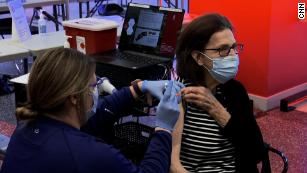
Johnson & Johnson Covid-19 vaccine given to first patients in Ohio
The vaccine is the third to be authorized for use in the United States. Unlike its predecessors -- from Pfizer/BioNTech and Moderna -- the Johnson & Johnson vaccine requires only one shot and can be kept at normal refrigerator temperatures, making it easy to transport.
Health experts have cautioned that Americans should get the vaccine they are offered.
Content by The Government of Japan
Intercultural community is at the heart of sustaining Japanese traditions
Intercultural exchanges are sustaining traditional Japanese culture in a period of increasing globalization.
"If people are offered the Johnson & Johnson vaccine, they shouldn't say, 'I don't want it,'" Dr. Paul Goepfert, director of the Alabama Vaccine Research Clinic, said last month. "We are not in a scenario where we can pick and choose vaccines."
Prior to the US emergency use authorization for the Johnson & Johnson vaccine, the doctrinal office for the Roman Catholic Church -- the Congregation for the Doctrine of the Faith -- said that "it is morally acceptable to receive Covid-19 vaccines that have used cell lines from aborted fetuses in their research and production process."
Experts are warning of a potential Covid-19 surge while several governors are loosening restrictions
The new statement from the Conference of Bishops is at odds with a note approved by Pope Francis, who received a vaccine in January. The December note said that "the use of such vaccines does not constitute formal cooperation with the abortion from which the cells used in production of the vaccines derive."
In a statement to CNN, Johnson & Johnson said: "We are proud to bring our COVID-19 vaccine to the world and to contribute to ending this pandemic. Our single-shot COVID-19 vaccine uses an inactivated non-infective adenovirus vector -- similar to a cold virus -- that codes for the coronavirus "spike" (S) protein, and there is no fetal tissue in the vaccine.

"We are able to manufacture hundreds of millions of doses using our engineered cell-line system and look forward to delivering those doses around the world and help meet the critical need."
The White House on Wednesday pushed back on the statement from the Conference of Bishops.
An administration official pointed CNN toward the Vatican statement from December, adding that the Biden administration is also "addressing hesitancy and working with local messengers on how to address that, including with religious leaders."
President Joe Biden is a practicing Catholic.
Making a vaccine with cells descended from fetal tissue
Vaccine makers sometimes use fetal cell lines when developing a vaccine.

'The impossible is not impossible': The push to make Covid-19 vaccines at record speed
Pfizer/BioNTech and Moderna used cell lines originating from fetal tissue to test their vaccines, whereas they were used in Johnson & Johnson's "development, confirmation and production,"according to Dr. James Lawler, an infectious disease expert at Nebraska Medicine.
Those cells are thousands of generations removed from the original fetal tissue, said Lawler.
Along with the use of cells, Johnson & Johnson's vaccine is made differently than the other two authorized vaccines.
The company developed an adenovirus vector vaccine, in which the adenovirus -- which has been modified to not cause illness -- carries genetic material with a coronavirus spike protein into a body so a person's cells can make the spike protein itself and activate their immune system against the virus, Lawler said.
Johnson & Johnson used the fetal cell line that it did because it is "a well-studied industry standard for safe and reliable production of viral vector vaccines," Lawler said.
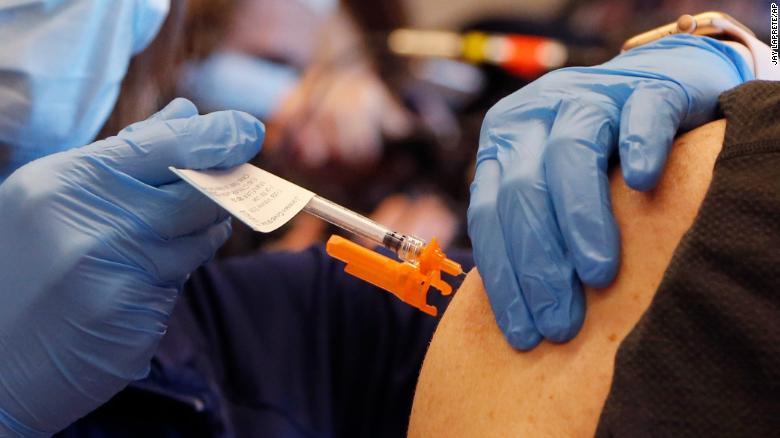
Ohio State University clinic manager Paige Blankenship, left, administers one of the first Johnson & Johnson Covid-19 vaccines on Tuesday.
What bishops are saying about the vaccine
But now, statements from US bishops are encouraging Catholics to opt to receive the Pfizer/BioNTec or Moderna option when possible.
The Archdiocese of New Orleans called the Johnson & Johnson vaccine "morally compromised" in a statement last week, and the dioceses of Baton Rouge, New Orleans and Burlington, Vermont, have released statements expressing concerns over the shot.
Bishop Michael Duca from the Baton Rouge Diocese released a statement that reads, "If for any reasonable circumstance you are only able to receive the vaccine from Johnson and Johnson, you should feel free to do so for your safety and for the common good."
The statement, which was echoed in Burlington, went on to say that the decision to receive the vaccine is between an individual conscience and their health care provider, but that "in no way does the Church's position diminish the wrongdoing of those who decided to use cell lines from abortions to make vaccines."
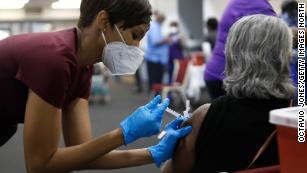
Which Covid-19 vaccine should I get? Dr. Wen weighs in
While Pfizer and Moderna vaccines should be chosen over Johnson and Johnson's where possible, the US Conference of Catholic Bishops said in a statement Tuesday it is "morally acceptable" to receive vaccines when "ethically irreproachable" options are not available.
"Given the world-wide suffering that this pandemic is causing, we affirm again that being vaccinated can be an act of charity that serves the common good," the statement said.
The statement was an update to one released in December that echoed the Vatican's statement, saying that Pfizer and Moderna vaccines were morally acceptable despite their "remote connection to morally compromised cell lines" due to the gravity of the pandemic.
What health experts are saying
Many health experts are encouraging those to whom the Johnson & Johnson vaccine is available to take it.
"My advice to all my patients and to all my friends will be to get the first vaccine you can get. That's what matters the most -- to get protected," said Dr. Jeff Carson, Provost at Rutgers Biomedical and Health Sciences of Rutgers University in New Jersey.
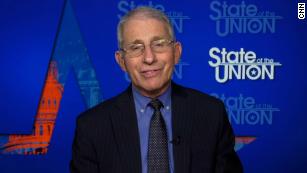
Fauci: 'I would take whatever vaccine would be available to me'
Dr. Anthony Fauci, the nation's top infectious disease expert who was raised Catholic, on Sunday urged Americans to take any of the three "highly efficacious" coronavirus vaccines now available to them and not delay getting one vaccine over another.
Americans generally haven't been offered a choice on which vaccine to get, although that may shift in some places as supply increases.
With the Moderna and Pfizer vaccines, some sites have been offering whatever vaccine they have the most of that day. The supply changes from week to week.
And though Pfizer and Moderna options boast an efficacy of about 95% compared to Johnson & Johnson's 72% in the US, experts say it is not the inferior option.
They say the Johnson & Johnson vaccine is an effective vaccine that offers good protection against severe forms of Covid-19. Anyone should take it if given the opportunity. The vaccine's efficacy goes up to 86% against severe forms of the illness.
"If we could prevent people completely from dying or getting hospitalized with Covid, we don't have a problem anymore," Goepfert said.
CNN's Dakin Andone and Jen Christensen contributed to this report.
Above is from: https://www.cnn.com/2021/03/03/health/bishops-catholics-johnson-and-johnson-vaccine/index.html
Edgar County Watchdog: Follow-up on legality of using government Facebook account for electioneering

FEATURE, POPLAR GROVE
Campaigning On Gov't Social Media Account Is Prohibited Political (Electioneering) Activity -
BY JOHN KRAFT & KIRK ALLEN
POPLAR GROVE, IL. (ECWd) -
After our article referencing Village of Poplar Grove President and Candidate Owen Costanza's electioneering on the village's official social media account, several people expressed their opinion that there is no law prohibiting campaigning on an official Facebook page, so it is not electioneering.
We disagree, and suggest, as the State Official and Employees Ethics Act ("Ethics Act") provides, that it is a Class A misdemeanor if found guilty in a Court.
An official social media account for a public body is public property, subject to the Freedom of Information Act, Local Records Act, Ethics Act, Illinois Constitution, and the protections found in the First Amendment to the United States Constitution.
Just as physical real estate (city hall) is public property, so are government vehicles, computers, telephones, fax machines, cell phones, email accounts , time at a government job,. . . and . . . official government webpages and social media accounts.
As with other public property, electioneering with public property is intentionally misappropriating government property [5 ILCS 430/5-15, et seq] by engaging in prohibited political activity for the benefit of a campaign for elective office.
Electioneering involves 15 specifically enumerated "prohibited political activities" as defined in the State Official and Employees Ethics Act, 5 ILCS 430/1-5, and for Poplar Grove, their own Municipal Ethics Ordinance adopts Section 15, and the Gift Ban portion of that Act.
Chapter 1-5 of the Ethics Act defines prohibited political activity, in part, as follows:
- (1) Preparing for, organizing, or participating in any political meeting, political rally, political demonstration, or other political event
- (7) Soliciting votes on behalf of a candidate for elective office...
- (11) Distributing, preparing for distribution, or mailing campaign literature, campaign signs, or other campaign material on behalf of any candidate for elective office...
- (12) Campaigning for any elective office...
While reading the Ethics Act, you might also want to consider the definition of "Prohibited Source" numbers (2), (3), and (4) which may likely apply to the social media posts in question.
Next comes Section 5-15 of the Ethics Act, which the Village of Poplar Grove has adopted in its Ordinance #2018-01, of April 18, 2018 (also listed as Chapter 11 in the Village's Code of Ordinances)
In Section 5-15, it states, in part, "Prohibited political activities.":
- (a) . . . shall not intentionally misappropriate any State (municipal) property or resources by engaging in any prohibited political activity for the benefit of any campaign for elective office . . .
The Illinois Attorney General has determined that Social Media account of public bodies are public record and subject to the Freedom of Information Act (here and here) as digital records have always been within the definition of a "public record."
The Secretary of State has applied the Local Records Act to social media posts and published its "Managing Social Media & the State and Local Records Acts: A Quick Guide for Social Media Policy and Management" - even including relevant legal cases on the last page. This also may encompass private/non government social media pages created and updated by a government actor.
Finally, there is the Illinois Constitution, Article VIII, Section 1, which states "Public funds, property or credit shall only be used for public purposes" - and there is no public purpose for campaigning for elective office using public property, no matter what form the public property takes. Constitutional violations can be used as a predicate for Official Misconduct charges (People v Howard, IL Supreme Court).
What are the penalties for violating Section 5-15 of the Ethics Act?
- Look no further than Section 50-5 of the Ethics Act:
- CRIMINAL: A person is guilty of a Class A misdemeanor if the person intentionally violated any provision of Section 5-15 . . .
- Also included in penalties are discipline or discharge
- Above is from: https://edgarcountywatchdogs.com/2021/03/campaigning-on-govt-social-media-account-is-prohibited-political-electioneering-activity/

Tuesday, March 16, 2021



March 16: Johns Hopkins COVID 19 Report



COVID-19
Updates on the COVID-19 pandemic from the Johns Hopkins Center for Health Security.
Additional resources are available on our website.
The Center also produces US Travel Industry and Retail Supply Chain Updates. You can access them here.
The Johns Hopkins University Bloomberg School of Public Health is laser-focused on initiatives to help manage—and ultimately end—the COVID-19 pandemic. Subscribe to Public Health Expert Insights to stay up to date on all the news and events.

EPI UPDATE The WHO COVID-19 Dashboard reports 119.8 million cases and 2.7 million deaths as of 5am EDT on March 16. Global weekly incidence increased for the second time in 3 weeks*, up to 3.0 million new cases. This represents a 10.4% increase over the previous week. Global weekly mortality continues to decline for the seventh consecutive week. Mortality fell to 59,031 deaths, a 3.33% decrease from the previous week.
*The weekly incidence last week remained essentially consistent with the previous week (-0.15% change).
Global Vaccination
The WHO reported 325.6 million vaccine doses administered globally, including 190.7 million individuals with at least 1 dose. The dashboard does not yet include daily or weekly vaccinations.
Our World in Data reports that 381.3 million vaccine doses have been administered globally, a 22% increase compared to this time last week. The daily average is approaching 10 million doses per day. The current average of 9.7 million doses per day is a 37% increase compared to a week ago. At least 133 countries and territories are reporting national vaccination data.
UNITED STATES
The US CDC reported 29.3 million cumulative cases and 532,355 deaths. After several weeks of steady decline, the national daily incidence appears to have leveled off to some degree. The current 7-day window includes March 8, when Missouri reported more than 81,000 previously unreported cases, so the current average is still artificially inflated. We expect the actual average is closer to 55,000 new cases per day. This would indicate that daily incidence is still decreasing, but more slowly than it was previously. Daily mortality continues to decrease steadily, down to 1,212 deaths per day—the lowest average since November 15, 2020.
US Vaccination
The US CDC surpassed 100 million SARS-CoV-2 vaccine doses administered on March 9. In total, the US has distributed 135.8 million doses of SARS-CoV-2 vaccines and administered 109.1 million doses nationwide. This includes 71.1 million people (21.4% of the entire US population; 27.5% of the adult population) who have received at least 1 dose of the vaccine, and 38.3 million (11.5%; 14.8%) who are fully vaccinated. Among adults aged 65 years and older, 64.1% have received at least 1 dose and 35.9% are fully vaccinated.
The US once again surpassed 2 million doses administered per day*, including 829,356 individuals fully vaccinated (i.e., second dose of a 2-dose vaccine or a single dose of a 1-dose vaccine). Broken down by manufacturer, both the Pfizer-BioNTech and Moderna vaccines surpassed 50 million cumulative doses, and the J&J-Janssen vaccine is approaching 1.5 million doses**.
*The US CDC does not provide a 7-day average for the most recent 5 days due to anticipated reporting delays for vaccine administration. This estimate is the most current value provided.
**As a 1-dose vaccine, all individuals receiving the J&J-Janssen vaccine are fully vaccinated.
As the US SARS-CoV-2 vaccination program continues to scale up, vaccination administration and coverage are becoming more even between states. Currently, the median state-level doses delivered is 41,289 doses per 100,000 population, and most states are within approximately 5% of that total. In terms of doses administered, the median state-level total is 34,066 doses per 100,000 population. The variation is only slightly larger for administered doses, with most states falling within 7-8% of that total.
With respect to distributed doses, only Utah (35,715) has received less than 90% of the median value. With respect to doses administered, only Alabama (26,644), Georgia (26,278), and Tennessee (28,589) are reporting less than 85% of the median. Notably, South Dakota and Alaska have received 26.1% and 56.4% more than the median value, respectively. Both states are also among the top 3 in terms of doses administered, with Alaska at #1 (35.3% more than the mean), New Mexico at #2 (+33.4%), and South Dakota (+25.6%). Similarly, the median proportion of doses administered—i.e., out of the number of doses received—is 82.4%, and most states fall between 78.5-85.9%. In total, 5 states have administered more than 90% of their received doses, including Washington state at #1 with 94.3%. At the other end of the spectrum, Alabama (68.1%) is the only state to administer fewer than 70% of its doses.
Looking at actual vaccination coverage (i.e., the proportion of the population that has been vaccinated), most states are within 6-8% of the median values. With respect to individuals who have received at least 1 dose of the vaccine, the median coverage is 22.2% of the total state population. Most states fall between approximately 20.5-24%. Eight states are reporting greater than 25% coverage for at least 1 dose, including New Mexico (29.3%), Alaska (28.1%), and South Dakota (27.6%). Ten states are reporting less than 20% coverage, including Tennessee (18.5%), Alabama (17.4%), and Georgia (15.9%). Trends in full vaccination coverage are fairly similar. The median coverage is 12.3%, and most states fall between approximately 11.25% and 13%. Alaska (18.1%), New Mexico (16.9%), and South Dakota (15.6%) are the only 3 states reporting full vaccination coverage greater than 15%, and Texas (9.9%), Tennessee (9.8%), Georgia (9.8%), and Utah (8.3%) are the only states reporting less than 10% coverage.
With respect to older adults, states are reporting wider variation in terms of vaccination coverage. Looking specifically at full vaccination for adults aged 65 years and older, the median coverage is 36.3%, and most states fall between approximately 32.5-41.5%. At the upper end, 2 states have fully vaccinated more than half of their older adult population: Alaska (55.6%) and Indiana (50.1%). At the other end of the spectrum, Oregon (21.8%) and Rhode Island (21.4%) are the only 2 states that have fully vaccinated less than a quarter of their older adult population.
ASTRAZENECA-OXFORD VACCINE & BLOOD CLOTTING Multiple countries in Europe—including Germany, Italy, France, Spain, the Netherlands, Norway, Iceland, Ireland, Denmark, Bulgaria, Sweden, and Latvia—have temporarily suspended use of the AstraZeneca-Oxford SARS-CoV-2 vaccine due to reports of blood clots occurring in a small number of vaccinated individuals. The suspensions are creating additional challenges for vaccination campaigns across Europe, as the region faces a third surge. AstraZeneca has reported 15 events of deep vein thrombosis and 22 events of pulmonary embolism in vaccinated individuals as of March 8.
The European Medicines Agency (EMA) and the WHO will meet today to review data on the vaccine and blood clotting. The EMA then plans to hold a meeting on March 18 to discuss the findings of their investigation and announce any resulting recommendations. A WHO spokesperson noted the agency thus far has not received reports of blood clotting events outside of Europe. In a press release on March 14, AstraZeneca said a review of data from 17 million vaccine recipients in Europe and the UK demonstrated “no evidence of an increased risk of pulmonary embolism, deep vein thrombosis (DVT) or thrombocytopenia, in any defined age group, gender, batch or in any particular country.” As the EMA and the WHO investigate the reports, the agencies continue to advise there is no evidence the AstraZeneca-Oxford vaccine has caused the blood clotting events and that the benefits of the vaccine outweigh the potential risks of adverse events.
GLOBAL VACCINE ACCESS & PRODUCTION US President Joe Biden is under increasing pressure to share the nation’s SARS-CoV-2 vaccine supply with other countries. On Friday, President Biden met virtually with the leaders of Japan, India, and Australia—members of the Quadrilateral Security Dialogue, an alliance to address mutual concerns about China—and agreed to work together to increase production of SARS-CoV-2 vaccines in India to bolster the Indo-Pacific region’s supply. The summit committed to supplying at least 1 billion vaccine doses to the region by the end of 2022. Though not the focus of the agreement, the leaders hope these efforts will challenge China’s growing influence in the region and other parts of the world, as China’s ability to produce millions of vaccine doses and ship them to low- and middle-income countries has offered it advantages in terms of strengthening diplomatic and economic relations.
ITALY LOCKDOWN Italy is reinstating lockdown measures in order to curb Europe’s potential third wave of COVID-19. The measures came into effect on March 15 and are set to last through April 6, spanning the upcoming Easter holiday weekend. Unlike previous national lockdowns, not all areas of the country will be subject to the same measures, based on their risk level. Italy’s regions are broken down into 4 levels—red, orange, yellow, and white—with red being the highest level of risk and white being the lowest level of risk. Red zone regions will be subject to the most restrictive lockdown measures, including stay-at-home orders (except for essential work or shopping), closure of non-essential businesses, and suspension of indoor and outdoor activities. Additionally, Italy is strengthening measures in yellow and orange zones to include restrictions previously designated for the next higher level.
Approximately half of Italy’s regions are currently in the red zone, including Rome, Milan, and Venice. The risk classifications are subject to regular review, but areas with more than 250 weekly cases per 100,000 population will be classified automatically as a red zone. Additionally, all regions will be subject to red zone measures over the Easter weekend, April 3-5, in order to limit travel and family gatherings during the holiday. The nationwide mask mandate remains in effect, as well as a national curfew from 10pm-5am.
Italy is not the only European country attempting to stave off a third wave. Germany’s daily incidence appears to be rising, and hospitals in Hungary are mobilizing surge capacity to combat a COVID-19 patient surge.
COMBATING VACCINE HESITANCY As we have covered previously, vaccine hesitancy remains a major challenge during the COVID-19 pandemic. Existing hesitancy toward routine immunizations is compounded by skepticism regarding the pace of research, development, and testing for the novel SARS-CoV-2 vaccines as well as apathy and concerns regarding inequitable access. In an effort to combat vaccine hesitancy in the US, the White House is reportedly implementing a nationwide public relations campaign with the hope of influencing both those who are opposed to SARS-CoV-2 vaccination and those who remain uncertain whether they should get vaccinated.
According to a report by STAT News, the US$1.5 billion effort will target younger individuals, who may not view themselves as being at risk for COVID-19; racial and ethnic minorities, who may face barriers to accessing the vaccine and mistrust of government; and those on the conservative end of the political spectrum, who may not view COVID-19 as a threat or may oppose the Biden Administration on political grounds. While the program will be initiated at the federal level, the plan includes a significant focus on supporting local community outreach efforts. And while much of the initiative’s funding comes from the most recent COVID-19 funding package, the White House already has pledged an additional US$500 million from other sources for education and outreach programs, including those aimed at racial and ethnic minorities and other underserved communities.
FACEBOOK VACCINE ACCESS & VACCINE HESITANCY Beyond outreach and education efforts by national, state, and local governments and community organizations, social media platforms also are beginning to recognize their role in combating vaccine hesitancy. On March 15, Facebook announced plans for a global campaign to support SARS-CoV-2 vaccination. The company will now add labels and links to official information (eg, from the WHO) on Facebook and Instagram posts discussing SARS-CoV-2 vaccination. In addition to providing updated, factual information about the vaccines, Facebook’s Covid Information Center will add a tool to help individuals schedule vaccination appointments. Facebook also is partnering with national governments to support communication efforts via WhatsApp, including official notifications to inform individuals they are eligible to schedule vaccination appointments.
Facebook is also conducting internal research on the spread of vaccine hesitancy and misinformation via its various social media platforms. The research includes an examination of both vaccine hesitancy-related content as well as the social networks through which misinformation spreads. Preliminary analysis found that only a small portion of the users and networks on Facebook platforms engage in the majority of vaccine hesitancy content. In fact, 10 of 638 “population segments” analyzed contained half of all vaccine hesitancy content, and in the most prominent segment, only 111 users were responsible for half of the vaccine hesitancy content—out of more than 3 billion users worldwide. In partnership with Carnegie Mellon University and the University of Maryland, Facebook is providing data and analysis of SARS-CoV-2 vaccine hesitancy trends that can support government efforts to implement effective outreach campaigns.
J&J-JANSSEN VACCINE WHO EMERGENCY USE LISTING On March 12, the WHO issued an emergency use listing for the J&J-Janssen SARS-CoV-2 vaccine. The WHO made the designation only one day after the European Commission authorized the vaccine, with WHO and outside evaluators using an “abbreviated assessment” based on the review by the European Medicines Agency (EMA). In addition to the EMA review, the WHO considered quality, safety, and efficacy data and suitability requirements for low- and middle-income countries, including cold chain storage and risk management plans. The J&J-Janssen vaccine is the first single-dose vaccine to receive emergency use listing by the WHO, which should help facilitate vaccination campaigns in many countries, according to the agency. The WHO also has listed the Pfizer-BioNTech and AstraZeneca-Oxford vaccines for emergency use.
US SECOND-DOSE VACCINATION COVERAGE Researchers from the US CDC COVID-19 Response Team published findings from a study on the proportion of vaccinees who received their first dose of a SARS-CoV-2 vaccine that went on to receive their second dose. The study, published in the US CDC’s MMWR, included 2 analyses based on data from more than 40.5 million first doses of the Pfizer-BioNTech and Moderna vaccines administered December 14, 2020-February 14, 2021. Current guidance recommends that Pfizer-BioNTech vaccine recipients receive their second dose 21 days after their first dose and that Moderna recipients receive their second dose 28 days after their first dose. However, individuals may receive their second dose up to 42 days after their first dose for either vaccine, if a delay is unavoidable. Among vaccinees who received their first dose, 88% received the second dose within the recommended timeframe, and 8.6% had not received the second dose but had not yet reached Day 42. Among all individuals who received both doses, 95.6% completed the vaccination series within the allowable time.
The researchers noted differences among jurisdictions and demographic groups and recommended that public health officials identify and address challenges to receiving a second dose to ensure equitable distribution. Some of their recommendations include scheduling an appointment for a second dose at the time of first-dose administration, rescheduling any cancelled vaccination clinics, and sending appointment reminders to first-dose recipients.
US CDC CHILDCARE GUIDANCE Following its issuance of updated COVID-19 guidance for schools, the US CDC published revised recommendations for childcare programs. The new guidance, published on March 12, includes updates regarding mask use for younger children, cohorting and staggering children’s schedules, communal spaces and playgrounds, and ventilation. The guidance is intended for a broad range of childcare settings, including dedicated childcare facilities, pre-kindergarten and Head Start programs, and home-based services, and it includes specific guidance for children with disabilities or special needs as well as individuals, including staff, at elevated risk for severe disease and death. In addition to the guidance itself, the CDC discusses evolving evidence regarding SARS-CoV-2 transmission risk in childcare settings and COVID-19 disease risk in children.
The new guidance increases the emphasis on mask use by all children 2 years and older, except when eating or sleeping, and reinforces consistent and proper use by children. The new guidance reiterates that mask use should be used in combination with proper physical distancing, not as a substitution. The guidance also discusses vaccination for childcare staff, noting that childcare workers are covered in the federal Phase 1b vaccination priority group guidance as essential workers as well as the recent Department of Health and Human Services directive to states to expand eligibility to educators. The guidance also reiterates that COVID-19 risk mitigation measures need to remain in place even after childcare personnel are vaccinated.
COMMUNIVAX WEBINAR The Johns Hopkins Center for Health Security is hosting a webinar as part of the CommuniVax initiative to discuss recommendations from its first report on engaging communities of color to promote equity in SARS-CoV-2 vaccination. The webinar will include presentations by Dr. Monica Schoch-Spana from the Johns Hopkins Center for Health Security, Lois Privor-Dumm from the Johns Hopkins International Vaccine Access Center, Dr. Stephen B. Thomas from the Maryland Center for Health Equity, and Ysabel Duron from The Latino Cancer Institute, with Dr. Emily Brunson from Texas State University as moderator. The webinar will be held on Thursday, March 18 at 2pm EDT. Advance registration is required.