Friday, March 19, 2021

March 19: Johns Hopkins COVID 19 Report


COVID-19


The Center also produces US Travel Industry and Retail Supply Chain Updates. You can access them here.

The Johns Hopkins University Bloomberg School of Public Health is laser-focused on initiatives to help manage—and ultimately end—the COVID-19 pandemic. Subscribe to Public Health Expert Insights to stay up to date on all the news and events.

EPI UPDATE The WHO COVID-19 Dashboard reports 121.5 million cases and 2.7 million deaths as of 11am EDT on March 19.

Many countries in central and eastern Europe are exhibiting what could be the early signs of a “third wave” of COVID-19. Looking at the relative change in daily incidence, most European countries were still combating the autumn 2020 surge in November 2020 and then turned a corner in December 2020 and January 2021. By late February/early March 2021, however, incidence in many European countries began to increase again. Unlike the period between Europe’s first and second waves—during which many European countries maintained low levels of transmission over a period of months—the most recent decline barely fell below half of the autumn 2020 peak, and only briefly, before increasing again.

Not all European countries are exhibiting increasing daily incidence, but many are. A number of countries that are experiencing a surge exhibit a similar epidemic trajectory. These countries tend to peak between early November and early December, followed by a steady decline into 2021 and then a surge beginning in early-to-mid February 2021. A number of European countries exhibit this trend, including Austria, Bosnia and Herzegovina, Bulgaria, Greece, North Macedonia, Romania, Serbia, and Ukraine. In some of these instances, the current surge is quickly approaching the peak of the autumn 2020 surge, which accounted for the most severe portion of the pandemic in many European countries.

In terms of total daily incidence, a number of larger European countries stand out. France’s daily incidence has steadily increased since it came down from its autumn 2020 surge in early December 2020, while the surges in other countries started closer to mid-February 2021. In Hungary, for example, the daily incidence increased from approximately 1,500 new cases per day in mid-February to more than 7,700, an increase of more than 400%. In Poland, the daily incidence has more than tripled since mid-February, up from approximately 5,400 new cases per day on February 13 to more than 17,000 (and still increasing steadily). Italy’s daily incidence nearly doubled over the past month, although it appears to be tapering off to some degree.

Looking at the per capita daily incidence, it is evident that smaller countries are facing similar surges. Estonia never really came down from its autumn/winter 2020 surge. Rather, it plateaued in late December 2020 and then surged again starting in early February. At its low in October 2020, Estonia reported 28 new cases per day, which increased to approximately 600 in late 2020/early 2021 and then increased again to more than 1,400 new cases per day currently. Czechia is battling its third COVID-19 spike since October, the most recent of which started in early-to-mid February. Each spike peaked at approximately 12-13,000 new cases per day, and the current spike appears to be starting to decline.

At this point, the major drivers of the ongoing surge remain uncertain. It is likely a combination of a number of factors, including geographic and community spread of emerging variants that exhibit increased transmissibility, and increased social interaction due to relaxing COVID-19 restrictions that were put into place following the autumn 2020 surge. European countries continue to scale up vaccination efforts, but many experts and government officials have noted the slow distribution process across the continent, which is negatively impacting governments’ ability to increase vaccination coverage. At this point, it appears that many European countries have not yet achieved sufficient vaccination coverage to begin containing their respective epidemics, and it will be critical to both increase vaccine supply and vaccination capacity and maintain necessary protective measures over the coming months, particularly as many European countries look ahead to the summer tourist season.

Global Vaccination

The WHO reported 364.2 million vaccine doses administered globally, including 207.8 million individuals with at least 1 dose. The dashboard does not yet include daily or weekly vaccinations.

Our World in Data reports that 409.8 million vaccine doses have been administered globally, a 21% increase compared to this time last week. The daily average surpassed 10 million doses per day. The current average of 10.3 million doses per day is a 40% increase compared to a week ago. At least 143 countries and territories are reporting national vaccination data.

UNITED STATES

The US CDC reported 29.4 million cumulative cases and 535,217 deaths. Daily incidence continues to level off, although it may still be decreasing slowly. After falling from nearly 250,000 new cases per day to fewer than 64,000 between January 11 and February 22, the national average has decreased just 9,998 new cases per day since then. The current daily decline of 435 fewer new cases per day since February 22 is approximately one-tenth of what it was previously (4,420 fewer new cases per day). Daily mortality continues to decrease as well, but it may have passed an inflection point and appears to be starting to taper off slightly. On March 16, the average daily mortality fell below the peak of the summer 2020 surge.

US Vaccination

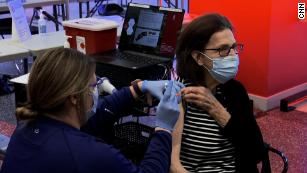
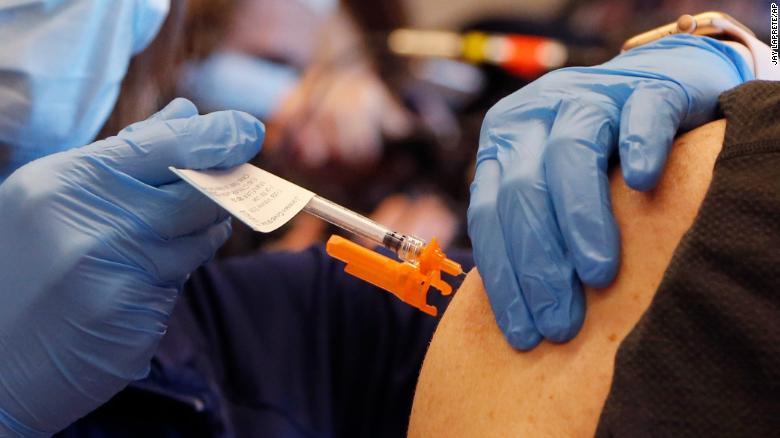
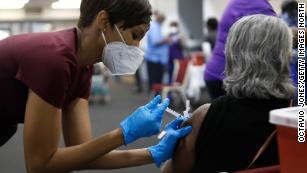
The US CDC reported 151.1 million SARS-CoV-2 vaccine doses distributed and 115.7 million doses administered. This includes 75.5 million people (22.7% of the entire US population; 29.2% of the adult population) who have received at least 1 dose of the vaccine, and 41.0 million (12.3%; 15.9%) who are fully vaccinated. Among adults aged 65 years and older, nearly two-thirds (66.3%) have received at least 1 dose and 38.6% are fully vaccinated.

The average doses administered* appears to be leveling off at approximately 2.2 million doses per day, including 902,781 individuals fully vaccinated (ie, second dose of a 2-dose vaccine or a single dose of a 1-dose vaccine). In terms of full vaccination, 20.5 million individuals have received the Pfizer-BioNTech vaccine, 19.4 million have received the Moderna vaccine, and 2.0 million have received the J&J-Janssen vaccine.

*The US CDC does not provide a 7-day average for the most recent 5 days due to anticipated reporting delays for vaccine administration. This estimate is the most current value provided.

A total of 7.6 million doses have been administered at long-term care facilities (LTCFs)**, including residents and staff. This covers 4.8 million individuals with at least 1 dose and 2.8 million with 2 doses. Vaccination progress at LTCFs has slowed considerably, as the available vaccine supply is shifting toward lower-tier priority groups and the broader public.

**The dashboard only includes data for doses administered through the Federal Pharmacy Partnership for Long-Term Care (LTC) Program. It does not report data from West Virginia, which opted out of the program.

The Johns Hopkins Coronavirus Resource Center is reporting 29.7 million cumulative cases and 539,868 deaths as of 12:30pm EDT on March 19.

ASTRAZENECA-OXFORD VACCINE IN EUROPE After a number of countries paused vaccination efforts using the AstraZeneca-Oxford SARS-CoV-2 vaccine, health experts raised concerns that these decisions were not consistent with the available scientific evidence. While countries in Europe were the first to suspend their vaccinations, some countries in Africa reportedly took similar measures. Following reports of several instances of blood clotting conditions in recently vaccinated individuals, the European Medicines Agency (EMA) initiated a study of the available evidence to assess any safety issues with the vaccine.

On March 18, the EMA issued a statement regarding its preliminary findings. The analysis found no association between the vaccine and increased risk of blood clots (thromboembolic events), and there was no evidence that the clotting events were associated with a specific batch of the vaccine. The EMA did identify a potential association between the vaccine and “very rare cases of blood clots associated with thrombocytopenia, i.e. low levels of blood platelets...including rare cases of clots in the vessels draining blood from the brain (CVST),” but further analysis is needed. The EMA reviewed data from 7 cases of individuals with multiple blood clots and 18 cases of CVST out of approximately 20 million vaccinated individuals. It emphasized that COVID-19, itself, is associated with potentially fatal blood clotting conditions and that the benefits of vaccination outweigh the risk of adverse events.

The WHO also issued a statement on the vaccine, emphasizing that the vaccine “will not reduce illness or deaths from other causes” and that thromboembolic events “occur frequently.” Following its own analysis, Africa CDC issued a recommendation that all African Union countries continue vaccination efforts using the AstraZeneca-Oxford vaccine. At least a dozen European countries have reportedly resumed use of the vaccine this week. But even as countries resume use of the vaccine, health experts are concerned “the damage is done” and that decisions to suspend the use of the vaccine will have lasting effects on public confidence in the vaccine.

While other countries were curtailing their use of the AstraZeneca-Oxford vaccine, Canada announced it is expanding its use in older adults. Previously, Canada’s National Advisory Committee on Immunization (NACI) did not recommend the vaccine for adults over the age of 65 due to insufficient evidence, but it issued the update based on real-world data from ongoing vaccination efforts.

US LOANS ASTRAZENECA-OXFORD VACCINE The US government is finalizing plans to ship millions of doses of its available AstraZeneca-Oxford SARS-CoV-2 vaccine supply to Mexico and Canada. During a March 18 press conference, White House Press Secretary Jen Psaki said the US has 7 million available doses and plans to send 2.5 million doses to Mexico and 1.5 million doses to Canada. She noted that the shipments would amount to a loan, with the US expected to receive doses of the same or a different vaccine in the future, and that the US government’s first priority remains vaccinating the US population. The US has faced increasing pressure to share its supply of vaccines with other countries, particularly the AstraZeneca-Oxford vaccine, which is not yet authorized for use in the US. Ms. Psaki said the White House continues to engage in conversations regarding requests from other countries, but providing the vaccine to US neighbors to the north and south is in the country’s best interest. The plan could be finalized as soon as today.

GLOBAL VACCINE PRODUCTION On March 17, a group of Democratic members of the US House of Representatives urged President Joe Biden to support an emergency temporary waiver of some World Trade Organization (WTO) Trade-Related Aspects of Intellectual Property Rights (TRIPS) rules, which they argue would increase global production of vaccines, treatments, and diagnostic tests for SARS-CoV-2. At issue is a joint India-South Africa proposal to the WTO TRIPS Council that would provide a temporary intellectual property waiver for equipment, drugs, and vaccines related to the COVID-19 pandemic. While the proposal is supported by more than 50 low- and middle-income countries (LMICs), Western nations have blocked the proposal 8 times, the latest on March 10. Proposals need a consensus of at least 164 countries to pass. The TRIPS Council is scheduled to meet again June 8-9, when the proposal could be addressed again.

Though the idea to issue intellectual property waivers seems simple and is supported by multiple international organizations—including Oxfam, Médecins Sans Frontières (MSF), and the WHO—some experts and pharmaceutical companies argue the benefits of the move are not clear-cut. The Pharmaceutical Research and Manufacturers of America (PhRMA) says there is no evidence that waivers would increase vaccine production or access. In fact, some experts believe waiving intellectual property rights could backfire and cause some companies to disengage from global access efforts. Instead, some experts suggest that voluntary licensing agreements, under which vaccine developers can enter into manufacturing contracts with generic producers, could be a solution. They emphasize that cooperation and smart incentives, and not the elimination of intellectual property rights, is the best route to increasing production and access to COVID-19 medical products.

MODERNA VACCINE CLINICAL TRIALS Moderna announced that it administered the first doses of its SARS-CoV-2 vaccine to pediatric participants in a Phase 2/3 clinical trial. The study will include 6,750 children aged 6 months to less than 12 years enrolled at sites in the US and Canada. The study will begin by evaluating multiple vaccine doses, including 3 different doses (25μg, 50μg, and 100μg) in children under 2 years old and 2 different doses (50μg or 100μg) for children 2 years and older. Interim analysis will determine which doses will be used in the larger study.

Moderna also announced it commenced a Phase 1 clinical trial for its “next generation” SARS-CoV-2 vaccine. The new vaccine candidate utilizes an mRNA platform, like Moderna’s existing vaccine, but it aims to be stable at normal refrigerator temperatures rather than freezer temperatures like the current vaccine. Moderna intends to conduct future clinical trials to evaluate the new candidate’s efficacy as both a standalone vaccine and as a booster for its existing vaccine. Moderna also started a Phase 2 clinical trial of a modified version of its existing vaccine that aims to serve as a booster dose to increase efficacy against the B.1.351 variant. The trial includes 3 arms testing multiple formulations of the new candidate, including 20 µg and 50 µg doses of the variant-specific booster candidate and a multivalent booster candidate, which contains mRNA for “ancestral strains” and the B.1.351 variant.

VACCINE EFFICACY ON EMERGING VARIANTS Researchers in South Africa—in collaboration with researchers in the UK, including from AstraZeneca and the University of Oxford—published findings from a study of the AstraZeneca-Oxford vaccine’s efficacy against the B.1.351 variant. The study, published in The New England Journal of Medicine (NEJM), was a randomized, placebo-controlled clinical trial, and it included nearly 1,500 participants aged 18-65 years who had not been previously infected in the primary analysis. The study enrolled participants from June-November 2020.

The vaccine exhibited an overall efficacy of 21.9% against any COVID-19 disease, with 19 cases among 750 vaccinees compared to 23 cases among 717 participants in the control group; however, the efficacy results did not demonstrate a statistically significant benefit. There were no cases of severe disease or death in either group. Of 41 cases with sequencing data available, 39 (95.1%) were caused by the B.1.351 variant, suggesting the vaccine efficacy against this variant to be 10.4%, but again, the results did not demonstrate a statistically significant level of protection. In contrast, the researchers also looked at data from before the B.1.351 variant was widespread in South Africa. Using cases detected on October 31, 2020 or earlier as a “proxy for non-B.1.351 variant” infection, they estimated an efficacy of 75.4%.

While further analysis is needed to more fully characterize the efficacy of all available vaccines against emerging variants, this study provides further evidence that variants of concern (VOCs), like B.1.351, could pose significant challenges in terms of containing COVID-19 through vaccination. Efforts are ongoing to update the AstraZeneca-Oxford and other vaccines to provide better protection against emerging variants.

EMERGING VARIANTS On March 16, the US CDC updated its information on emerging SARS-CoV-2 variants. The CDC introduced classifications for emerging variants: Variants of Interest, Variants of Concern, Variants of High Consequence. Variants of Interest have “genetic markers” that could potentially affect transmissibility, disease severity, or susceptibility to vaccines or therapeutics, whereas Variants of Concern include those for which there is existing evidence of increased transmissibility, disease severity, or reduced susceptibility. Variants of High Consequence are limited to variants with clear evidence of reduced effectiveness for risk mitigation measures or medical countermeasures (MCMs). The CDC has classified 3 variants—B.1.526, B.1.525, and P.2—as Variants of Interest and 5 variants—B.1.1.7, P.1, B.1.531, B.1.427, and B.1.429—as Variants of Concern. Notably, the previous CDC guidance, prior to its tiered classification system, included only B.1.1.7, P.1, and B.1.351 as Variants of Concern, and the 2 new additions are variants that were first identified in California. There are currently no Variants of High Consequence.

Two recently published studies found evidence of increased mortality linked to the B.1.1.7 variant. The first study, published in Nature, included data from 2.2 million positive SARS-CoV-2 tests in England from November 2020 to February 2021, including nearly 17,500 deaths. The researchers estimate an increase in mortality of approximately 60% associated with the B.1.1.7 variant (adjusted hazard ratio=1.61). The second study, published in The BMJ, matched nearly 55,000 pairs of participants in the UK to compare the mortality of the B.1.1.7 variant against others. The researchers paired participants based on the ability of the TaqPath diagnostic assay to detect the spike protein gene as a proxy for B.1.1.7 infection to ensure each pair included one and only one B.1.1.7 infection. These researchers also estimated an increase in mortality of approximately 60% associated with the B.1.1.7 variant (adjusted hazard ratio=1.64). The researchers note that this change represents an increase in deaths from 2.5 to 4.1 per 1,000 detected cases.

INTERNATIONAL TRAVEL GUIDANCE On March 18, WHO officials announced they are working on the development of a “smart vaccination certificate” for people who have received a SARS-CoV-2 vaccine. WHO Regional Director for Europe Dr. Hans Kluge emphasized that this effort is simply a method of documenting vaccination status and not a “vaccine passport.” The vaccination certificate should not be mandatory for international travel. There still remains a global shortage of vaccines, which would put travelers from some countries at a disadvantage if it were mandatory, and the duration of vaccine-induced immunity is still highly uncertain, which poses a technical barrier for a mandatory vaccine passport. In a WHO webinar on international travel during the COVID-19 pandemic, a representative of the WHO Smart Vaccination Certificate Working Group said the group intends to solicit public comment to inform its discussions starting today.

The WHO’s distinction on vaccine certificates versus passports came one day after the European Commission (EC) proposed delivering free “Digital Green Certificates” that would allow EU residents to travel freely within the bloc. The certificates would be made available to those who have been vaccinated as well as those who test negative for the virus or have recovered from natural infection. Some countries have expressed opposition to the plan, considering many individuals have not yet been able to access the vaccine, but the EC noted that vaccination would not be mandatory for EU citizens to travel between EU countries. The plan is set to be discussed next week at a summit of EU leaders. A WHO official noted the agency is looking into the details of the EC plan.

In the US, Senior Advisor for the White House COVID Response Team, Andy Slavitt, suggested that the government should not be involved in verifying individuals’ vaccination status nor in issuing certification. Though Americans will need a way to document vaccination, Slavitt indicated that the process should be private, secure, free, available digitally and on paper, and available in multiple languages.

GLOBAL COVID-19 MORTALITY Analysis published by Think Global Health puts global COVID-19 mortality in the context of other major causes of death. To date, the WHO has reported more than 2.6 million cumulative COVID-19 deaths worldwide, including 1.8 million in 2020. Since the onset of the pandemic, COVID-19 has accounted for 4.4% of all reported deaths globally, making it the fourth leading cause of death over that period, following ischemic heart disease (15.5%), stroke (11.1%), and chronic obstructive pulmonary disease (COPD; 5.6%). Notably, COVID-19 was the leading cause of death in some parts of the world, including nationally in France, Mexico, Spain, and the UK as well as half of the countries in South America and some US states. The proportion of deaths due to COVID-19 varies widely by region. Not surprisingly, the Americas, led by the US and Brazil, has the highest proportion of deaths due to COVID-19 (13.0%), followed by Europe (9.3%). The Eastern Mediterranean region (3.0%), Southeast Asia (2.3%), Africa (0.8%), and the Western Pacific region (0.2%) are all below the global average. Notably, COVID-19 was outside of the top 50 or top 100 causes of death in most countries in Africa, south and southeast Asia, and Oceania. Overall, COVID-19 was the 24th leading cause of death in Africa.

US VACCINE ELIGIBILITY AND ACCESS Due to variability across US states in both demographics and vaccine allocation strategy, some states are beginning to move into different phases of their SARS-CoV-2 vaccine rollout. Earlier this week, Mississippi joined Alaska as the second state to open COVID-19 vaccination to all adults ages 16 and older, having reached target thresholds for higher priority groups. US President Joe Biden has called for all states to open vaccination to all adult residents by May 1, as vaccine supply and administration continue to ramp up. Some states, like Ohio, Indiana, and Wisconsin, are opening their vaccination eligibility to larger groups of adults, with specific requirements varying among states. Other states are announcing wider eligibility standards for the coming weeks or months.

Despite these promising announcements, challenges persist around availability of appointments and equitable vaccine access. In a report published in the US CDC’s MMWR, the US CDC COVID-19 Response Team examined county-level vaccination coverage based on the CDC’s Social Vulnerability Index (SVI) score, which uses 15 socioeconomic, demographic, and other indicators “to help local officials identify communities that may need support before, during, or after disasters.” The researchers found that SARS-CoV-2 vaccination coverage was lower in high vulnerability counties than in low vulnerability counties, with an overall difference of 1.94 percentage points. The largest coverage disparities were associated with socioeconomic disparities, with vaccination coverage 2.5 percentage points higher in low vulnerability counties than high vulnerability counties. The researchers called for increased attention to achieving equity in vaccine administration.

At a more granular level, advocates continue to question why incarcerated individuals are lower on the priority list for SARS-CoV-2 vaccination. Some argue that prisons should be considered as long-term care facilities (LTCFs), just like nursing homes, due to the elevated risk of transmission and elevated rates of underlying health conditions associated with higher risk of severe disease and death. According to a report by STAT News, 19 states do not plan to administer SARS-CoV-2 vaccines to incarcerated populations until they finish with the broader public. The high COVID-19 risk for incarcerated populations and risk of community outbreaks originating in correctional facilities underlie the need for vaccination prioritization.

US CDC SCHOOL PHYSICAL DISTANCING GUIDANCE The US CDC published updated guidance for physical distancing in K-12 classrooms, which reduces the recommended physical distancing in some settings from 6 feet to 3 feet. Earlier this week, Chief Medical Advisor to the President Dr. Anthony Fauci and CDC Director Dr. Rochelle Walensky indicated that the CDC was considering the change, based on evolving evidence about transmission risk in school settings and notable challenges facing schools in terms of maintaining 6-foot separation for students and staff. The changes were based in part on the findings from several studies published in today’s MMWR, which provide further evidence regarding SARS-CoV-2 transmission dynamics in school settings. In addition to physical distancing, the new guidance includes updates regarding improved ventilation, physical barriers, and other aspects of COVID-19 mitigation in schools.

The updated guidance indicates that elementary schools can reduce physical distancing to 3 feet as long as mask use is universal, regardless of the level of community transmission. For middle and high schools, in classrooms where mask use is universal, the CDC recommends 3-foot separation in schools where community transmission is low, moderate, or substantial. For middle and high schools in areas where community transmission is high, the CDC recommends 6-foot separation if cohorting—ie, keeping the same groups of students together throughout the day to reduce mixing with other groups—is not possible. Schools in high-transmission areas that are able to implement cohorting strategies can operate using 3-foot distancing.

The CDC continues to recommend 6-foot physical distancing between adults, in common areas (eg, lobbies, auditoriums), when masks cannot be worn (eg, when eating), and during activities that involve “increased exhalation” (eg, singing, band practice/performance, sports practice/competition). Reducing the recommended physical distancing separation to 3 feet aims to make it easier for schools to resume in-person classes while continuing to mitigate transmission risk.

Thursday, March 18, 2021

March 18: 2325 New COVID 19 Cases in Illinois


May be an image of text that says 'DAILY REPORT COVID-19 March 18, 2021 Public Health Boone County Health Departuen COVID-19 COMMUNITY UPDATE Boone County Boone County Boone County Positivity Rate Daily Case Count Daily Death Count 4.6% 9 0 Seven-Day Rolling Average 6,009 Cumulative Cases Illinois Positivity Rate 2.7% 71 Cumulative Deaths Illinois Daily Case Count 2,325 Illinois Daily Death Count 34 Seven-Day Rolling Average 1,216,090 Cumulative Cases 21,022 Cumulative Deaths All data are provisional and subject o change.'May be an image of ‎text that says '‎Boone County Vaccination Details 17,706 Doses Administered Persons Fully Vaccinated: 7,149 Population: 53,577 % Population Fully Vaccinated: 13.34% E××ממO DIELDINDIEN Last Updated On: 3/18/21 Public Health Boone County Health Department‎'‎

Federal PPP loans


Paycheck Protection Program

An SBA-backed loan that helps businesses keep their workforce employed during the Coronavirus (COVID-19) crisis.

The Paycheck Protection Program (PPP) provides loans to help businesses keep their workforce employed during the Coronavirus (COVID-19) crisis. Borrowers may be eligible for PPP loan forgiveness.

SBA is currently offering PPPloans until March 31, 2021. President Biden  announced program changes to make access to PPP loans more equitable.


GO To:  https://projects.propublica.org/coronavirus/bailouts/search?q=61008 and find the names of firms in our area which have received these loans


Here are some of the largest borrowers in Belvidere:

  • Recipient

    FRANKLIN DISPLAY GROUP, INC.

    Location

    BELVIDERE, IL

    Business Type

    Corporation

    Loan Amount

    $1,258,200

    Date Approved

    April 11, 2020

  • Recipient

    HERITAGE CARPENTRY INC

    Location

    Belvidere, IL

    Business Type

    Subchapter S Corporation

    Loan Amount

    $1,225,000

    Date Approved

    Feb. 11, 2021

  • Recipient

    RENAISSANCE ROOFING INC

    Location

    BELVIDERE, IL

    Business Type

    Corporation

    Loan Amount

    $1,142,900

    Date Approved

    April 5, 2020

  • Recipient

    YOUNGBERG INDUSTRIES, INC.

    Location

    BELVIDERE, IL

    Business Type

    Subchapter S Corporation

    Loan Amount

    $1,139,200

    Date Approved

    April 11, 2020

  • Recipient

    KOBU MONROE %26 ASSOCIATES LLC

    Location

    Belvidere, IL

    Business Type

    Limited Liability Company(LLC)

    Loan Amount

    $914,795

    Date Approved

    April 10, 2020

  • Recipient

    HERITAGE CARPENTRY, INC.

    Location

    BELVIDERE, IL

    Business Type

    Subchapter S Corporation

    Loan Amount

    $821,000

    Date Approved

    April 8, 2020

  • Recipient

    BELVEDERE USA, LLC

    Location

    BELVIDERE, IL

    Business Type

    Limited Liability Company(LLC)

    Loan Amount

    $607,500

    Date Approved

    April 11, 2020

  • Recipient

    SYMPHONY NORTHWOODS, LLC

    Location

    BELVIDERE, IL

    Business Type

    Limited Liability Company(LLC)

    Loan Amount

    $591,082

    Date Approved

    June 23, 2020

  • Recipient

    MANLEY'S BELVIDERE FORD, INC.

    Location

    BELVIDERE, IL

    Business Type

    Subchapter S Corporation

    Loan Amount

    $566,505

    Date Approved

    April 10, 2020

  • Recipient

    MANLEY'S BELVIDERE FORD-LINCOLN INC.

    Location

    Belvidere, IL

    Business Type

    Subchapter S Corporation

    Loan Amount

    $566,505

    Date Approved

    Jan. 20, 2021

  • Recipient

    PROTEX INSTALLATIONS INC.

    Location

    BELVIDERE, IL

    Business Type

    Corporation

    Loan Amount

    $564,000

    Date Approved

    April 15, 2020

  • Recipient

    JACK WOLF CHRYSLER JEEP DODGE, INC

    Location

    BELVIDERE, IL

    Business Type

    Subchapter S Corporation

    Loan Amount

    $511,000

    Date Approved

    April 9, 2020

  • Recipient

    GALLANO TRUCKING, INC

    Location

    BELVIDERE, IL

    Business Type

    Corporation

    Loan Amount

    $419,090

    Date Approved

    April 9, 2020

  • Recipient

    CORRUGATED METALS, INCORPORATED

    Location

    BELVIDERE, IL

    Business Type

    Corporation

    Loan Amount

    $389,300

    Date Approved

    April 11, 2020

  • Recipient

    BELVIDERE FIESTA MARKET INC.

    Location

    BELVIDERE, IL

    Business Type

    Corporation

    Loan Amount

    $381,900

    Date Approved

    April 6, 2020

  • Recipient

    JACK WOLF CADILLAC-GMC TRUCK, INC.

    Location

    BELVIDERE, IL

    Business Type

    Corporation

    Loan Amount

    $381,037

    Date Approved

    April 13, 2020

  • Recipient

    CMN EXPRESS

    Location

    BELVIDERE, IL

    Business Type

    Subchapter S Corporation

    Loan Amount

    $377,500

    Date Approved

    April 28, 2020

  • Recipient

    BELROCK ASPHALT PAVING, INC.

    Location

    BELVIDERE, IL

    Business Type

    Subchapter S Corporation

    Loan Amount

    $358,900

    Date Approved

    April 13, 2020

  • Recipient

    OLLMAN ASSOCIATES ARCHITECS, P.C.

    Location

    BELVIDERE, IL

    Business Type

    Professional Association

    Loan Amount

    $346,945

    Date Approved

    April 5, 2020

  • Recipient

    OLLMANN ASSOCIATES ARCHITECTS P.C.

    Location

    Belvidere, IL

    Business Type

    Professional Association

    Loan Amount

    $343,970

    Date Approved

    Jan. 19, 2021

  • Recipient

    ASHBURTON GROVE LLC

    Location

    BELVIDERE, IL

    Business Type

    Limited Liability Company(LLC)

    Loan Amount

    $316,442

    Date Approved

    April 13, 2020

  • Recipient

    CAI CUSTOM ALLOYS INC.

    Location

    Belvidere, IL

    Business Type

    Corporation

    Loan Amount

    $311,605

    Date Approved

    Jan. 21, 2021

  • Recipient

    CAI CUSTOM ALLOYS INC.

    Location

    BELVIDERE, IL

    Business Type

    Corporation

    Loan Amount

    $310,100

    Date Approved

    April 4, 2020

  • Recipient

    GENERAL FIRE SPRINKLER CO. INC.

    Location

    BELVIDERE, IL

    Business Type

    Subchapter S Corporation

    Loan Amount

    $270,000

    Date Approved

    April 15, 2020

  • Recipient

    MEYER'S KENNEL, INC.

    Location

    Belvidere, IL

    Business Type

    Corporation

    Loan Amount

    $264,806

    Date Approved

    Jan. 16, 2021

  • Recipient

    MEYER'S KENNEL, INC.

    Location

    BELVIDERE, IL

    Business Type

    Corporation

    Loan Amount

    $264,800

    Date Approved

    April 6, 2020

  • Recipient

    NORTHERN PRECISION PLASTIC INC.

    Location

    Belvidere, IL

    Business Type

    Subchapter S Corporation

    Loan Amount

    $248,569

    Date Approved

    Jan. 26, 2021

  • Recipient

    CES INC.

    Location

    BELVIDERE, IL

    Business Type

    Corporation

    Loan Amount

    $248,300

    Date Approved

    April 12, 2020

  • Recipient

    MORGAN BUILDING MAINTENANCE INC

    Location

    BELVIDERE, IL

    Business Type

    Corporation

    Loan Amount

    $237,702

    Date Approved

    April 8, 2020

  • Recipient

    MACHINERY SOURCE, LLC

    Location

    Belvidere, IL

    Business Type

    Limited Liability Company(LLC)

    Loan Amount

    $227,500

    Date Approved

    Jan. 16, 2021

Wednesday, March 17, 2021

Long time Rockford priest now Bishop in controversy over J&J Vaccine

Faith Matters 3.17.21

Rev. David Kagan

He was ordained priest on June 14, 1975 in the Diocese of Rockford. He served at the following assignments: parish vicar of Saint Patrick Parish in Dixon and teacher of religious education at Newman Central Catholic High School in Sterling (1975–1977); teacher of religious education at Boylan Catholic High School in Rockford, and vice-official of Diocesan Tribunal (1979–1984); judicial vicar (1984–1994); parish administrator of Saint Anne Parish in Warren and of Saint Joseph Parish at Apple River (1984–1985); chaplain at the Sisters of St Clare and parish vicar at St Peter's Cathedral in Rockford (1985–1986); pastor of Saint Mary Parish in Byron and teacher of ethics at Saint Anthony College of Nursing in Rockford (1986–1989); and pastor of the Proto-Cathedral of St James in Rockford (1990–1994).

He served as president of the Presbyterial Council, and editor of the Diocesan weekly paper. Kagan was admitted to the Equestrian Order of the Holy Sepulchre of Jerusalem as a Knight Commander in March 1995.[1] In 1994, Kagan was named Vicar General and Moderator of Curia, as well as Honorary Prelate. In 2011 he was promoted to Protonotary Apostolic.[1]

Episcopacy

Bishop of Bismarck

Kagan was named bishop of Bismarck on October 19, 2011, following the retirement of Bishop Zipfel

***********************************************************************************************************************************************************


FACEBOOK:  

Bismarck Diocese  March 3

MtSaepnrcho nhioaltnseh2 oat ruea5:u3ed5sctid PM ·

NOTICE regarding the Janssen/Johnson & Johnson COVID vaccine: The recently approved (FDA 2-27-2021) vaccine produced by Janssen/Johnson & Johnson used abortion-derived cell lines in the design, development, production and lab testing. This Janssen/Johnson & Johnson vaccine is morally compromised and therefore unacceptable for any Catholic physician or health care worker to dispense and for any Catholic to receive due to its direct connection to the intrinsically evil act of abortion. No one should use or receive this vaccine but there is no justification for any Catholic to do so. Two morally acceptable vaccines are available and may be used. As always, no one is bound to receive this vaccine, but it remains an individual and informed decision

******************************************************************************************************************************************************************

March 8

Diocese of Bismarck says Johnson & Johnson vaccine can be used if no other option is available

Diocese of Bismarck says Johnson & Johnson vaccine can be used if no other option is available

Diocese of Bismarck says Johnson & Johnson vaccine can be used if no other option is available(KFYR-TV)

By Hallie Brown

Published: Mar. 8, 2021 at 9:27 PM CST

<?XML:NAMESPACE PREFIX = "[default] http://www.w3.org/2000/svg" NS = "http://www.w3.org/2000/svg" />

BISMARCK, N.D. (KFYR) - The Johnson and Johnson COVID-19 vaccine is creating some tension at the intersection of science and faith.

This is because fetal cell lines were used to produce and manufacture the vaccine.

North Dakota has been allocated doses of all three vaccines but it’s the Johnson & Johnson vaccine that’s causing moral turmoil in for those of the Catholic faith.

Fr. Robert Shea with the Diocese of Bismarck released a statement saying it is possible to receive Johnson & Johnson COVID-19 vaccine in good conscience if given no other choice, but it should be avoided if there are alternatives available.


“The Catholic Church’s concern about the Johnson & Johnson vaccine is that it is morally compromised as a cell line from aborted fetal tissue was used in its development and production. As the U.S. Bishops’ statement on the J&J vaccine indicates, it is possible to receive it in good conscience if given no other choice, but it should be avoided if there are alternatives (like Pfizer or Moderna) available,” said Fr. Shea.

State Immunization Director Molly Howell says since vaccines amounts are limited it is difficult to offer choice for a vaccine.

“We’re currently not offering choice for providers as to which vaccine they can offer, and so it will be difficult and it may mean, I mean ultimately people can choose if they want to receive or not that’s their decision of course and they need to make that decision on their own,” said Howell.

According to a report from NBC News, Johnson & Johnson says there is no fetal tissue in its vaccine.

Above is from:  https://www.kfyrtv.com/2021/03/09/diocese-of-bismarck-says-johnson-johnson-vaccine-can-be-used-if-no-other-option-is-available/

***************************************************************************************************************************************************************

USA TODAY

Clarity for Catholics: It's OK to get Johnson & Johnson COVID-19 vaccine – if it's the only one available

Elizabeth Weise

Wed, March 17, 2021, 12:47 PM

Catholics might be somewhat confused by reports on differing messages about the acceptability of the Johnson & Johnson COVID-19 vaccine due to a cell line from an abortion being used in its production.

The differences have been resolved and Catholic teaching is clear: Catholics have a moral duty to protect themselves and others from COVID-19 by being vaccinated. However, if given the choice, they should avoid the Johnson & Johnson vaccine, according to the Vatican and the U.S. Conference of Catholic Bishops.

Should they choose not to be vaccinated, they have a moral obligation to mask, socially distance and "do their utmost" to avoid becoming infected or infecting others, the Vatican said.

Related video: Seniors celebrate vaccinations by hitting COVID-shaped piñata

0:21

.

The message was somewhat garbled when the Diocese of Bismarck in North Dakota issued a statement March 2 saying the Johnson & Johnson vaccine was "morally compromised and therefore unacceptable" to be given or received by Catholics.

"The local bishop is taking a harder stance than either the U.S. Council of Catholic Bishops or the Vatican," said Dr. G. Kevin Donovan, a Catholic bioethicist at the Pellegrino Center for Clinical Bioethics at Georgetown University Medical Center.

What does victory against the COVID-19 pandemic look like? USA TODAY's vaccine panel weighs in

A week ago, however, the Bismarck Diocese walked back its initial hard line.

"The Catholic Church’s concern about the Johnson & Johnson vaccine is that it is morally compromised as a cell line from aborted fetal tissue was used in its development and production," said Father Robert Shea, diocesan ethicist for health care. "As the U.S. Bishops’ statement on the Johnson & Johnson vaccine indicates, it is possible to receive it in good conscience if given no other choice, but it should be avoided if there are alternatives (like Pfizer or Moderna) available."

A December statement from the Vatican's Congregation for the Doctrine of the Faith made clear the overarching moral mandate is to be vaccinated or do the utmost possible to avoid passing along the virus.


When "ethically irreproachable" COVID-19 vaccines are not available, "it is morally acceptable to receive Covid-19 vaccines that have used cell lines from aborted fetuses in their research and production process," the statement said.

Neither the Pfizer or Moderna vaccines are entirely free from moral quandary as both used fetal cells from an abortion for early testing, though not in the actual production of the vaccine.

Pope Francis and Pope Emeritus Benedict XVI both received their first doses of the Pfizer vaccine on Jan. 13.

Catholics' duty is to protect "the common good," the Vatican statement said. The vaccines "can be used in good conscience with the certain knowledge that the use of such vaccines does not constitute formal cooperation with the abortion from which the cells used in production of the vaccines derive."

Father Tad Pacholczyk, director of education with the National Catholic Bioethics Center, notes Catholics have an obligation to voice their concerns, whichever vaccine they get.

"End users have a duty to push back and make known their disagreement with the continued use of these cells by researchers in the pharmaceutical industry and academia," he said.

That can include writing letters to the companies, posting on social media or writing letters to the editor, he said.

'It's easy to scare people': Europe's decision to pull AstraZeneca-Oxford vaccine threatens global COVID-19 recovery efforts, US experts say

It's certainly permissible for an individual to refuse a vaccine they find morally problematic, Donovan said. But they are then obligated to do whatever they can to reduce the risk of transmitting COVID-19 to themselves or others.

That would include masking, social distancing and hand-washing.

"That's something that shouldn't be missed," said Donovan. "We have a moral obligation to not only take care of our own health but to protect others whenever possible and by whatever reasonable means are available."

His statement echoed the Vatican, which said people who refuse vaccines produced using cell lines from aborted fetuses have a responsibility to protect others.

They must “do their utmost to avoid, by other prophylactic means and appropriate behavior, becoming vehicles for the transmission of the infectious agent.”

The issue is over the PER.C6 cell line, which came from retinal cells from an 18-week old fetus legally aborted 36 years ago in the Netherlands.

In the Johnson & Johnson vaccine, the cell line is used to help to create the vaccine but isn't actually in the vaccine, said Dr. Paul Offit, director of the Vaccine Education Center at Children's Hospital of Philadelphia.

"It's in the vat; it's not going into your arm," he said.

He added, "To wait for a vaccine from Pfizer or Moderna is a choice to take an unnecessary risk, one that could harm others."

This article originally appeared on USA TODAY: Johnson & Johnson COVID vaccine OK for Catholics, if it's the only one

******************************************************************************************************************************************************************


Some US bishops discourage Catholics from getting Johnson & Johnson vaccine if others are available

By Madeline Holcombe, Tina Burnside and Kay Jones, CNN

Updated 1:40 PM ET, Wed March 3, 2021


(CNN)As officials and health experts race to get Americans vaccinated against Covid-19, some Catholic bishops have weighed in to discourage Church members from getting the latest, single-shot vaccine from Johnson & Johnson when alternatives are available.

The US Conference of Catholic Bishops, as well as at least 6 other dioceses from across the country have released statements expressing "moral concerns" over the shot due to its use of lab-grown cells that descend from cells taken in the 1980s from the tissue of aborted fetuses.

Johnson &amp; Johnson Covid-19 vaccine given to first patients in Ohio

Johnson & Johnson Covid-19 vaccine given to first patients in Ohio

The vaccine is the third to be authorized for use in the United States. Unlike its predecessors -- from Pfizer/BioNTech and Moderna -- the Johnson & Johnson vaccine requires only one shot and can be kept at normal refrigerator temperatures, making it easy to transport.

    Health experts have cautioned that Americans should get the vaccine they are offered.

    Content by The Government of Japan

    Intercultural community is at the heart of sustaining Japanese traditions

    Intercultural exchanges are sustaining traditional Japanese culture in a period of increasing globalization.

      "If people are offered the Johnson & Johnson vaccine, they shouldn't say, 'I don't want it,'" Dr. Paul Goepfert, director of the Alabama Vaccine Research Clinic, said last month. "We are not in a scenario where we can pick and choose vaccines."

        Prior to the US emergency use authorization for the Johnson & Johnson vaccine, the doctrinal office for the Roman Catholic Church -- the Congregation for the Doctrine of the Faith -- said that "it is morally acceptable to receive Covid-19 vaccines that have used cell lines from aborted fetuses in their research and production process."

        Experts are warning of a potential Covid-19 surge while several governors are loosening restrictions

        Experts are warning of a potential Covid-19 surge while several governors are loosening restrictions

        The new statement from the Conference of Bishops is at odds with a note approved by Pope Francis, who received a vaccine in January. The December note said that "the use of such vaccines does not constitute formal cooperation with the abortion from which the cells used in production of the vaccines derive."

          In a statement to CNN, Johnson & Johnson said: "We are proud to bring our COVID-19 vaccine to the world and to contribute to ending this pandemic. Our single-shot COVID-19 vaccine uses an inactivated non-infective adenovirus vector -- similar to a cold virus -- that codes for the coronavirus "spike" (S) protein, and there is no fetal tissue in the vaccine.


          digital health image

          "We are able to manufacture hundreds of millions of doses using our engineered cell-line system and look forward to delivering those doses around the world and help meet the critical need."

          The White House on Wednesday pushed back on the statement from the Conference of Bishops.

          An administration official pointed CNN toward the Vatican statement from December, adding that the Biden administration is also "addressing hesitancy and working with local messengers on how to address that, including with religious leaders."

          President Joe Biden is a practicing Catholic.

          Making a vaccine with cells descended from fetal tissue

          Vaccine makers sometimes use fetal cell lines when developing a vaccine.

          &#39;The impossible is not impossible&#39;: The push to make Covid-19 vaccines at record speed

          'The impossible is not impossible': The push to make Covid-19 vaccines at record speed

          Pfizer/BioNTech and Moderna used cell lines originating from fetal tissue to test their vaccines, whereas they were used in Johnson & Johnson's "development, confirmation and production,"according to Dr. James Lawler, an infectious disease expert at Nebraska Medicine.

          Those cells are thousands of generations removed from the original fetal tissue, said Lawler.

          Along with the use of cells, Johnson & Johnson's vaccine is made differently than the other two authorized vaccines.

          The company developed an adenovirus vector vaccine, in which the adenovirus -- which has been modified to not cause illness -- carries genetic material with a coronavirus spike protein into a body so a person's cells can make the spike protein itself and activate their immune system against the virus, Lawler said.

          Johnson & Johnson used the fetal cell line that it did because it is "a well-studied industry standard for safe and reliable production of viral vector vaccines," Lawler said.

          Ohio State University clinic manager Paige Blankenship, left, administers one of the first Johnson &amp; Johnson Covid-19 vaccines on Tuesday.

          Ohio State University clinic manager Paige Blankenship, left, administers one of the first Johnson & Johnson Covid-19 vaccines on Tuesday.

          What bishops are saying about the vaccine

          But now, statements from US bishops are encouraging Catholics to opt to receive the Pfizer/BioNTec or Moderna option when possible.

          The Archdiocese of New Orleans called the Johnson & Johnson vaccine "morally compromised" in a statement last week, and the dioceses of Baton Rouge, New Orleans and Burlington, Vermont, have released statements expressing concerns over the shot.

          Bishop Michael Duca from the Baton Rouge Diocese released a statement that reads, "If for any reasonable circumstance you are only able to receive the vaccine from Johnson and Johnson, you should feel free to do so for your safety and for the common good."

          The statement, which was echoed in Burlington, went on to say that the decision to receive the vaccine is between an individual conscience and their health care provider, but that "in no way does the Church's position diminish the wrongdoing of those who decided to use cell lines from abortions to make vaccines."

          Which Covid-19 vaccine should I get? Dr. Wen weighs in

          Which Covid-19 vaccine should I get? Dr. Wen weighs in

          While Pfizer and Moderna vaccines should be chosen over Johnson and Johnson's where possible, the US Conference of Catholic Bishops said in a statement Tuesday it is "morally acceptable" to receive vaccines when "ethically irreproachable" options are not available.

          "Given the world-wide suffering that this pandemic is causing, we affirm again that being vaccinated can be an act of charity that serves the common good," the statement said.

          The statement was an update to one released in December that echoed the Vatican's statement, saying that Pfizer and Moderna vaccines were morally acceptable despite their "remote connection to morally compromised cell lines" due to the gravity of the pandemic.

          What health experts are saying

          Many health experts are encouraging those to whom the Johnson & Johnson vaccine is available to take it.

          "My advice to all my patients and to all my friends will be to get the first vaccine you can get. That's what matters the most -- to get protected," said Dr. Jeff Carson, Provost at Rutgers Biomedical and Health Sciences of Rutgers University in New Jersey.

          Fauci: &#39;I would take whatever vaccine would be available to me&#39;

          Fauci: 'I would take whatever vaccine would be available to me'

          Dr. Anthony Fauci, the nation's top infectious disease expert who was raised Catholic, on Sunday urged Americans to take any of the three "highly efficacious" coronavirus vaccines now available to them and not delay getting one vaccine over another.

          Americans generally haven't been offered a choice on which vaccine to get, although that may shift in some places as supply increases.

          With the Moderna and Pfizer vaccines, some sites have been offering whatever vaccine they have the most of that day. The supply changes from week to week.

          And though Pfizer and Moderna options boast an efficacy of about 95% compared to Johnson & Johnson's 72% in the US, experts say it is not the inferior option.

            They say the Johnson & Johnson vaccine is an effective vaccine that offers good protection against severe forms of Covid-19. Anyone should take it if given the opportunity. The vaccine's efficacy goes up to 86% against severe forms of the illness.

            "If we could prevent people completely from dying or getting hospitalized with Covid, we don't have a problem anymore," Goepfert said.

            CNN's Dakin Andone and Jen Christensen contributed to this report.

            Above is fromhttps://www.cnn.com/2021/03/03/health/bishops-catholics-johnson-and-johnson-vaccine/index.html

            Edgar County Watchdog: Follow-up on legality of using government Facebook account for electioneering


            FEATURE, POPLAR GROVE

            Campaigning On Gov't Social Media Account Is Prohibited Political (Electioneering) Activity -

            BY JOHN KRAFT & KIRK ALLEN

            ON MARCH 11, 2021

            POPLAR GROVE, IL. (ECWd) -

            After our article referencing Village of Poplar Grove President and Candidate Owen Costanza's electioneering on the village's official social media account, several people expressed their opinion that there is no law prohibiting campaigning on an official Facebook page, so it is not electioneering.

            We disagree, and suggest, as the State Official and Employees Ethics Act ("Ethics Act") provides, that it is a Class A misdemeanor if found guilty in a Court.

            An official social media account for a public body is public property, subject to the Freedom of Information Act, Local Records Act, Ethics Act, Illinois Constitution, and the protections found in the First Amendment to the United States Constitution.

            Just as physical real estate (city hall) is public property, so are government vehicles, computers, telephones, fax machines, cell phones, email accounts , time at a government job,. . . and . . . official government webpages and social media accounts.

            As with other public property, electioneering with public property is intentionally misappropriating government property [5 ILCS 430/5-15, et seq] by engaging in prohibited political activity for the benefit of a campaign for elective office.

            Electioneering involves 15 specifically enumerated "prohibited political activities" as defined in the State Official and Employees Ethics Act, 5 ILCS 430/1-5, and for Poplar Grove, their own Municipal Ethics Ordinance adopts Section 15, and the Gift Ban portion of that Act.

            Chapter 1-5 of the Ethics Act defines prohibited political activity, in part, as follows:

            • (1) Preparing for, organizing, or participating in any political meeting, political rally, political demonstration, or other political event
            • (7) Soliciting votes on behalf of a candidate for elective office...
            • (11) Distributing, preparing for distribution, or mailing campaign literature, campaign signs, or other campaign material on behalf of any candidate for elective office...
            • (12) Campaigning for any elective office...

            While reading the Ethics Act, you might also want to consider the definition of "Prohibited Source" numbers (2), (3), and (4) which may likely apply to the social media posts in question.

            Next comes Section 5-15 of the Ethics Act, which the Village of Poplar Grove has adopted in its Ordinance #2018-01, of April 18, 2018 (also listed as Chapter 11 in the Village's Code of Ordinances)

            In Section 5-15, it states, in part, "Prohibited political activities.":

            • (a) . . . shall not intentionally misappropriate any State (municipal) property or resources by engaging in any prohibited political activity for the benefit of any campaign for elective office . . .

            The Illinois Attorney General has determined that Social Media account of public bodies are public record and subject to the Freedom of Information Act (here and here) as digital records have always been within the definition of a "public record."

            The Secretary of State has applied the Local Records Act to social media posts and published its "Managing Social Media & the State and Local Records Acts: A Quick Guide for Social Media Policy and Management" - even including relevant legal cases on the last page. This also may encompass private/non government social media pages created and updated by a government actor.

            Finally, there is the Illinois Constitution, Article VIII, Section 1, which states "Public funds, property or credit shall only be used for public purposes" - and there is no public purpose for campaigning for elective office using public property, no matter what form the public property takes. Constitutional violations can be used as a predicate for Official Misconduct charges (People v Howard, IL Supreme Court).

            What are the penalties for violating Section 5-15 of the Ethics Act?

            March 17: 1655 New COVID 19 Cases in Illinois

            May be an image of text that says 'DAILY REPORT COVID-19 March 17, 2021 Public Health Boone County Health Departmen COVID-19 COMMUNITY UPDATE Boone County Boone County Positivity Rate Daily Case Count 4.8% 7 Seven-Day Rolling Average Boone County Daily Death Count 1 6,000 Cumulative Cases Illinois Positivity Rate 2.6% 71 Cumulative Deaths Illinois Daily Case Count 1,655 Seven-Day Rolling Average Illinois Daily Death Count 17 1,213,765 Cumulative Cases 20,988 Cumulative Deaths All data are provisional and subject to change.'