
Monday, November 29, 2021

Virgil Abloh


Virgil Abloh, artistic director for Louis Vuitton and Off-White founder, dies of cancer at 41

SHARE

Written byCaitlin HuEric Levenson, CNN

Virgil Abloh, the acclaimed menswear designer for Louis Vuitton and founder and CEO of Off-White, died Sunday of cancer, according to a post from his verified Instagram account. He was 41.

"We are devastated to announce the passing of our beloved Virgil Abloh, a fiercely devoted father, husband, son, brother, and friend. He is survived by his loving wife Shannon Abloh, his children Lowe Abloh and Grey Abloh, his sister Edwina Abloh, his parents Nee and Eunice Abloh, and numerous dear friends and colleagues," the post read.

"For over two years, Virgil valiantly battled a rare, aggressive form of cancer, cardiac angiosarcoma. He chose to endure his battle privately since his diagnosis in 2019, undergoing numerous challenging treatments, all while helming several significant institutions that span fashion, art, and culture."


***********************************************************************************************************************************************************

Fashion

Virgil Abloh, artistic director for Louis Vuitton and Off-White founder, dies of cancer at 41


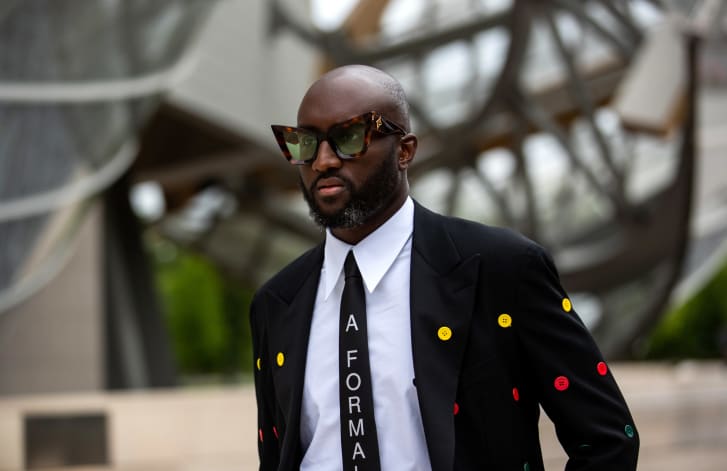
Virgil Abloh pictured outside an event in Paris in July this year.

Virgil Abloh pictured outside an event in Paris in July this year. Credit: Christian Vierig/Getty Images

Creating for community: The Black designers placing identity and heritage at the center of their brands

Abloh was a true multi-hyphenate -- first, and foremost a fashion designer, who before making history as Louis Vuitton's first Black artistic director, founded the cult streetwear label Off-White.

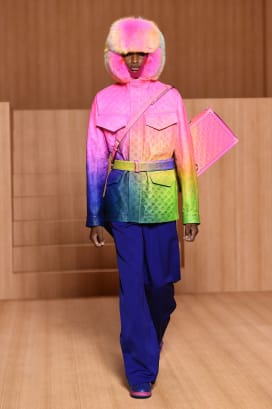
At Louis Vuitton, he brought in a younger demographic, with menswear collections that blurred the lines between high fashion and streetwear, as well as pushed artistic boundaries and challenged gender norms. A sparkly "embroidered bib" he designed, for example, became an instant talking point when it was worn by Timothée Chalamet to the Golden Globes in 2019. Other versions were donned by Michael B. Jordan and Chadwick Boseman.

  • Virgil Abloh Met Gala 2021 RESTRICTED

  • 13 virgil abloh design gallery timothee chalamet restricted

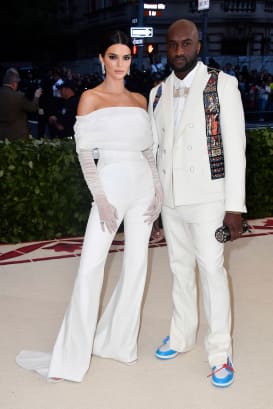
  • 01 virgil abloh design gallery kendall jenner restricted

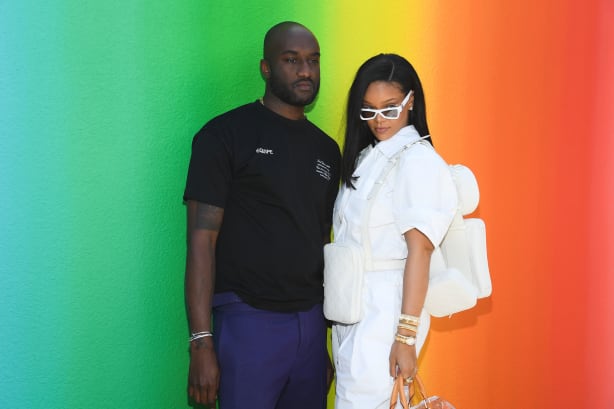
  • 02 virgil abloh design gallery rihanna

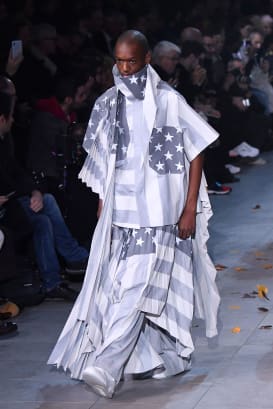
  • 03 virgil abloh design gallery paris fw 2021 restricted

  • 04 virgil abloh design gallery paris fw 2019 restricted

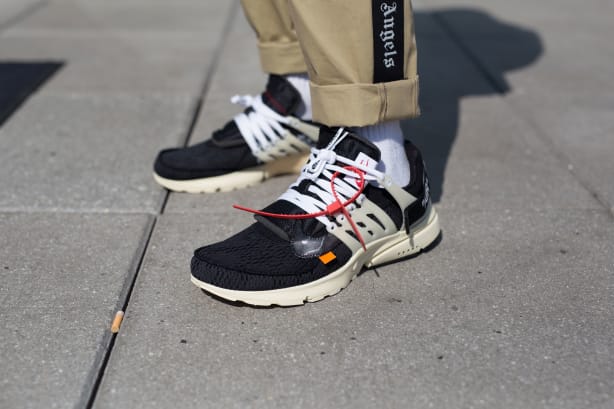
  • 05 virgil abloh design gallery off white nike 2017 restricted

  • 06 virgil abloh design gallery paris fw 2020 restricted

  • 07 virgil abloh design gallery kanye 2018 restricted

  • 09 virgil abloh design gallery paris fw 2021 2

  • 10 virgil abloh design gallery nicole kidman 2017

  • 11 virgil abloh design gallery paris fw 2021 3 restricted

  • 08 virgil abloh design gallery serena williams 2018

  • 12 virgil abloh design gallery kid cudi snl restricted

  • 14 virgil abloh design gallery Takashi Murakami restricted

  • 15 virgil abloh design ikea off white restricted

  • 16 virgil abloh design hailey bieber ig restricted

1/17

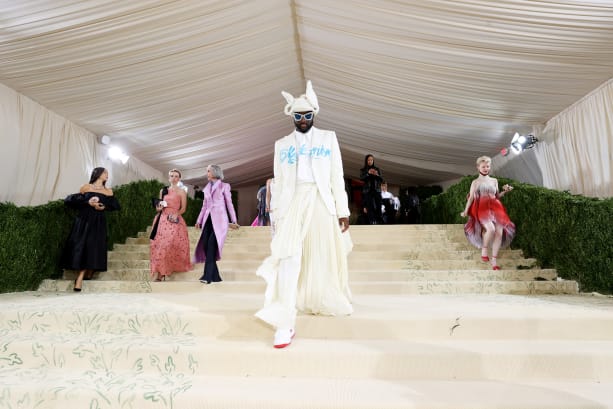
From his history-making work at Louis Vuitton as men's artistic director to unexpected partnerships with Mercedes Benz and artist Takashi Murakami, here's a look back at some of Virgil Abloh's best designs and collaborations. (Pictured: Abloh at the 2021 Met Gala "Celebrating In America: A Lexicon Of Fashion" at Metropolitan Museum of Art on September 13, 2021. Credit: Cindy Ord/MG21/Getty Images

Famous for cross-collaborations, one of Abloh's greatest legacies was his contribution to the world of footwear -- setting the standard for innovative sneakers, in edition after edition of Off-White x Nike designs.

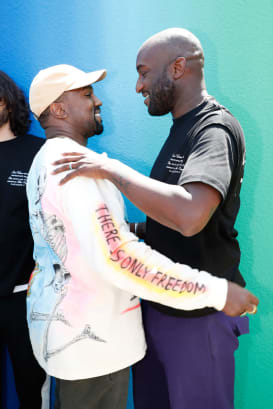
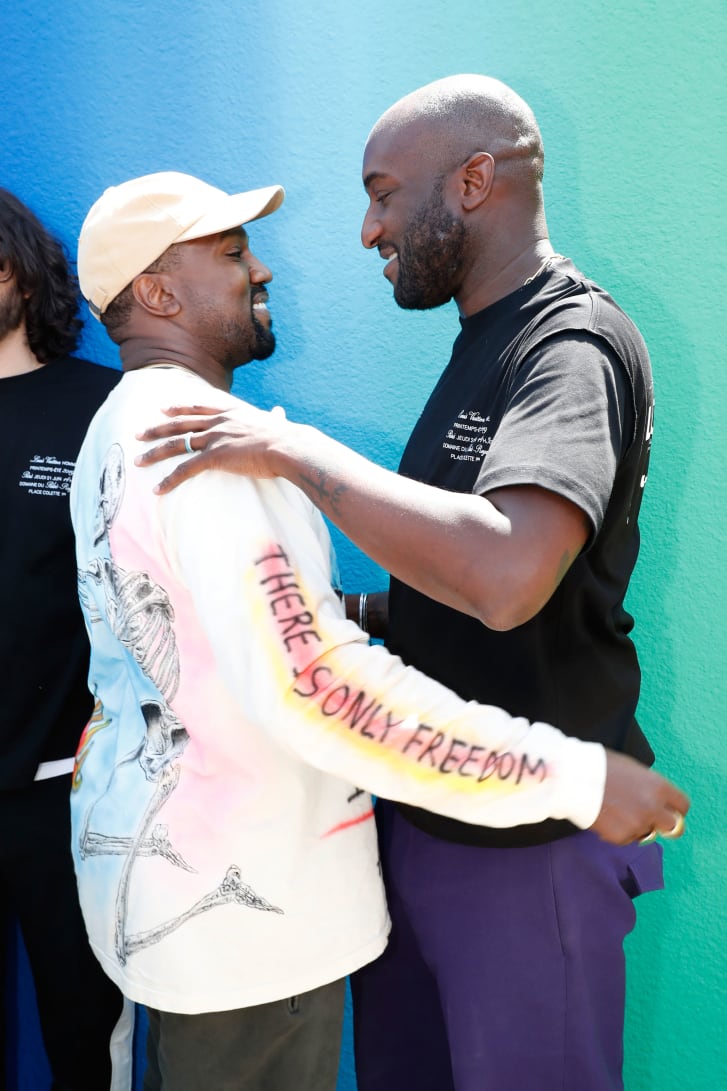
Kanye West and Virgil Abloh pose after the Louis Vuitton Menswear Spring-Summer 2019 show as part of Paris Fashion Week on June 21, 2018 in Paris, France.

Kanye West and Virgil Abloh pose after the Louis Vuitton Menswear Spring-Summer 2019 show as part of Paris Fashion Week on June 21, 2018 in Paris, France. Credit: Bertrand Rindoff Petroff/French Select/Getty Images

He was also big in the world of music, and as a prolific DJ, played at music venues around the world. As a longstanding collaborator of Kanye West, now known as Ye, he worked as a creative director for the rapper's design agency Donda, and designed some of Ye's album covers. As an artist and furniture designer, he collaborated with the likes of Mercedes Benz on an art concept car and IKEA on a coveted range aimed at people moving into their first homes.

Tributes poured in overnight for the late designer, who was one of fashion's most powerful Black men, in an industry that notoriously lacks diversity. Harlem couturier Daniel Day, known as Dapper Dan, spoke to the point in an Instagram post, writing "Virgil's life was a testament to how much Black Lives Matter by showing what black lives are capable of.

"His march took him to the top of luxury fashion. Virgil started out as a foot soldier but died a general."

British Vogue editor-in-chief Edward Enninful called him "a giant among men," on Instagram, writing that Abloh always worked "to open the door to art and fashion for future generations, so that that they -- unlike himself, would grow up in a creative world with people to mirror themselves in."

Above is from:  http://www.cnn.com/style/article/virgil-abloh-death/index.html?utm_term=163812863368628ab574d376b&utm_source=cnn_Breaking+News&utm_medium=email&bt_ee=sXQcUV%2BZ%2FKoX2ExfM6i%2BfYsdhECRgsIweCk%2BNdg3lGMO1NCH5W1mQuVPQrwkhKj2&bt_ts=1638128633688

Friday, November 26, 2021

Is a new South African COVID variant on the way?

AFP

Europe rushes to bolster virus defences as South Africa detects new strain

Europe has been in the throes of violent riots over virus restrictions (AFP/Kenzo TRIBOUILLARD)

Shanghai shut down organised tours to other provinces, cancelled hundreds of flights and closed some schools after three local cases were recorded (AFP/Hector RETAMAL)

Authorities in the Netherlands are preparing for new riots ahead of an expected lockdown announcement by Prime Minister Mark Rutte (AFP/Danny KEMP)

In the first international move to protect against the variant's spread, Britain said it would ban travel from six southern African countries (AFP/Daniel LEAL)

1 / 4

Europe rushes to bolster virus defences as South Africa detects new strain

Europe has been in the throes of violent riots over virus restrictions (AFP/Kenzo TRIBOUILLARD)

Fri, November 26, 2021, 12:28 AM

Governments across Europe rushed on Friday to bolster their defences against a fresh coronavirus spike, as South Africa announced it had detected a new Covid-19 strain that scientists fear could torpedo efforts to beat the pandemic.

In recent weeks the continent has been in the throes of surging cases and violent riots, wrestling with booster programmes and dramatic lockdowns to stem the tide as its death toll surpassed 1.5 million and it once again became the global epicentre of an unceasing pandemic.

Scientists are now racing to understand the impact of the new, heavily mutated strain, feared to be more infectious than Delta, which brought the world back to its knees a year after the virus first surfaced in central China.

"This is the most significant variant we have encountered to date and urgent research is under way to learn more about its transmissibility, severity and vaccine-susceptibility," Britain's health agency chief Jennie Harries said in a statement.

- Dutch riot fears -

Ahead of Thursday's announcement by scientists in South Africa, countries across Europe were already accelerating booster campaigns, enforcing stricter curbs and targeting the unvaccinated as cases multiplied to record levels.

Authorities in the Netherlands were preparing for new riots ahead of an expected announcement Friday by Prime Minister Mark Rutte to tighten a partial lockdown as it faces a critical hospital bed shortage with infections reaching record levels.

The country has suffered four straight days of anti-lockdown unrest, led by people Rutte described as "idiots", the worst in the port city of Rotterdam where police opened fire on rioters, injuring five.

"We are keeping our eyes and ears open and we are prepared," Rotterdam police spokesman Gijs van Nimwegen told AFP.

Germany, the Czech Republic and Portugal -- which has one of the world's highest vaccination rates -- all announced new measures in recent days to stem the tide of infections that has been worse than feared.

German Chancellor Angela Merkel issued an urgent warning to the country's incoming government on Thursday, saying "every day counts" as the country's death toll passed 100,000.

Europe is stepping up its vaccination drive to beat back rising cases ahead of the encroaching winter.

On Thursday, France made booster shots available to all adults and the European Union's medicines agency has approved jabs for five- to 11-year-olds.

- 'Many mutations' -

Scientists and health officials in Britain and South Africa expressed alarm that the new variant -- expected to be code-named by the WHO on Friday -- could undo much of the hard-won gains against the virus over the summer.

The WHO said it is "closely monitoring" the reported variant and is expected to determine if it should be designated a variant of "interest" or of "concern".

Scientists have said the new B.1.1.529 variant has at least 10 mutations, compared to two for Delta or three for Beta.

"The concern is that when you have so many mutations, it can have an impact on how the virus behaves," Maria Van Kerkhove, the WHO's technical lead on Covid-19, said at a virtual press briefing.

South African Health Minister Joe Phaahla described the strain as "a major threat".

The finding has left British scientists "deeply concerned", Health Minister Sajid Javid said, because it could render current vaccines less effective.

In the first international move to protect against its spread, Britain said it would ban travel from six southern African countries.

The news of the variant's discovery spooked investors in early afternoon trade, with Tokyo stocks diving three percent.

- Shanghai shuts schools -

In Asia, China's strict zero-Covid policy pushed Shanghai to cancel hundreds of flights and close some schools after three local cases were recorded, health officials said Friday.

"China has accumulated lots of experience in 'dynamic zero-Covid'," said Zhang Wenhong, head of the Shanghai Covid prevention expert task force, at a Thursday briefing.

"So our strategy won't change."

There was more positive news elsewhere, however.

The Philippines said Friday it would welcome vaccinated foreign tourists back to its shores next week from countries designated as low-risk.

But the effects of the pandemic have pushed even the most hardened skeptics on the world stage into embracing some anti-virus measures.

"As far as I'm concerned, we shouldn't have carnival" in February, said Brazilian President Jair Bolsonaro said in an interview Thursday, in a rare nod to social distancing.

burs-jfx/ser

Above is from:  https://www.yahoo.com/news/europe-rushes-bolster-virus-defences-062851981.html

Tuesday, November 23, 2021

Will Dollar Store become the $1.25 Store?

Money.com

Money.com

Everything at Dollar Tree Will Soon Cost More Than a Dollar

Javier Simon - 7h ago


© Getty Images

You might have to dig a little deeper the next time you shop at Dollar Tree. The discount giant has announced that it’s rolling out a $1.25 price point at all its stores by next year. And items could cost as much as $5 at its Dollar Tree Plus stores.

The company attributes its price increases to supply chain issues, “higher freight costs and other inflationary pressures.” This marks the end of a discount era as Dollar Tree has been known for selling items for no more than $1 for more than 40 years.

And even as inflation choked out most dollar store chains, Dollar Tree was one of the last ones to resist and price the overwhelming majority of their items for $1 or less. But that’s all going to change as we roll into 2022.

8 Major Stimulus Check Problems, Solved

© Provided by Money.com8 Major Stimulus Check Problems, Solved


Why is Dollar Tree raising its prices?

Like many retailers, Dollar Tree is feeling the heat from inflation. Across the board, the prices for goods and services are increasing: The annual inflation rate in the U.S. soared to 6.2% in October 2021, marking the highest upward tick since 1990.

As a result, manufacturers are paying more for the basic materials used to make their products, and that price increase is getting passed on to you. To make matters worse, the COVID-19 pandemic is still tightening supply chains and making it harder and more expensive for companies to distribute their products.

Which Dollar Tree products will cost more?

The company wasn’t specific about which items are getting heftier price tags. But you can expect to pay $1.25-$1.50 for most items by 2022, according to the company. Dollar Tree is known for selling everyday goods like canned food, school supplies and toys. The company also noted that items priced at $3 and $5 at Dollar Tree Plus stores would include “arts and crafts, sports, home decor, apparel, and holiday and seasonal items.”


© Provided by Money.comA Detailed Guide to Every State Extending Unemployment Benefits


Are these price increases temporary?

Based on Dollar Tree’s latest earnings report, it looks like the “$1.25 Dollar Tree” is here to stay.


Dollar Tree CEO and president Michael Witynski said in a press release, “We believe testing additional price points above $1 for Dollar Tree products will enable us over time to expand our assortments, introduce new products and meet more of our customers’ everyday needs.”

Moreover, Dollar Tree expects to convert more of its stores into Dollar Tree Plus stores, where items can be priced as high as $5. The retailer plans to have 500 Dollar Tree Plus stores by the end of 2021 and another 1,500 next year.

Despite freight and logistics issues, Dollar Tree unveiled some healthy earnings for the third quarter of 2021, which ended on October 31. Consolidated net sales increased 2.6% to $19.23 billion from $18.74 billion in the same period last year. Shares of Dollar Tree rose 16% Wednesday to more than $100. However, the stock is down 6% for the year.


© Copyright 2021 Ad Practitioners, LLC. All Rights Reserved.

This article originally appeared on Money.com and may contain affiliate links for which Money receives compensation. Opinions expressed in this article are the author's alone, not those of a third-party entity, and have not been reviewed, approved, or otherwise endorsed. Offers may be subject to change without notice. For more information, read Money’s full disclaimer.

Monday, November 22, 2021

Booster Doses Available for 18 Years and Older

Booster Doses Available for 18 Years and Older
The Boone County Health Department is following the Illinois Department of Public Health recent recommendation that anyone 18 years and older receive a COVID-19 vaccine booster dose six months after receiving their second Moderna or Pfizer-BioNTech vaccine, or two months after receiving the one-dose Johnson & Johnson vaccine.
You may register for our December 2nd clinic using THIS LINK.

Additionally, walk in options are available at the following locations:

Tuesday, December 7th, 9AM – 4PM, Empower Boone Food Pantry, 200 South 5th St, Capron, IL 61012

Thursday, December 9th, 9AM – 4:30PM, YMCA of Belvidere, 220 W Locust St, Belvidere, IL 61008

Tuesday, December 14th, 9AM – 4PM, Empower Boone Food Pantry, 200 South 5th St, Capron, IL 61012

Thursday, December 16th, 9AM–4:30PM, YMCA of Belvidere, 220 W Locust St, Belvidere, IL 61008

Monday, December 20th, 9AM – 4:30PM, St. John's UCC, 401 N Main St, Belvidere, IL 61008

Individuals may also contact their health care provider or visit www.vaccines.gov to find a nearby location to receive a booster COVID-19 dose.

Sunday, November 21, 2021

Unions sue Biden administration for stricter COVID mandates

HEALTH AND SCIENCE

Labor unions sue Biden administration to expand Covid vaccine mandates and cover smaller businesses

PUBLISHED MON, NOV 15 202111:06 AM ESTUPDATED MON, NOV 15 202112:05 PM EST

Spencer Kimball@SPENCEKIMBALL

SHAREShare Article via FacebookShare Article via TwitterShare Article via LinkedInShare Article via Email

KEY POINTS

  • The AFL-CIO, United Food and Commercial Workers, and Service Employees International unions challenged the Biden administration’s business vaccine mandate in federal appeals courts last week.
  • While they support the vaccine and testing requirements, the unions want the mandates to cover as many businesses as possible, not just those with 100 or more employees.
  • As unions are trying to get the mandates expanded, Republican attorneys general are trying to get them overturned.

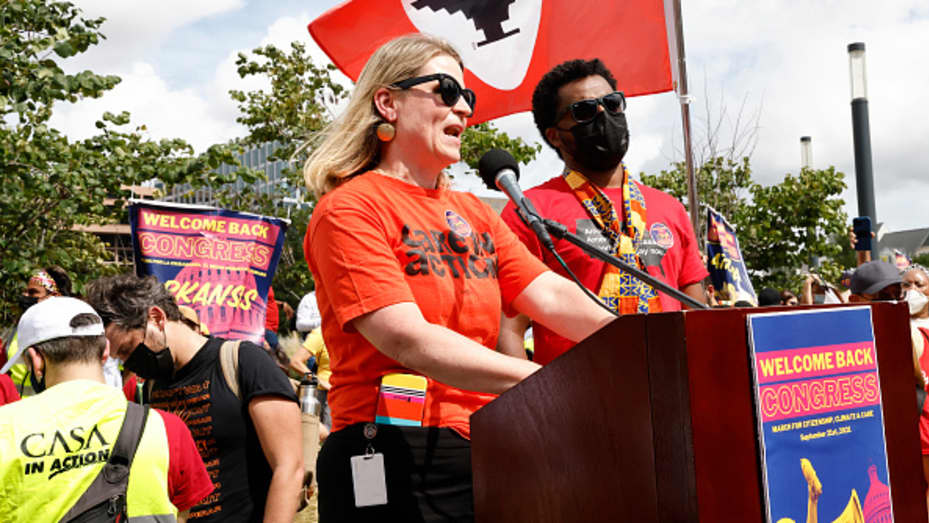
Liz Schuler, AFL-CIO President, speaks as Thousands welcome back Congress by marching for Citizenship, Care, And Climate Justice on September 21, 2021 in Washington, DC.

Liz Schuler, AFL-CIO President, speaks as Thousands welcome back Congress by marching for Citizenship, Care, And Climate Justice on September 21, 2021 in Washington, DC.

Paul Morigi | Getty Images

Several of the nation’s largest labor unions are suing over President Joe Biden’s vaccine and testing requirements, not to overturn them, but to expand them to cover more businesses.

The United Food and Commercial Workers International Union and the AFL-CIO asked the U.S. Court of Appeals for the District of Columbia last week to review the requirements. The AFL-CIO is the largest federation of trade unions in the U.S., and the UFCW is the largest meatpacking and food processing union.

While the unions did not provide arguments in their petition, a spokesman for the food workers union told CNBC the group wants the mandates expanded to cover as many businesses as possible. The union also wants the new Labor Department rule to ensure employees don’t have to cover the costs of Covid testing and face masks. The Biden mandates don’t force companies to cover those costs.

The food workers’ union said in a statement to CNBC it wants to “strengthen the worker protections to ensure that as many workers are covered as possible, that frontline employees have a voice in how vaccine requirements are implemented, and that employees do not shoulder the cost of masks, testing, or other critical safeguards needed to keep workers and customers safe.”

The Service Employees International Union also challenged Biden’s vaccine and testing requirements last week in the U.S. Court of Appeals for the Second Circuit. SEIU local 32BJ represents 175,000 workers — primarily building security guards and cleaners — across New York, New England, New Jersey, parts of Pennsylvania, the D.C. metro area and Florida.

The service employees, in their petition, said the Biden policy “fails to adequately protect all workers who face a grave danger from COVID-19 exposure in the workplace.” SEIU 32BJ President Kyle Bragg told CNBC in a statement Friday that his local wants the mandates expanded to include all businesses.

“We believe that we all have to do our part to help our communities return to normal and that the COVID vaccine or test mandate should be broader in scope to also apply to employers with less than 100 employees,” Bragg said. “An exemption for these employers undermines the effort to protect public health.”

The Labor Department declined to comment on the unions’ lawsuits. Biden, in a speech shortly after Labor Day, said he intends to be “the most pro-union President leading the most pro-union administration in American history.”

The AFL-CIO, food workers and service workers unions lobbied White House officials in conference calls with the Office of Management and Budget last month to include broader protections in the mandates for workers, such as ventilation standards and requirements for businesses to ensure physical distancing where appropriate. The administration did not include those measures in its vaccination and testing policy.

The Occupational Safety and Health Administration, which will enforce the mandates for the Labor Department, has said it set the threshold at businesses with 100 or more employees because it was confident those companies had the tools in place to implement the requirements.

OSHA said it decided against mandating broader Covid mitigation measures across industries because doing so “is an extraordinarily challenging and complicated undertaking.” The agency said it had to “act as quickly as possible” to protect workers from the grave danger posed by Covid, and vaccination is “the single most efficient and effective means” to do so.

However, OSHA has indicated that it could expand the mandates to cover smaller businesses and is considering whether to add more requirements to protect employees. The agency is seeking information, through a public comment period, from companies that have broader protections in place as well as businesses with fewer than 100 employees that have vaccination and testing requirements.

The Biden administration now faces a legal tug of war over the vaccine and testing requirements. As labor unions push to have the courts expand the mandates, Republican attorneys general in at least 26 states have sued in five federal appellate courts to have the Biden policy overturned.

The Republican National Committee has also sued in the D.C. Court of Appeals to overturn the mandates. That case has been consolidated with the AFL-CIO and UFCW’s petition for review.

The U.S. Court of Appeals for the Fifth Circuit, considered one of the most conservative in the country, halted the requirements on Nov. 6, writing that the lawsuits “give cause to believe there are grave statutory and constitutional issues with the Mandate.”

The court reaffirmed its decision to delay the requirements on Friday evening, calling them “fatally flawed” and “staggeringly overbroad.” The court said the lawsuits seeking to overturn the requirements are likely to succeed.

The court-ordered halt came in response to suits filed by the Republican attorneys general of Texas, Louisiana, Mississippi, South Carolina and Utah, as well as several private companies.

The cases will be consolidated in a single court through random selection among the jurisdictions where petitions have been filed. The Justice Department said last week that the random selection will take place on Tuesday at the earliest.

The selection process could prove crucial to the future of the vaccine and testing requirements. While Republican attorneys general have filed in federal appellate courts with more GOP-appointed judges, the unions have filed in courts with more Democratic-appointed judges.

David Vladeck, a professor of law at Georgetown University, told CNBC last week that there’s a “high probability” the case could end up in the Supreme Court, where there’s a conservative majority.

The White House has told businesses to continue implementing the requirements as the legal drama plays out in the courts. Companies with 100 or more employees have until Jan. 4 to ensure their staff have received the shots required for full vaccination. After that date, unvaccinated employees must submit a negative Covid test weekly to enter the workplace. Unvaccinated employees must start wearing masks indoors at the workplace starting Dec. 5.

“People should not wait,” White House Deputy Press Secretary Karine Jean-Pierre told reporters last Monday. “They should continue to move forward and make sure they’re getting their workplace vaccinated.”

Above is from:  https://www.cnbc.com/2021/11/15/biden-vaccine-mandate-unions-sue-to-include-more-covid-protections.html?recirc=taboolainternal

Thursday, November 18, 2021

November 18: Johns Hopkins COVID 19 Report

COVID-19 Situation Report

Editor: Alyson Browett, MPH

Contributors: Clint Haines, MS; Natasha Kaushal, MSPH; Amanda Kobokovich, MPH; Christina Potter, MSPH; Matthew Shearer, MPH; Marc Trotochaud, MSPH; and, Rachel A. Vahey, MHS.

The COVID-19 Situation Report will not publish next week in recognition of the Thanksgiving holiday. We will resume publication on November 30.

GLOBAL HEALTH SECURITY INDEX On December 8 (9am EST), the Johns Hopkins Center for Health Security and the Nuclear Threat Initiative (NTI) are launching the 2021 Global Health Security Index. The GHS Index is a comprehensive assessment that provides a benchmark for capacities to prevent, detect, and respond to epidemics and pandemics across 195 countries. COVID-19 continues to disrupt lives and livelihoods, stress health systems, and exhaust social protections and government budgets around the world, and it will not be the last global health emergency the world will face. The need for durable national health capacities and political and social environments that foster effective prevention and response measures has never been clearer. Attendees are requested to register in advance, and an agenda will be sent to registrants. The launch event will be conducted in English with translation available in French, Spanish, Arabic, Mandarin, and Russian.

EPI UPDATE The WHO COVID-19 Dashboard reports 254.3 million cumulative cases and 5.1 million deaths worldwide as of November 17. Global weekly incidence increased for the fourth consecutive week, while global weekly mortality rose slightly over the previous week. Weekly incidence increased by 7.84% compared to the previous week, and mortality increased by 1.45%. During the week ending November 14, 3.3 million cases were reported, with Europe accounting for 2.15 million of those, according to the WHO COVID-19 Weekly Epidemiological Update.

Global Vaccination

The WHO reported 7.3 billion cumulative doses of SARS-CoV-2 vaccines administered globally as of November 15. A total of 4.05 billion individuals have received at least 1 dose, and 3.06 billion are fully vaccinated. Analysis from Our World in Data indicates that the overall trend in global daily vaccinations has decreased over the past week, down to 29.6 million doses per day on November 17 from a recent high of 33.48 million doses per day on November 14.*

Our World in Data estimates that there are 4.13 billion vaccinated individuals worldwide (1+ dose; 52.41% of the global population) and 3.25 billion who are fully vaccinated (41.23% of the global population).

*The average daily doses administered may exhibit a sharp decrease for the most recent data, particularly over the weekend, which indicates effects of reporting delays. In an effort to reflect the longer-term trends, the numbers reported here may not correspond to the most recent data.

UNITED STATES

The US CDC reports 47.2 million cumulative COVID-19 cases and 762,994 deaths. The current daily incidence average is approximately 85,944 new cases per day and appears to be increasing. Daily mortality appears to be holding relatively steady, with the US currently averaging 1,028 deaths per day.*

*Changes in state-level reporting may affect the accuracy of recently reported data, particularly over weekends. In an effort to reflect the longer-term trends, the numbers reported here may not correspond to the most recent dates.

US Vaccination

The US has administered 434.5 million cumulative doses of SARS-CoV-2 vaccines. The daily vaccination trend reached a recent peak at 1.2 million doses on October 29 but has declined slightly to 1.17 million doses as of November 5.* Since CDC Director Dr. Rochelle Walensky endorsed the recommendation by the CDC’s Advisory Committee on Immunization Practices (ACIP) to authorize use of the Pfizer-BioNTech vaccine in children aged 5 to 11 years, an estimated 1 million elementary-age kids have received their first dose, according to a White House official.

There are 228.2 million individuals who have received at least 1 vaccine dose, equivalent to 68.7% of the entire US population. Among adults, 81.7% have received at least 1 dose, as well as 15.3 million children under the age of 18. A total of 195.6 million individuals are fully vaccinated, which corresponds to 58.9% of the total population. Approximately 70.7% of adults are fully vaccinated, as well as 12.9 million children under the age of 18. Since August 13, 31.5 million fully vaccinated individuals have received an additional or booster dose, including 37.3% of fully vaccinated adults aged 65 years or older.

*Due to delays in reporting, estimates for the average daily doses administered are less accurate for the most recent 5 days. The most current average provided here corresponds to 5 days ago.

BOOSTER DOSES The US FDA is expected to expand eligibility for booster shots of mRNA-based SARS-CoV-2 vaccines to all adults who received their second dose at least 6 months prior, as early as today. Both vaccines from Pfizer-BioNTech and Moderna already are authorized as booster doses* for adults aged 65 years and older, adults at risk of severe disease due to underlying health conditions, and adults at risk of disease due to their occupation. According to some estimates, between 30-40% of adults are not eligible for booster doses under current authorizations. The FDA is expected to decide on Pfizer-BioNTech’s and Moderna’s requests to expand their vaccines’ emergency use authorizations (EUAs) without convening the Vaccines and Related Biological Products Advisory Committee (VRBPAC) for discussion. VRBPAC previously rejected initial requests for booster doses for all adults for both vaccines in favor of scaled back authorizations focusing on at-risk populations. There are some concerns that not convening the expert panel could undercut its influence and skip important public discussions about the use of limited global vaccine resources and breakthrough cases. A meeting of the US CDC Advisory Committee on Immunization Practices (ACIP) is scheduled to discuss booster dose efficacy on November 19. Some US states—amid rising COVID-19 cases and frustration with what they see as a delay in federal approval for widespread booster shots—have moved forward to expand eligibility among their populations.

Meanwhile, the UK Joint Committee on Vaccination and Immunization (JCVI) expanded SARS-CoV-2 mRNA vaccine booster eligibility in England from all adults aged 50 and older to all adults aged 40 years and over in an effort to stem new infections, as mainland Europe experiences a large surge. The panel also recommended a second dose of the Pfizer-BioNTech vaccine for adolescents ages 16-17 years, a minimum of 12 weeks after their initial dose. Many in Europe are expecting a difficult winter with high SARS-CoV-2 transmission. But as wealthier nations continue to expand booster dose eligibility to larger swaths of their populations, WHO Director-General Dr. Tedros Adhanom Ghebreyesus last week called SARS-CoV-2 vaccine disparities between high-income and low- and middle-income countries a “scandal.” There are currently 100 countries at risk of falling short of the WHO’s previous goal of fully vaccinating 40% of the global population by year’s end. The WHO claims that this goal could still be achieved if COVAX immediately received 500 million additional doses of vaccine. Experts warn that ongoing global vaccine disparity could lead to the rise of additional SARS-CoV-2 variants with the potential to escape current immunity and vaccine design.

*The Pfizer-BioNTech dose is the full dose of the prime-boost series (30μg) while the Moderna booster is administered as a half dose of the original 2 shots (50μg vs 100μg).

VACCINE SUPPLY The administration of US President Joe Biden this week announced plans to invest billions of dollars to expand domestic manufacturing capabilities to increase the supply of SARS-CoV-2 mRNA vaccines to low- and middle-income countries (LMICs) by 1 billion doses annually. According to the White House, the funds will go to companies that make mRNA vaccines—including Pfizer, BioNTech, Moderna, and other subcontractors—to expand vaccine infrastructure and capacity, such as facility space, equipment, and staff. Funding will come from the American Rescue Plan that President Biden signed into law in March. So far, the US has pledged to donate at least 1.1 billion doses to LMICs and is requesting that other wealthier countries make similar commitments to address global inequities in vaccine access and distribution. The Biden administration is under increasing pressure to do more to close vaccine access gaps and reach global vaccination goals, and while this latest announcement is welcomed, no agreement has been reached with the pharmaceutical companies and any results in increased manufacturing are not expected until the latter half of 2022. In a US House of Representatives Appropriations subcommittee hearing this week, some lawmakers focused their criticism on Moderna, saying the company has not contributed enough to global vaccine supplies and criticizing it for its reluctance to give credit and share vaccine technology patent rights with government scientists. For its part, the US government has asked Moderna to take steps to help increase vaccine supplies, particularly in Africa—where less than 7% of the population is vaccinated— and with COVAX. It is unclear whether these latest steps by the Biden administration will help quell the growing anger among some activists.

US HEALTHCARE WORKER EXODUS Due to the protracted nature of the COVID-19 pandemic, many US healthcare workers are facing extreme burnout and leaving their posts in droves. About 18% of healthcare workers in the US have quit since the beginning of the pandemic and another 12% have been laid off. The stressors of the current emergency have nearly doubled the risk of burnout among physicians, with up to 75% reporting symptoms of exhaustion, depression, sleep disorders, or post-traumatic stress disorder (PTSD). Healthcare workers also are reporting higher rates of “moral injury,” prolonged moral trauma caused by factors including staffing shortages, a lack of equipment necessary to treat patients, decreasing wages, or feelings of helplessness. The exodus is increasing strain on already pressured healthcare systems as they struggle to fill vacancies and ensure patients' needs are met. Some experts—worried about how to restore and reinvigorate an essential, yet exhausted, workforce—are calling on the federal government for help to address healthcare worker shortages and urging healthcare systems to implement better preventive measures, such as creating chief wellness officer positions to oversee employees’ needs. With so many healthcare workers leaving their jobs, steps must be taken to ensure continuity in patient care and to prevent an implosion of the nation’s healthcare system.

PFIZER ORAL ANTIVIRAL Pfizer submitted a request for emergency use authorization (EUA) of its candidate oral antiviral COVID-19 treatment PAXLOVID—a combination of a new antiviral, PF-07321332, and ritonavir—with the US FDA on November 16. The submission is based on an interim analysis from a Phase 2/3 clinical trial showing the treatment demonstrated an 89% risk reduction in COVID-19-related hospitalization or death among high-risk adults when administered within 3 days of symptom onset. If authorized, the medication could help people with COVID-19 recover at home instead of seeking treatment at a hospital, and therefore reduce the strain on the healthcare system. Another similar COVID-19 treatment could be authorized soon, with an FDA advisory committee set to consider an EUA application from Merck and Ridgeback Biotherapeutics for their candidate antiviral drug molnupiravir on November 30. The US government plans to purchase 10 million courses of Pfizer’s treatment at a cost of $5 billion, although the deal is not yet finalized. Both Pfizer and Merck have announced voluntary license agreements with the Medicines Patent Pool to allow sub-licensed generic medicine manufacturers to produce the antivirals for 95 countries, including all low- and lower-middle income countries. However, availability will remain a challenge, as Merck expects to supply around 3 million courses of its treatment before February 2022 and Pfizer expects to supply only about 300,000 courses prior to February. For context, an average of more than 500,000 cases are confirmed daily worldwide.

ANTIMICROBIAL RESISTANCE An increasing number of countries are pledging to address antimicrobial resistance (AMR), but the COVID-19 pandemic has stalled progress and potentially drove an increase in the prevalence of AMR infections, according to a survey supported by the WHO, Food and Agriculture Organization (FAO), and the World Organization for Animal Health (OIE). Funding reductions, coordination challenges, lack of political commitment, and delays in surveillance are some of the factors impacting the development and implementation of national AMR plans, according to the 163 countries that responded to the Tripartite AMR survey. Part of the problem is a lack of regulatory enforcement in many countries, with only 33% of nations saying they have guidelines and practices in place to improve the use of antimicrobials in healthcare settings.

The Pan American Health Organization (PAHO) this week warned that the overuse of antimicrobial medicines has risen to unprecedented levels during the pandemic and some nations are reporting surges of drug-resistant infections. A large majority of hospitalized COVID-19 patients in the region are given antimicrobials for treatment—90% to 100%—but only 7% have a secondary infection that warranted the use of those drugs. The UK Health Security Agency (UKHSA) also released new data this week showing antibiotic-resistant bloodstream infections fell in 2020 for the first time since 2016. However, the agency cautioned the world could move from one pandemic into another “hidden pandemic” of AMR and warned the number of resistant infections could increase in the coming years if efforts to reduce them are not sufficient. For years, experts have been calling for more investment into ways to address AMR and prepare for potential outbreaks of drug-resistant diseases. World Antimicrobial Awareness Week (WAAW) is recognized November 18-24.

US OVERDOSE DEATHS An estimated 100,000 people died of drug overdoses in a yearlong period ending in April, a record high number spurred by the COVID-19 pandemic and a more deadly drug supply, according to new data from the US CDC. Social isolation and a lack of access to treatment during the beginning of the pandemic likely drove the increase, leading to what US President Joe Biden called “a tragic milestone.” The number of overdose deaths rose 28.5% from the same period a year earlier and has nearly doubled over the past 5 years. Experts warn that even if the COVID-19 pandemic ended today, the increasing use of the synthetic drug fentanyl will continue and urgent steps must be taken to improve access to treatment.
Tuesday, November 16, 2021

Flying soon? These are the TSA rules you need to know

The U.S. Department of Homeland Security Transportation Security Administration Seal

SearchSearch

  1. Home
  2. Coronavirus (COVID-19) information

Coronavirus (COVID-19) information

COVID-19

Updated November 15, 2021

TSA Response to COVID-19

The Transportation Security Administration continues to adjust its security operations during the COVID-19 global pandemic. We established this webpage to provide resources and information to assist passengers who travel during this time. TSA is ready to meet the current and future security needs of the nation’s transportation systems and remains dedicated to keeping travelers and our frontline workforce healthy and secure.

For the latest press releases and statements related to COVID-19, please visit our media page.

Face Masks Now Required

The Transportation Security Administration has implemented the Executive Order on face masks at airport security checkpoints and throughout the transportation network when indoors. For more information, please read our latest press release.

Any passenger who violates federal regulations, such as refusal to wear a mask in U.S. transportation systems covered by the January 31, 2021 Security Directive and subsequent amendments, may be subject to penalties or fines. The traveler will also be denied TSA PreCheck expedited screening benefits for a period of time.

Stay Healthy. Stay Secure.

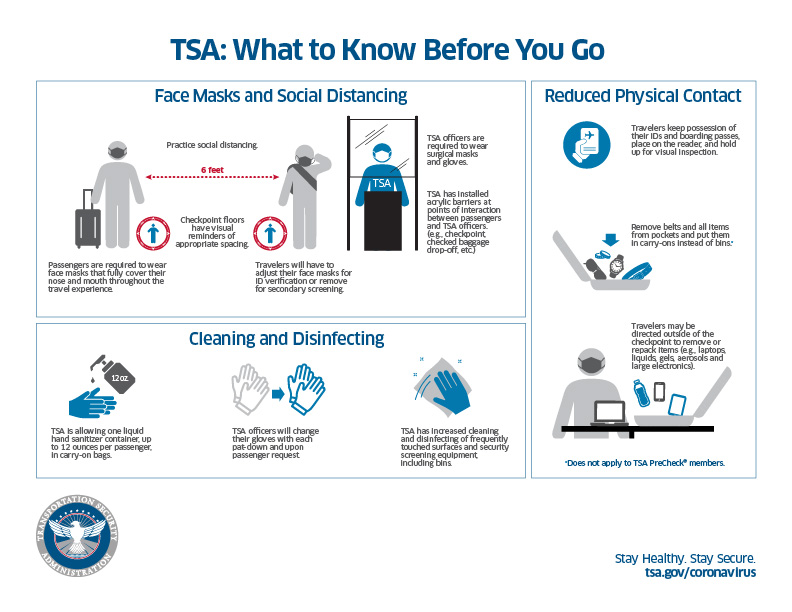
TSA launched the “Stay Healthy. Stay Secure.” campaign, which details proactive and protective measures we have implemented at security checkpoints to make the screening process safer for passengers and our workforce by reducing the potential of exposure to the coronavirus. The campaign includes guidance and resources to help passengers prepare for the security screening process in the COVID environment.

infograph
Click here for a printable infographic
on “What to Know Before You Go.”

Traveling During the COVID-19 Pandemic

Travelers are reminded to follow the Centers for Disease Control and Prevention (CDC) travel guidance as well as local and state advisories regarding COVID-19.  Starting February 2, 2021, all airline travelers must wear a face mask throughout the travel experience when indoors. You will be asked to adjust your mask for ID verification or if it alarms the security screening equipment.

Travelers are also encouraged to:

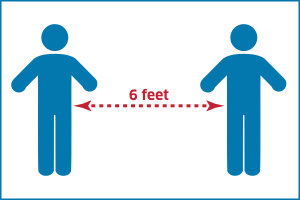
  • Maintain a social distance of six feet wherever possible while at the checkpoint.
  • Remove belts and all personal items from your pockets such as wallets, keys or phones before you enter the checkpoint queue and place them in your carry-on bag.  (Does not apply to TSA PreCheck® members).
  • Practice good hygiene, such as washing your hands regularly, including directly before and after completing the security screening process. If it is not possible to wash your hands, please use hand sanitizer.
  • Arrive at the airport early to allow adequate time for checking bags, completing security screening and getting to the departure gate. COVID-19 has affected staffing and operations across the airport environment, potentially adding time to your pre-flight experience.

Employees or travelers who believe they may have been in contact with a person who has COVID-19 should consult with their healthcare provider. Employees or travelers who have tested positive for COVID-19 should seek medical attention and follow the guidance of their healthcare provider and local health department.

Passenger Volumes

airplaneClick to View a comparison of TSA checkpoint travel numbers (current year versus prior year(s)/same weekday).

Security Checkpoints

While security is TSA’s top priority, the health and safety of our employees and the traveling public is of utmost importance to us. TSA remains in close communication with medical professionals, the CDC, and various government agencies as we continue to carry out our important mission. Below are some adjustments TSA has made at security checkpoints to make the security screening process safer.

  • Social Distancing

Social distanceTSA has implemented procedures to increase social distancing and reduce direct contact between our employees and the traveling public whenever possible – without compromising security. Adjustments include increasing distance between passengers as they enter the security checkpoint queue and throughout the screening process, placing visual reminders of appropriate spacing on checkpoint floors, and opening more checkpoint lanes where possible to reduce time spent in line.
  • Reduced Physical Contact

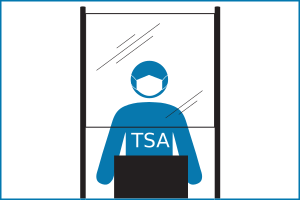
Social distanceTSA is implementing a phased installation of acrylic barriers at various points throughout the checkpoint that require interaction between passengers and TSA officers. Travelers should keep possession of their boarding pass, place it on the document scanner and show the boarding pass to the TSA officer for visual inspection while at the travel document checking station.
  • Personal Protective Equipment

Social distanceTSA officers are required to wear face mask and gloves. They may also choose to wear eye protection or clear plastic face shields. In addition, TSA officers change their gloves following each pat-down and upon passenger request.

  • Cleaning and Disinfecting

CleaningTSA has increased the frequency and intensity of cleaning and disinfecting of frequently touched surfaces throughout the checkpoint including security screening equipment and bins. TSA officers are also required to change Explosives Trace Detection swabs after each use.
  • Medical Exemption for Hand Sanitizer

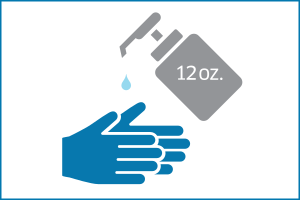
Hand SanitizerAs a temporary exemption from the 3-1-1 rule, TSA is allowing one oversized liquid hand sanitizer container, up to 12 ounces per passenger, in carry-on bags. Since these containers exceed the standard allowance typically permitted through a checkpoint, they will need to be screened separately. This will add some time to your checkpoint screening experience. Please keep in mind that all other liquids, gels and aerosols brought to a checkpoint continue to be limited to 3.4 ounces or 100 milliliters carried in a one quart-size bag. TSA’s special procedures for traveling with medication.
  • Touchless Technology

Touchless TechnologyNew technology continues to be a major priority for TSA. Here are just a few examples of technologies that are changing the way we do business: 1) Computed Tomography (CT) produces high-quality, 3-D images for a more thorough visual analysis of a bag’s contents. 2) Enhanced Advanced Imaging Technology (eAIT) safely screens passengers without physical contact for threats such as weapons and explosives, which may be hidden under a passenger’s clothing. 3) Credential Authentication Technology (CAT) machines automatically verify identification documents presented by passengers during the security screening process.
  • Expired Driver’s License and REAL ID Extension

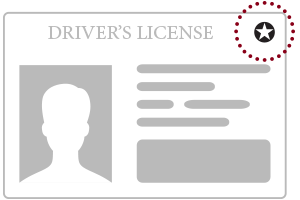
RealIDIf your driver's license or state-issued ID expired on or after March 1, 2020, and you are unable to renew at your state driver’s license agency, you may still use it as acceptable identification at the checkpoint. TSA will accept expired driver’s licenses or state-issued ID a year after expiration. DHS has extended the REAL ID enforcement deadline to May 3, 2023. Learn more about REAL ID on TSA’s REAL ID webpage.

TSA PreCheck®

TSA PreCheck® benefits are even more valuable in today’s travel climate. TSA PreCheck passengers spend less time waiting in line and keep their shoes, belts and jackets on during screening and laptops in their carry-ons, reducing overall contact during screening. Visit TSA PreCheck to learn more. Any passenger who violates federal regulations, such as refusal to wear a mask in U.S. transportation systems covered by the January 31, 2021 Security Directive and subsequent amendments, will be denied TSA PreCheck expedited screening benefits for a period of time.

Airport Closures and Flight Cancellations

TSA does not make decisions about flight cancellations or airport closures. These decisions are made locally, on a case-by-case basis, by individual airlines, airports and public health officials. Before traveling, passengers should check with their airline and airports of origin and destination for the latest information on closures and cancellations.

Supporting our Workforce

The health and safety of our frontline workforce is paramount to TSA. In addition to the measures taken to protect our frontline workforce from COVID-19 transmission, we are also using our unique authorities to provide them with the additional support and care they deserve during this unprecedented time. This includes:

  • Granting paid administrative leave or excused absences (rather than requiring use of personal leave) for those who are diagnosed with COVID-19, need to self-quarantine while awaiting a COVID-19 test result, or have had direct contact with an infected individual.
  • Providing for the maximum use of telework to promote social distancing.
  • Affording new protections and alternatives to employees who are members of vulnerable populations to fit their individual situations.

We will continuously evaluate and adapt our procedures and policies to keep our workforce safe as we learn more about this devastating disease and how it spreads.

TSA Confirmed COVID-19 Cases

TSA has 271 employees with active COVID-19 infections. Those individuals are staying home to help keep the traveling public safe. Since the beginning of the pandemic, TSA has cumulatively had 11,117 federal employees test positive for COVID-19. 10,846 employees have recovered, and 32 have unfortunately died after contracting the virus. We have also been notified that two screening contractors have passed away due to the virus.

TSA is committed to notifying the public about airport locations where TSA employees or screening contractors have tested positive for COVID-19. The chart below lists airports with confirmed COVID-19 cases and the last date worked for the most recent screening employee who tested positive. It does not include non-airport TSA employees or contractors who have limited or no interaction with the public. Passengers who believe they may have come in contact with an infected individual within the past 14 days should follow the  CDC’s recommendations for travel-associated exposure.

Above is from:  Flying soon? These are the TSA rules you need to know (msn.com)