Wednesday, June 14, 2023

Brace Yourself for Kevin Haas

NECKING with Kevin Haas

Rockford journalist and comedian Kevin Haas broke his neck in a snowboard crash on May 9 in Colorado. This hourlong stand-up special — delivered in neck brace for one night only — breaks down what's so funny about breaking your neck!

Opening for Haas are comedians Dan Garcia, Dame Grant and Kevin Wood.

Tickets: $20 for General Seating ; $70 for 2 person VIP table

Proceeds will go to help Kevin pay off his mounting medical bills. Donations can be made when reserving tickets or at The West Side Show Room on the night of the show.

The West Side Show Room

$20 - $70

Every week through Jun 23, 2023.
Friday: 07:00 PM - 08:30 PM
Friday: 09:00 PM - 10:30 PM

Tuesday, June 13, 2023

Hope for Belvidere Assembly Plant?

Rockford Register Star

Rockford Register Star

<?XML:NAMESPACE PREFIX = "[default] http://www.w3.org/2000/svg" NS = "http://www.w3.org/2000/svg" />Following

Mayor: There's still hope to revive Belvidere Assembly Plant

Story by Jeff Kolkey, Rockford Register Star • 11h ago

MARKETS TODAY

DJI▲ ‎+0.43%‎

INX▲ ‎+0.69%‎

COMP▲ ‎+0.83%‎

The idled Chrysler Belvidere Assembly plant is pictured Tuesday, June 6, 2023, in Belvidere.

The idled Chrysler Belvidere Assembly plant is pictured Tuesday, June 6, 2023, in Belvidere.© Susan Moran/Rockford Register Star

As the weeds grow taller on the Belvidere Assembly Plant campus, Belvidere Mayor Clint Morris is hopeful that the Belvidere Assembly Plant won't remain idle.

Once home to as many as 5,000 production employees, Stellantis idled the plant in February after sales of the Jeep Cherokee faltered and as the company works to transition much of its fleet to electric vehicles. Its remaining 1,219 production workers, some of whom were offered jobs at other plants, were laid off indefinitely.

More: Belvidere residents could face first water rate hike in more than a decade. Here's why

Morris said he remains optimistic the plant will be revived because many of the same reasons the site was chosen to build Chryslers in 1965 are the same reasons it remains a viable option to build the vehicles of tomorrow.

"We have a lot of things going for us," Morris said. "Geographically, it still fits and we still have a great workforce."

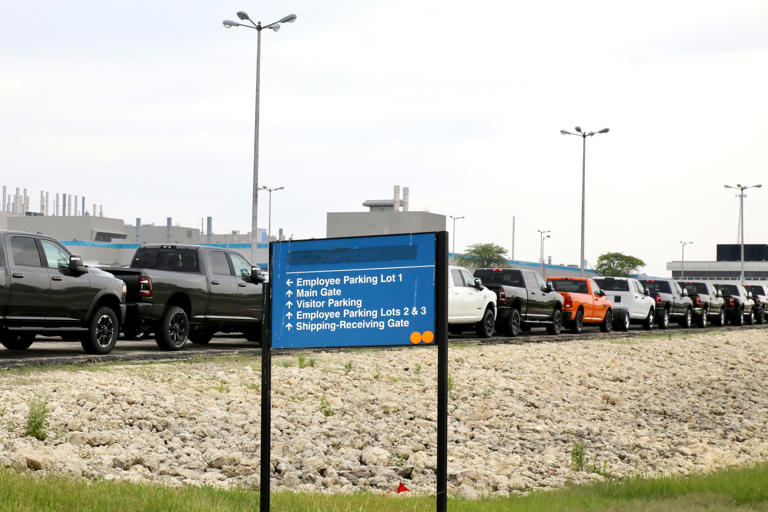
Although the employee parking lots are mostly empty at the plant, other lots are filled with pickup trucks and vehicles headed for dealerships across the region. The Belvidere Assembly Plant, despite idling, remains a rail transportation hub for Stellantis vehicles ready to be shipped to dealerships, a company spokeswoman said.

It is unclear if the plant will re-open and what vehicles it would produce if it were to do so.

Stellantis — the maker of Dodge, Jeep and Chrysler vehicles among many others formed from a joining of Fiat Chrysler Automobiles and Peugeot of France — has so far not definitively said what its plans are for the 5.4 million-square-foot plant. No closure agreement was reached with the United Auto Workers which has a contract through September with the automaker.


Officials said Illinois Gov. JB Prtizker's office is continuing to engage Stellantis to work out an agreement to revive the plant. And negotiations for a new contract this between the United Auto Workers and Stellantis is also another chance for new products to come to the Belvidere Assembly Plant.

Stellantis has not said where it plans to build two of its planned electric vehicles, the Jeep Recon or the vehicle code named the Wagoneer S.

Morris said Illinois put together an impressive package of incentives that included the Re-Imagining Electric Vehicles Act and a $400 million deal-closing fund. There are also federal incentive programs for the production of electric vehicles.

Illinois is competing with Michigan, Indiana and Canada for Stellantis production models, Morris said. Stellantis recently paused construction of its $3.7 billion electric vehicle battery plant in in Canada amid talks with the government over support for the project.

The company has promised to convert all of its European vehicles into electric vehicles and half its U.S. vehicles to electric, pledging billions of dollars.

State Rep. Dave Vella, D-Rockford, said the location and quality of the Belvidere Assembly Plant "is too good" to remain shuttered for long.

It is on a rail line, along Interstate 90 and near the Chicago Rockford International Airport which makes it attractive, if not for Stellantis, than for other companies, Vella said.

There is also vacant land adjacent to the massive campus for potential battery manufacturing, Vella said.

"This plant is in play," Vella said. "If Stellantis doesn’t come, I truly believe someone else will. But I do think Stellantis is going to come. I think good things are going to happen soon."

Jeff Kolkey can be reached at  (815) 987-1374, via email at jkolkey@rrstar.com and on Twitter @jeffkolkey.

This article originally appeared on Rockford Register Star: Mayor: There's still hope to revive Belvidere Assembly Plant

Above is from:  Mayor: There's still hope to revive Belvidere Assembly Plant (msn.com)

Saturday, June 10, 2023

May 25, 2023: Johns Hopkins COVID 19 Situation Report

COVID-19 Situation Report

Weekly updates on COVID-19 epidemiology, science, policy, and other news you can use.

Click to Subscribe

Announcement

Dear readers,

For nearly 3.5 years, the Johns Hopkins Center for Health Security has brought you critical news and analysis on the COVID-19 pandemic through this newsletter, as well as on our website. As the world transitions out of the emergency phase of the pandemic, we also are transitioning: today represents the final COVID-19 Situation Report. However, we are excited to announce we will be bringing you an expanded newsletter that represents the breadth and depth of our work on COVID-19, health security, and pandemic preparedness.

What to expect: A new twice-weekly newsletter arriving in your inbox in July that combines the analysis of the COVID-19 Situation Report with the quick hits of our other newsletter, Health Security Headlines. In the meantime, we invite you to stay abreast of COVID-19 and other important news through Health Security Headlines. Otherwise, you will automatically be transitioned to the new mailing list, so stay tuned!

I would like to thank the Center’s dedicated team of analysts and scholars who have worked tirelessly (7 days a week in the beginning!) to publish this newsletter, and especially Caitlin Rivers and Matthew Shearer, who preceded me in manning this helm. Most importantly, thank YOU—for your readership, for your communications of praise and criticism, and for weathering this storm with us. While the pandemic’s emergency phase is ending, much remains to be reckoned with and learned, and those lessons used to prepare for the next pandemic. See you in July!

Be well,

Alyson Browett, MPH

Editor

In this issue

> End to COVID-19 pandemic emergency phase brings focus on preparedness, response efforts for future health threats

> US debt ceiling negotiations consider takeback of unused COVID-19 emergency relief funds

> WHO advisory group recommends updating COVID-19 vaccines to include XBB subvariant; US FDA set to discuss vaccine composition in June

> Pandemic worsened racial/ethnic disparities in health, highlighting need to confront structural inequities

> China experiencing new wave of COVID-19 cases due to XBB subvariants; authorities working to update vaccines

> Research into new monoclonal antibody therapies moving forward but threatened by lack of long-term investments

> What we're reading

> Epi update

End to COVID-19 pandemic emergency phase brings focus on preparedness, response efforts for future health threats

The COVID-19 pandemic’s impacts, in the US and globally, will be felt for years to come. Though the global COVID-19 emergency has officially ended, SARS-CoV-2 continues to kill at least 1 person every 4 minutes, and questions remain about how to move forward living with a dangerous virus, especially for vulnerable people and countries with less or no access to vaccines and treatments. Meantime, the world must also prepare for the threat of new variants or other pathogens with even deadlier potential, WHO Director Dr. Tedros Adhanom Ghebreyesus said recently at the World Health Assembly, calling on nations to be “ready to answer decisively, collectively, and equitably.”

Discussions about how to ensure equitable access to medical countermeasures during future pandemics are underway, as are negotiations of a wide-reaching treaty laying out new rules for dealing with pandemics. A draft document sent to member states and nongovernmental organizations this week included feedback from previous versions, as well as a clause calling on countries with greater “capacities and resources” to bear a “commensurate degree” of responsibility in global health threat preparedness and response efforts. Separately, discussions are underway to reform the 2005 International Health Regulations (IHR), which describe countries’ obligations during public health events that have the potential to cross borders. Both the pandemic treaty and IHR amendments are on track to be presented at next year’s World Health Assembly.

In related news, the co-chairs of the Independent Panel for Pandemic Preparedness and Response and more than 15 scientists and public health experts called on G7 leaders to make specific commitments to pandemic preparedness and response at their summit in Hiroshima, Japan, last weekend. In their communique, the leaders committed to “further enhancing political momentum toward more coordinated and sustained leader-level governance for health emergency prevention, preparedness and response (PPR) that ensures legitimacy, representation, equity, and effectiveness,” and recognized the importance of the WHO pandemic negotiations to break the cycle of panic and neglect.

Additionally, efforts to track and anticipate the next outbreak from an unknown pathogen, sometimes referred to as Disease X, are ongoing. The WHO on May 20 launched the International Pathogen Surveillance Network (IPSN), a platform using technology to map out the genetic code of disease-causing organisms that will connect countries and regions with an aim of improving systems for collecting and analyzing samples. Though many countries scaled up their genomics capacity over the past 3 years, the IPSN will allow nations to more efficiently share data and use it to drive public health decision-making.

US debt ceiling negotiations consider takeback of unused COVID-19 emergency relief funds

The United States is rapidly approaching the date at which the government can no longer pay its bills, with Treasury Secretary Janet Yellen setting a fast-approaching June 1 deadline to avoid a potential debt default. Debt ceiling negotiations are zeroing in on several key issues, including remaining COVID-19 relief funds. The potential for the redistribution of unused COVID-19 emergency money is an item of contention between US House Democrats and Republicans. Though President Joe Biden has said he is willing to consider a takeback of the remaining funds, many congressional Democrats worry about the consequences such an action would have for public health initiatives the money is intended to support, including efforts to develop vaccines and therapeutics for future SARS-CoV-2 variants and to fortify medical supplies for the Strategic National Stockpile, among others. House Republicans argue that the remaining US$30 billion of the total US$4.6 trillion of pandemic-related funding should be put toward raising the nation’s debt limit because the COVID-19 pandemic emergency is over. While it seems likely that the Biden administration and House Democrats will cede some of the funding, the unspent COVID-19 funds are only a drop in the bucket, dwarfed by the more than US$31 trillion in debt the nation owes.

WHO advisory group recommends updating COVID-19 vaccines to include XBB subvariant; US FDA set to discuss vaccine composition in June

The WHO Technical Advisory Group on COVID-19 Vaccine Composition (TAG-CO-VAC) last week released new recommendations for updating the antigen composition of COVID-19 vaccines. Current vaccines based on the index SARS-CoV-2 virus offer broad protection against severe disease; however, experts are recommending that new vaccines tailored only to the Omicron XBB.1 subvariant, which is now the most commonly circulating strain, will improve durability and breadth of protection. Some COVID-19 vaccine producers, including Pfizer-BioNTech, Moderna, Novavax, and others, have already begun research and development on vaccines targeting currently circulating variants like XBB.1.

The US FDA is set to meet in mid-June to discuss next-generation vaccine composition and rollout ahead of cold and flu season in the fall. Using the influenza vaccination as a model for future COVID-19 vaccination strategies, the FDA will likely move toward recommending once-a-year COVID-19 boosters that are updated annually to match the most widespread circulating SARS-CoV-2 variant or variants. Pfizer-BioNTech and Moderna are already innovating new approaches for their vaccines against COVID-19, including combination shots that could protect against multiple viral threats.

Pandemic worsened racial/ethnic disparities in health, highlighting need to confront structural inequities

Over the course of the COVID-19 pandemic, racial disparities in cases and deaths have widened and narrowed, but overall, Black, Hispanic, and American Indian and Alaska Native (AIAN) people in the US have borne the heaviest health impacts of the pandemic. New findings renew concerns over these disparities:

  • Research from KFF released earlier this week found widening racial disparities in US life expectancy from 2019 to 2021, noting the trend was largely driven by COVID-19 mortality. Researchers said life expectancy declined 2.7 years overall, with decreases of 2.1 years for Asian people (85.6 to 83.5), 2.4 years for White people (78.8 to 76.4), 4 years (74.8 to 70.8) for Black people, 4.2 years (74.8 to 70.8) for Hispanic people, and 6.6 years (71.8 to 65.2) for AIAN people.
  • A study published in JAMA last week examined excess deaths and years of potential life lost for the Black population of the US, compared to the White population, from 1999 to 2020. Researchers found that Black Americans have suffered 1.63 million excess deaths and more than 80 million years of potential life lost compared to White Americans. These disparities seemed to be improving until they stalled and then worsened in 2020. Heart disease was the leading cause of excess mortality.
  • Black adults are more likely than White adults to suffer from high blood pressure (56% vs 48%, respectively) and less likely to have the condition under control with medication (25% vs 32%, respectively). This disparity, which is expected to worsen in the coming decades, further exacerbates COVID-19 racial disparities, as high blood pressure is listed as a contributing factor in 21.4% of COVID-related deaths among Black patients and 15.5% of COVID-related deaths among White patients.

With the end of the public health emergency in the US ushering in the termination of several policies implemented during the COVID-19 pandemic meant to help people access care, including continuous enrollment for Medicaid and the Children’s Health Insurance Program (CHIP), many fear these health disparities could widen even further. Federal, state, and local governments must work to raise awareness of health disparities and focus on implementing solutions that include confronting structural inequities affecting health insurance coverage and access to care, as well as other socioeconomic factors that impact health.

China experiencing new wave of COVID-19 cases due to XBB subvariants; authorities working to update vaccines

Chinese authorities are working to develop, approve, and distribute vaccines updated for the XBB subvariants, which are driving a new wave of COVID-19 cases. Authorities have approved 2 new vaccines for the subvariants, with the approvals of 3-4 more expected soon. The wave of new infections is expected to peak in June, with up to 65 million cases per week under the worst-case scenarios. China last faced a surge in cases over the 2022-23 winter after dropping its “zero COVID” policy, causing as much as 85% of the population to become infected. Although officials believe this wave will be less severe, public health experts are stressing the need for an aggressive vaccine booster program and ample antiviral supplies to prevent a spike in deaths, particularly among the elderly population. While some hospitals have advised precautions, and some concerts and other events have been canceled without explanation, most residents are continuing life as usual.

Research into new monoclonal antibody therapies moving forward but threatened by lack of long-term investments

Treatment with a monoclonal antibody (mAb) within 2 days of a COVID-19 diagnosis reduced the risk for hospitalization or death by almost 40%, according to one study. With the emergence of the Omicron variant, however, the US FDA withdrew the emergency use authorizations (EUAs) for 5 mAbs because they are ineffective due to mutations in SARS-CoV-2. Now, researchers are working to redesign antibody treatments to target parts of the virus that are less prone to mutation, Science reports. One approach involves creating antibody-like compounds that can bind to multiple sites on viral proteins simultaneously, making it harder for the virus to evade treatment. Other strategies include targeting conserved regions of the spike protein that have not changed among variants and modifying the structure of antibodies to enhance their potency.

But with the US emergency declaration expired, concerns over waning interest and lack of investment in research threaten the development of these new therapies. In April, President Biden’s administration launched a US$5 billion Project NextGen to help commercialize vaccines, mAbs, and other therapeutics, but that funding could fall victim in ongoing debt ceiling negotiations (see story above). What is clear is that long-term investments are needed for COVID-19 therapy research and development, especially for people who are immunocompromised, about 3% of the US population.

What we’re reading

ORIGIN INVESTIGATIONS The Atlantic looks at the state of current scientific investigations into the origin of SARS-CoV-2, including how prior beliefs can affect data interpretation and lead researchers into heated battles. All evidence and options remain on the table, however, “the world probably won’t ever get data that will conclusively end the debate.”

US FEDERAL PRISON RESPONSE In an analysis of nearly 1,500 pages of data, obtained through multiple Freedom of Information Act requests, STAT provides a detailed look at the US federal prison system’s COVID-19 response, finding many prisons implemented substandard mitigation measures throughout the pandemic, including facilities meant to take care of the sickest incarcerated people. The article highlights 4 shortcomings, such as delays in vaccinating high-risk residents, failures to provide widespread screening testing, a lack of reliable data from the Bureau of Prisons on testing activities, and low rates of vaccine booster administration among prison populations.

AFRICA’S TRUST Devex examines the structural and systemic issues that led to a further erosion of trust among African nations during the COVID-19 pandemic and how efforts moving forward might help improve that trust. The article features comments made by Dr. Ayoade Alakija, the WHO’s special envoy for the ACT-Accelerator, who spoke on the sidelines of the World Health Assembly.

WORLD HEALTH STATISTICS REPORT The COVID-19 pandemic is estimated to have resulted in nearly 15 million excess deaths in 2020 and 2021, with each resulting in an average loss of more than 22 years of life, or more than 330 million years of life lost globally, according to the WHO’s 2023 World Health Statistics report. Though global life expectancy increased from 67 years in 2000 to 73 years in 2019, progress against many global health indicators began to slow or stagnate beginning in 2015, prior to the pandemic. The pandemic set things back even further, however, overwhelming health systems and badly disrupting essential health services, the report notes. The WHO warned of the growing threats of noncommunicable diseases (NCDs), air pollution, and antimicrobial resistance but also highlighted successes, such as reductions in exposure to many health risks—including tobacco use, violence, and unsafe water and sanitation—as well as declines in new HIV infections and HIV-related deaths. Global life expectancy at birth is projected to reach 77 years by 2048, according to the report.

CANINE OLFACTORY DETECTION A meta-analysis of 27 studies published in the Annals of Epidemiology adds to the evidence that dogs are able to detect SARS-CoV-2 in humans. According to the analysis, dogs have a high sensitivity of more than 80% and specificity of more than 90% in detecting SARS-CoV-2 in humans through scent. The studies tested dogs on their capacity to detect SARS-CoV-2 in various samples such as sweat, saliva, masks, and urine. In 6 studies with high-quality data, the sensitivity ranged from 82% to 97% and specificity from 83% to 100%. The researchers suggest that canine detection can be beneficial in public spaces and events, providing a relatively cost-effective testing strategy alongside other measures in controlling pandemics.

Epi update

As of May 24, the WHO COVID-19 Dashboard reports:

  • 766.9 million cumulative COVID-19 cases
  • 6.9 million deaths
  • 434,032 confirmed cases reported week of May 15
  • 24% decrease in global weekly incidence
  • 1,977 deaths reported week of May 15
  • 55% increase in global weekly mortality

Over the previous week, case incidence declined or remained relatively stable in all WHO regions. 

UNITED STATES

The US CDC is reporting:

  • 1.13 million cumulative deaths
  • 9,186 weekly COVID-19 hospital admissions (decrease of 4.9%)

The data for variant proportions have not changed since last week, as the CDC now updates only every other week. As of March 13, the Omicron sublineages XBB.1.5 (64%), XBB.1.16 (14%), XBB.1.9.1 (9%), XBB.1.9.2 (4%), XBB.2.3 (3.5%), XBB.1.5.1 (2.4%), and FD.2 (1.8%) accounted for a majority of all new sequenced specimens, with various other Omicron subvariants accounting for the remainder of cases.

Thursday, May 18, 2023

May 18, 2023: Johns Hopkins COVID 19 Situation Report

COVID-19 Situation Report

Weekly updates on COVID-19 epidemiology, science, policy, and other news you can use.

Click to Subscribe

In this issue

> COVID-19 pandemic continues despite end of WHO, US emergency declarations; world must take actions on lessons learned to prepare for next disease emergency

> US CDC building ventilation guidance, ASHRAE draft standard for control of infectious aerosols represent important public health achievements, experts say

> Debate over masking in healthcare settings continues, with more evidence provided by new review in Annals of Internal Medicine

> What we're reading

> Epi update

COVID-19 pandemic continues despite end of WHO, US emergency declarations; world must take actions on lessons learned to prepare for next disease emergency

On May 5, WHO Director-General Dr. Tedros Adhanom Ghebreyesus declared that the COVID-19 pandemic no longer constitutes a public health emergency of international concern (PHEIC) as defined under the International Health Regulations (IHR). In its 15th meeting, the IHR Emergency Committee for COVID-19 agreed that the pandemic no longer represents an “extraordinary event,” as all nations are now used to dealing with the virus, though not all are equally equipped to do so. With this change in designation, the WHO now recommends that all nations shift into long-term management of the pandemic. Additionally, the US public health emergency (PHE) for COVID-19 expired on May 11, 3 years and 100 days after the Trump administration first made the declaration.

It is easy to misinterpret WHO’s removal of the PHEIC designation and the end of the US PHE as an end to the pandemic, accompanied by a return to normalcy. However, SARS-CoV-2 continues to circulate and cause thousands of cases of COVID-19 per day. According to the US CDC, more than 1,000 people die each from COVID-19–related complications. While the overt signs of daily life disruptions and mitigation measures have ended, such as lockdowns and mask mandates, many still find their lives uprooted due to the loss of loved ones, struggles with long COVID, or continuous efforts to protect themselves or their friends and family who are at higher risk of severe disease from infection. Those in the US who were most vulnerable at the beginning of the pandemic remain so but now have access to fewer resources and programs for assistance, as federal pandemic funding runs out. Policymakers and public health officials must remain cognizant to not leave behind those most vulnerable and to better prepare for future SARS-CoV-2 variants or a new pandemic.

Additionally, global economies continue to experience the fallout from the pandemic, though some are recovering faster than others. The UN Department of Economic and Social Affairs projects that the global economy will grow by 2.3% in 2023 and 2.5% in 2024, well below the average growth rate of 3.1% in the 2 decades prior to COVID-19. In particular, the Africa region and the Latin America and Caribbean region are experiencing the least economic growth, falling well below growth targets set in the 2030 Agenda for Sustainable Development. In addition to dealing with supply chain issues, recent estimates suggest that about 10% of people infected with SARS-CoV-2 go on to develop long COVID, decreasing workforce functionality. As the world settles into this new global context, it is the responsibility of governments to maintain vigilance against the ongoing pandemic and to invest in preparedness to help avoid catastrophic outcomes in future disease outbreaks. Work is underway—and must continue—to evaluate response efforts and act on lessons learned so governments, institutions, and international organizations can prevent the cycle of neglect the world has experienced in past interpandemic periods.

US CDC building ventilation guidance, ASHRAE draft standard for control of infectious aerosols represent important public health achievements, experts say

The US CDC last week published updated guidance for building ventilation to help prevent indoor transmission of airborne viral particles, including recommendations for a goal of 5 air changes per hour and upgrading to MERV-13 air filters. The document represents the first time a federal agency has included a target for how much rooms and buildings should be ventilated to help reduce the risk of disease transmission. The recommendations also include suggestions to keep fans in the “on” versus “auto” position, adding fresh air when possible, using appropriately sized air cleaners, installing ultraviolet air treatment systems, and using carbon dioxide monitoring systems.

Additionally, ASHRAE—a professional society of building mechanical engineers that sets building energy and ventilation standards, among other standards and guidelines—this week released a first draft of its standard for maintaining healthy indoor air quality (IAQ), ASHRAE Standard 241P, Control of Infectious Aerosols. The standard provides minimum requirements for HVAC-related measures to reduce the risk of transmission of SARS-CoV-2, influenza, and other airborne viruses in homes, offices, schools, hospitals, and other buildings during periods of high risk. A public comment period runs through May 26, with publication expected in July.

IAQ experts lauded the release of both the CDC guidance and the ASHRAE standard, with some saying the developments could represent the beginning of an IAQ “revolution” and are among the most important public health achievements of the 21st century. Because most buildings in the US were constructed to meet minimal air quality standards, before much was known about how to mitigate indoor respiratory disease transmission, the recommended improvements will go a long way toward not only reducing disease spread but also help reduce asthma exacerbations and allergy symptoms and improve cognitive functioning for people working and studying in buildings that follow the new standards.

Debate over masking in healthcare settings continues, with more evidence provided by new review in Annals of Internal Medicine

Mask use in healthcare settingsremains a highly politicized and divisive topic. Continuing mask use in healthcare settings such as hospitals could help tocurb transmission of respiratory viral diseases between patients and staff. Not only could it reduce occupational exposure to COVID-19 for healthcare personnel, but it also could protect patients—particularly those who are immunocompromised—in cases where healthcare personnel with respiratory infections feel pressured to come to work when sick. Masking remains one ofthe last lines of protection against COVID-19 for medically vulnerable patients.

However, substantial gaps remain about whether masks work to prevent SARS-CoV-2 infections in healthcare settings and under what conditions.A recent review published in the Annals of Internal Medicine adds to the evidence base around whether masks are protective against SARS-CoV-2 infection in healthcare and community settings, an approach that differs from a recently published Cochrane review that examined studies of various physical interventions, including masks, to reduce viral respiratory illness in general. The Annals study found that mask use may be associated with a small reduction in risk of SARS-CoV-2 infection in community settings and that surgical masks and N95 respirators may be associated with similar infection risk in routine patient care settings, though the researchers did not rule out the beneficial effects of N95 respirators.

The authors ofan accompanying commentary recommend that despite the lack of gold-standard evidence about whether masks are protective in healthcare settings, mask use for patient and healthcare personnel interactions should be considered a safety measure, as with the widely accepted practice of hand hygiene.In an editorial, Annals of Internal Medicine editors note that studying the effectiveness of masks to prevent passage of a virus or to prevent SARS-CoV-2 infection is different from studying the effectiveness of masks themselves or of masking recommendations or policies. Whether policies move forward with mask-optional or mask-required approaches, experts agree that mask use should be only one element of a multicomponent strategy to reduce respiratory disease transmission in healthcare or other settings.

What we’re reading

US GAO REPORT A US Government Accountability Office (GAO) report released last week highlights persistent deficiencies of the US Department of Health and Human Services (HHS) in its ability to lead preparedness and response efforts for public health emergencies. The 13-page report calls out 5 areas where HHS has consistently fallen short, including developing clear roles and responsibilities; establishing a network to collect and analyze complete and consistent data; providing clear and consistent communication; establishing transparency and accountability; and working to understand key partners’ capabilities and limitations. The report notes that 91 of 155 GAO recommendations to HHS since 2007 remain outstanding as of April 2023 and calls on the executive branch and US Congress to urgently provide leadership and attention to ensure the nation is prepared to manage multiple simultaneous threats, mitigate their economic impact, and aid in recovery.

US SENATE COVID-19 ORIGIN REPORT US Senator Marco Rubio (R-FL), vice chair of the Senate Intelligence Committee, this week published a report based on a nearly 2-year investigation into the origins of the COVID-19 pandemic that presents circumstantial evidence his office says supports the theory that the novel coronavirus likely escaped from a lab in Wuhan, China. The report acknowledges that the probe did not find a “smoking gun” to prove the virus emerged from a lab incident rather than arose naturally, although the report suggests there was some sort of serious biocontainment failure or accident at the Wuhan Institute of Virology during the latter half of 2019. Various intelligence agencies remain split on the virus’s origin. Under the COVID-19 Origin Act of 2023, which US President Joe Biden signed on March 20, the director of national intelligence has until June 18—90 days—to declassify information about the Wuhan lab’s research and activities related to the pandemic, including details about any researchers who fell ill in the fall of 2019.

INFECTIOUS DISEASE EXPERTS' CONTRIBUTIONS In an interview with Healio, Dr. Amesh Adalja, senior scholar with the Johns Hopkins Center for Health Security, discusses a recent research article published in the journal Clinical Infectious Diseases, in which he and colleagues wrote about the contributions of infectious disease specialists in helping to mitigate the impacts of COVID-19, from treating patients to improving understanding of the new disease. The paper is based on a larger report published in August 2022. The authors noted that infectious disease experts made “diverse and unique contributions that went well beyond their usual responsibilities”—often without additional compensation—such as helping to reopen schools, workplaces, and entertainment venues. In the interview, Dr. Adalja notes those efforts were core to the resiliency and recovery of many communities and organizations and says policy changes, such as medical school debt relief and increased compensation, could help to fortify the infectious disease workforce for future pandemics.

J&J-JANSSEN VACCINE The J&J-Janssen COVID-19 vaccine is no longer available in the United States, according to an announcement from the US CDC. The last remaining stockpiles of the vaccine expired on May 7, and the agency said any remaining shots should be disposed of in accordance with local, state, and federal regulations. More than 31.5 million doses of the vaccine were delivered to states and territories, but only about 19 million people received the vaccine, representing about 7% of vaccinated US residents.

ACCESS TO MEDICAL OXYGEN The COVID-19 pandemic highlighted the longstanding problem of unequal access to medical oxygen in low- and middle-income countries (LMICs), where demand surged but supply fell short, Devex reports. Advocates are now urging the gas industry, especially the 6 major companies producing medical liquid oxygen (LOX), to ensure sustainable access to LMICs. Before the pandemic, the industry’s focus was more on industrial gasses and not medical products, and LOX sales were mainly to high-income countries. The industry's lack of investment in production facilities in LMICs and a lack of demand from those countries exacerbated the crisis. In a recent report, the Access to Medicine Foundation proposed 6 steps to improve access to LOX in LMICs over the next several years, including industrywide strategies, equitable pricing, expanded production capacity, and collaboration with governments and donors. The World Health Assembly also is considering a WHO resolution to address the issue.

“THE BAT LANDS” In the first of a graphically rich 5-part series, Reuters examines areas of the world where bat habitat is being threatened by agriculture, extractive industries, infrastructure, and other development, creating “jump zones” where there is an increased risk of a bat-borne pathogen spilling over to the human population. According to the analysis, these areas cover 6% of Earth’s land mass, and more than 1 of every 5 people on the planet lives in an area at highest risk of bat disease zoonosis. The other 4 parts examine the spread of the Nipah virus, how China’s efforts to expand its economic reach are driving deforestation and increasing the risk of bat zoonotic diseases, research into bats and their habitats in the vast Amazon rainforest, and efforts to manage bat-human interactions and invest in more monitoring and preparedness.

Epi update

As of May 17, the WHO COVID-19 Dashboard reports:

  • 766.4 million cumulative COVID-19 cases
  • 6.9 million deaths
  • 546,435 million cases reported week of May 8
  • 11% decrease in global weekly incidence
  • 4,266 deaths reported week of May 8
  • 9% increase in global weekly mortality

Over the previous week, case incidence declined or remained relatively stable in all WHO regions. The increase in deaths is attributable primarily to a 49% weekly increase in the Americas, which could be the result of a reporting backlog.

UNITED STATES

When the US public health emergency for SARS-CoV-2 expired on May 11, so too did the US CDC’s authorizations to collect certain public health data. Though COVID-19 remains a public health priority, the CDC will use COVID-19–associated hospital admission levels and the percentage of all COVID-19–associated deaths as the primary surveillance indicators. As such, the CDC COVID Data Tracker has been redesigned and most remaining data will be updated on a weekly basis.

The US CDC is reporting:

  • 1.13 million deaths (decrease of 5.3% in past week)
  • 9,456 weekly COVID-19 hospital admissions as of May 6 (decrease of 6.5%)

The Omicron sublineages XBB.1.5 (64%), XBB.1.16 (14%), XBB.1.9.1 (9%), XBB.1.9.2 (4%), XBB.2.3 (3.5%), XBB.1.5.1 (2.4%), and FD.2 (1.8%) currently account for a majority of all new sequenced specimens, with various other Omicron subvariants accounting for the remainder of cases.

Editor: Alyson Browett, MPH

Contributors: Erin Fink, MS; Clint Haines, MS; Amanda Kobokovich, MPH; Aishwarya Nagar, MPH; Christina Potter, MSPH; Matthew Shearer, MPH; and Rachel A. Vahey, MHS

Tuesday, May 9, 2023

DANGER in Rockford


WKSC 103.5 KISS FM

One Illinois City Ranks Among The 'Most Dangerous' In The US

By Logan DeLoye,

18 hours ago

https://img.particlenews.com/image.php?url=1Hg17A_0mHjul4M00Photo: iStockphoto

When you think of the most dangerous cities across the country, which come to mind? Perhaps larger cities such as New York, New York Los Angeles, California, and Chicago, Illinois due to their population size, but this is not always the case. In fact, none of the cities mentioned above even made the list of the most dangerous cities across the country. Dangerous rankings in each city were determined by the number of murders and property-related crimes that occurred between 2022 and 2023.

According to a list compiled by U.S. News & World Report , the most dangerous city in all of Illinois is Rockford. This city also ranks among the top 25 most dangerous cities in America.

Here is what U.S. News & World Report had to say about the most dangerous city in Illinois :

"Rockford’s economy has long relied on manufacturing, but its major industries have evolved over time. In the 1920s, Rockford was one of the country’s largest makers of furniture. Then, it became the nation’s top producer of fasteners, earning it the nickname Screw Capital of the World. Today, Rockford’s economy is tied tightly to the aerospace industry. It also has three large hospital systems and serves as a logistics hub, with a large cargo airport and access to Interstate 90."

For a continued list of the most dangerous cities across the country visit realestate.usnews.com .

Thursday, May 4, 2023

May 4, 2023: Johns Hopkins COVID 19 Situation Report

COVID-19 Situation Report

Weekly updates on COVID-19 epidemiology, science, policy, and other news you can use.

Click to Subscribe

Announcements

PUBLISHING NOTICE The COVID-19 Situation Report will be taking a break next week and will not be published on May 11. We will resume publishing on May 18.

In this issue

> Surveillance efforts decline as US prepares to wind down public health emergency; WHO panel meets to discuss whether to continue PHEIC

> Experts begin to assess pandemic responses, glean lessons learned to prepare for next pandemic

> Journal articles review progress made, lessons learned on COVID-19 treatment; studies into new treatments, repurposed drugs continue

> Vaccine effectiveness studies support use of bivalent formulations, show monovalent vaccines highly effective against severe disease, death but effectiveness waned quickly against Omicron

> Decreasing US racial disparities in COVID-19 deaths possibly due to more deaths among Whites, study shows

> What we're reading

> Epi update

Surveillance efforts decline as US prepares to wind down public health emergency; WHO panel meets to discuss whether to continue PHEIC

As the COVID-19 pandemic enters its fourth year, surveillance of the disease has declined dramatically, both in the US and internationally. The US public health emergency is set to expire on May 11—bringing an end to most federal COVID-19 vaccine requirements—and the US CDC plans to stop reporting its color-coded COVID-19 Community Levels, switching to tracking hospitalizations in some areas. Hospitalizations, however, are a lagging indicator, as it takes about a week to 10 days for a person to be hospitalized with a serious infection. Additionally, most states have stopped public reporting of COVID-19 cases and related deaths, or stopped surveillance efforts altogether, leaving little information to enable scientists to determine how the virus is trending. While most feel the nation, and the world, has moved beyond the days of massive case surges and overwhelmed hospitals, the new normal remains unknown but likely will entail a series of smaller “wavelets.” The virus’s evolution remains unpredictable, however, and without better surveillance, experts are unable to say whether this period of the lowest levels of reported cases and deaths since the beginning of the pandemic is the beginning of a post-pandemic stability or a temporary reprieve.

A panel of global health experts is meeting today to discuss whether COVID-19 still constitutes a public health emergency of international concern (PHEIC). Although there is no consensus on what course the panel may recommend, and whether WHO Director-General Dr. Tedros Adhanom Ghebreyesus follows that advice, several experts feel it is time to wind down the emergency declaration. Regardless of its decision, COVID-19 will remain a complex public health challenge into the future, requiring countries to transition their emergency response activities to longer-term sustained disease prevention, control, and management.

Experts begin to assess pandemic responses, glean lessons learned to prepare for next pandemic

As the COVID-19 public health emergency comes to an end in the US, health officials are working to assess the nation’s response to the COVID-19 pandemic and ensure we are prepared for future health emergencies. In one such effort, 34 experts who were gearing up for the establishment of a 9/11-style commission instead formed the COVID Crisis Group, led by Dr. Philip Zelikow. When the call to establish a National COVID Commission never came, the group pivoted to develop a nonpartisan, dispassionate review of the pandemic response, which was often marred by politicization and infighting. In a report titled, Lessons from the COVID War: An Investigative Report—published by PublicAffairs as a book—the authors outline what went right and wrong with the pandemic response, including why people made certain choices, the availability of information necessary for decision makers to make choices, and the tools that were available and those that necessitated development.

The report includes information from interviews with nearly 300 people and often compares the pandemic response to a military conflict, saying the efforts in the US unraveled like fighting a war with no army or battle plan. According to the report, a lack of human coordination due to a fragmented US public health system, rather than scientific limitations, was one of the major points of failure in the response. Another major lesson centers around communication, with the report highlighting overall emergency communications as a point of failure, during both the Trump and Biden administrations. Poor communication likely exacerbated a loss of trust in US public health institutions, according to the authors. Notably, however, efforts that reached out to local community leaders were often more successful, and future responses will need practical toolkits to aid decision makers in implementing effective communications and mitigation efforts.

The European Centre for Disease Prevention and Control (ECDC) this week published its own assessment of its pandemic response. The report, titled Lessons from the COVID-19 Pandemic, contains 4 main lesson areas: investment in the public health workforce, preparation for the next public health crisis, risk communication and community engagement, and collection and analysis of data and evidence. The collection of pandemic response lessons and recommendations is a crucial task, but political buy-in is needed to implement many of the changes recommended by these assessments that are necessary for preventing and responding to the next pandemic.

Journal articles review progress made, lessons learned on COVID-19 treatment; studies into new treatments, repurposed drugs continue

The journals Nature Reviews Drug Discovery and The BMJ recently published articles examining therapeutic strategies for COVID-19, including progress made, lessons learned, and global standard of care development. Authorized or approved therapies that reduce mortality, length of hospital stay, or time on a ventilator for patients with severe disease include systemic corticosteroids (such as dexamethasone), interleukin-6 receptor antagonists (such as tocilizumab), and Janus kinase inhibitors (such as baricitinib). Additionally, marketed antivirals, including molnupiravir (Lagevrio), nirmatrelvir/ritonavir (Paxlovid), and remdesivir (Veklury), are effective against non-severe COVID-19, particularly when given within 10 days of symptom onset. More than 400 randomized clinical trials have been conducted worldwide on treatments for COVID-19, and research into new therapies continues.

  • A study published in the Annals of Internal Medicine evaluated the use of 2 repurposed drugs, the oral selective serotonin reuptake inhibitor (SSRI) fluvoxamine plus the inhaled corticosteroid budesonide, among nonhospitalized adults with early symptomatic COVID-19 and at least one risk factor for severe disease in Brazil. Though a lower proportion of patients in the treatment group than in the placebo group were seen in an emergency setting for COVID-19 for more than 6 hours or were hospitalized within 28 days, no differences were noted in secondary outcomes. 
  • Another study published in the Annals of Internal Medicine assessed the safety and efficacy of the monoclonal antibodies amubarvimab plus romlusevimab among patients at high risk for poor outcomes in the US, Brazil, South Africa, Mexico, Argentina, and the Philippines during the first half of 2021. Cumulative incidence of hospitalization or death was significantly lower in the treatment group than in the placebo group, regardless of treatment timing. A subgroup analysis of patients with variant data showed the combination was equally effective against Delta and pre-Delta strains, but the researchers speculated the therapy likely would have limited efficacy against the currently predominant Omicron variant.

Vaccine effectiveness studies support use of bivalent formulations, show monovalent vaccines highly effective against severe disease, death but effectiveness waned quickly against Omicron

Advisors to the US FDA are scheduled to meet on June 15 to discuss and make recommendations on future vaccinations against COVID-19 for the general public, now that a second round of bivalent boosters is available for older adults and other people at high risk of severe disease. The FDA will make decisions after the panel meets, but officials previously indicated a desire to recommend annual shots that are possibly updated to match currently circulating variants, similar to flu vaccines. In a study published in Open Forum Infectious Diseases, researchers report that the effectiveness of both Omicron BA.1-containing and BA.4/BA.5-containing bivalent COVID-19 mRNA vaccines against symptomatic infection during the BA.5-dominant period in Japan was high compared to no vaccination (65% and 76%, respectively) and moderate compared to monovalent vaccines administered over half a year earlier (46% combined). Notably, however, the bivalent vaccines were not as effective against Omicron subvariants as the original, monovalent vaccines were against the ancestral strain (Alpha) and Delta variants.

Though the monovalent mRNA vaccines are no longer authorized for use in the US, having been replaced by the bivalent versions, several recent studies show they provided substantial, durable protection against severe COVID-19 disease and death. A study published last week in Morbidity and Mortality Weekly Report found monovalent mRNA vaccination was 76% effective in preventing COVID-19-associated invasive mechanical ventilation (IMV) and death less than 6 months after the last dose and remained 56% effective at 1–2 years. Vaccine effectiveness was higher among older adults, supporting optional, additional bivalent boosters for individuals at highest risk of severe disease. A meta-analysis published in JAMA Network Open shows that vaccine effectiveness of the monovalent vaccines waned quickly and significantly against laboratory-confirmed Omicron infection and symptomatic disease, although the type of vaccine played some role. These studies support the use of updated, bivalent mRNA vaccines and boosters moving forward, and provide some evidence for reformulating the vaccines to match future dominant variants.

Decreasing US racial disparities in COVID-19 deaths possibly due to more deaths among Whites, study shows

A study published this week in JAMA Network Open examines the factors driving changes in mortality rate disparities among racial and ethnic groups over the course of the COVID-19 pandemic. Mortality rates for Hispanic and non-Hispanic Black US residents were much higher than mortality rates for non-Hispanic White residents during the initial wave of the pandemic in 2020. However, those mortality rate disparities decreased in 2021. According to the study, 60.3% of the decrease in mortality disparities are attributable to higher mortality among non-Hispanic White adults and a shift in higher mortality rates to nonmetropolitan areas, where more non-Hispanic White adults reside. The findings highlight a continued need to prioritize racial health equity despite recent reports of decreased mortality disparities, according to the authors, who also make several policy recommendations that could address health equity, including: paid medical leave for essential workers, extended unemployment benefits, and further moratoriums on eviction and foreclosure.

The Kaiser Family Foundation recently released a brief examining the impact of the COVID-19 pandemic by race and ethnicity through the lens of premature mortality, using the measures of premature mortality rate and years of life lost among excess deaths that occurred during the pandemic. The analysis shows that for all groups of color, the pandemic was associated with a steeper increase in the premature death rate than for White people. Notably, the increase in the premature death rate for Hispanic people (33%) was more than twice that of White people (14%) from 2019 to 2022.

What we’re reading

HEALTH SYSTEM RECOVERY According to a new interim report from the WHO, health systems in many countries are beginning to show the first major signs of recovery after 3 years of the COVID-19 pandemic. By early 2023, most countries reported experiencing reduced disruptions in the delivery of routine health services but highlighted the need to apply lessons learned to build more prepared and resilient health systems for the future, according to the report. Despite signs of recovery, service disruptions persist across countries in all regions and income levels, and additional support is needed for recovery, resilience, and preparedness.

US CDC CONFERENCE OUTBREAK The US CDC is investigating several dozen COVID-19 cases linked to its own annual conference held near the agency’s headquarters in Atlanta, Georgia, last week. About 35 people have tested positive as of May 2, according to a CDC spokesperson. The 3-day 2023 Epidemic Intelligence Service conference was the first time in 4 years that EIS officers and alumni gathered in-person. Around 2,000 people attended the conference, and while attendees said many people at the conference did not wear masks or socially distance, most were likely fully vaccinated. The CDC is working with state health officials to determine transmission patterns. The outbreak serves as a reminder that while COVID-19 may not pose the serious risks it did at the beginning of the pandemic, the virus continues to circulate, maybe especially easily at large indoor gatherings.

IVERMECTIN The Wisconsin Supreme Court this week ruled that a hospital cannot be forced to administer ivermectin to a COVID-19 patient. The 6-1 ruling overturned a lower court's order that required Aurora Health Care to treat John Zingsheim, who was placed on a ventilator due to COVID-19 complications, with the anti-parasitic medication. Zingsheim's nephew, Allen Gahl, who was authorized to make medical decisions for Zingsheim, requested his uncle be treated with the drug, but Aurora determined that ivermectin did not meet the standard of care for treating Zingsheim's symptoms. Gahl then sued after doctors refused to administer a prescription for ivermectin that he received from a doctor outside Aurora. The court found that the lower court had no legal basis for its order, citing no law in either its written or oral ruling. The FDA has not approved ivermectin for the treatment of COVID-19, and its misuse can be harmful, even fatal. The lawsuit is one of dozens filed across the US seeking to force hospitals to administer ivermectin to treat COVID-19.

BRAZIL INVESTIGATION Brazil's federal police on May 3 raided the home of former President Jair Bolsonaro as part of an investigation into the alleged falsification of COVID-19 vaccine cards. Authorities seized his phone, searched more than a dozen homes in Rio de Janeiro and Brasília, and arrested 6 people, including some of Bolsonaro’s closest aides. In a statement, the police said the investigation is focused on whether officials in Bolsonaro's inner circle created false vaccination certificates so that unvaccinated travelers, including Bolsonaro, his family members, and assistants' relatives, could circumvent mandatory immunization requirements to enter the US. Bolsonaro confirmed to reporters that he is not vaccinated against COVID-19 but denied playing a role in any fraud.

Epi update

As of May 3, the WHO COVID-19 Dashboard reports:

  • 765.2 million cumulative COVID-19 cases
  • 6.9 million deaths
  • 630,979 million cases reported week of April 24
  • 15% decrease in global weekly incidence
  • 3,568 deaths reported week of April 24
  • 18% decrease in global weekly mortality

Over the previous week, incidence declined or remained relatively stable in all regions except Africa (+17%).

UNITED STATES

The US CDC is reporting:

  • 104.5 million cumulative cases
  • 1.13 million deaths
  • 88,330 cases week of April 26 (down from previous week)
  • 1,052 deaths week of April 26 (down from previous week)
  • 13.7% weekly decrease in new hospital admissions
  • 15.2% weekly decrease in current hospitalizations

The Omicron sublineages XBB.1.5 (69%), XBB.1.16 (12%), XBB.1.9.1 (69%), XBB.1.9.2 (4%), XBB (2.4%), XBB.1.5.1 (2.2%), and FD.2 (1.3%) currently account for a majority of all new sequenced specimens, with various other Omicron subvariants accounting for the remainder of cases.

Editor: Alyson Browett, MPH

Contributors: Erin Fink, MS; Clint Haines, MS; Amanda Kobokovich, MPH; Aishwarya Nagar, MPH; Christina Potter, MSPH; Matthew Shearer, MPH; and Rachel A. Vahey, MH