Monday, April 18, 2022

WBEZ: Rockford Airport Expansion and the Environment

How a tiny bee became a big problem for an Amazon-fueled expansion in Illinois

The Chicago Rockford International Airport wants to grow. Standing in its way is an odd slice of remnant prairie, home to the rusty patched bumblebee.


Driving past a favorite birdwatching destination at Bell Bowl Prairie last summer, Dan Williams spotted a big, yellow Caterpillar tractor where wild plum once had grown. Two rows of red-flag stakes ran right through the middle of the prairie, a portable electric billboard flashed a road closure message and fresh topsoil was bared where plants had been peeled off.

“Uh oh,” Williams said to himself. “This is not good.”

It’s an uh-oh moment, again, for the Bell Bowl Prairie in north central Illinois near Rockford, a 21-acre sliver of rocky earth that supports a rare combination of plants, soils, insects and microorganisms. Once considered waste places, only a handful more of unscathed dry gravel prairie remain across the state. The rest has been mostly plowed up, paved over and eradicated in the mad rush of commerce and agriculture across the past 200 years.
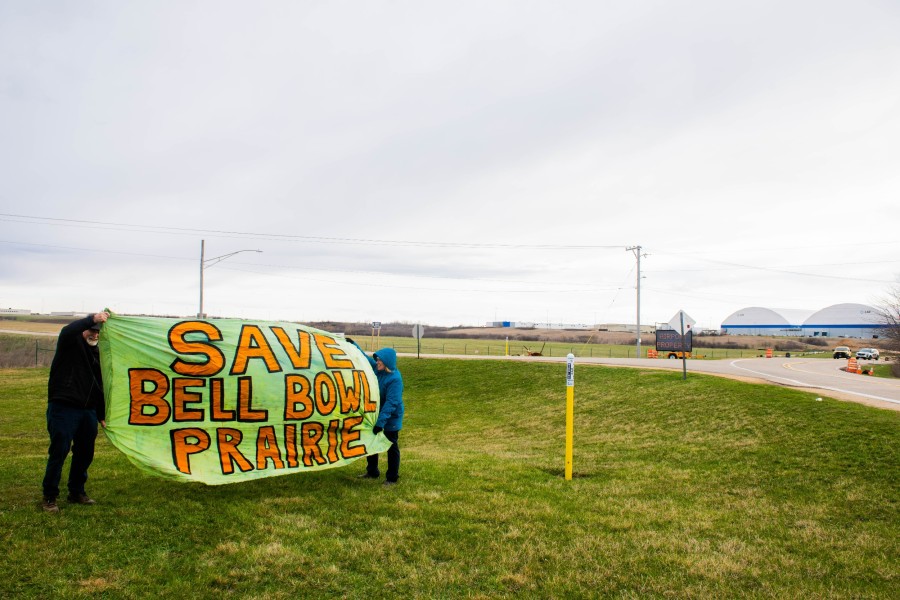
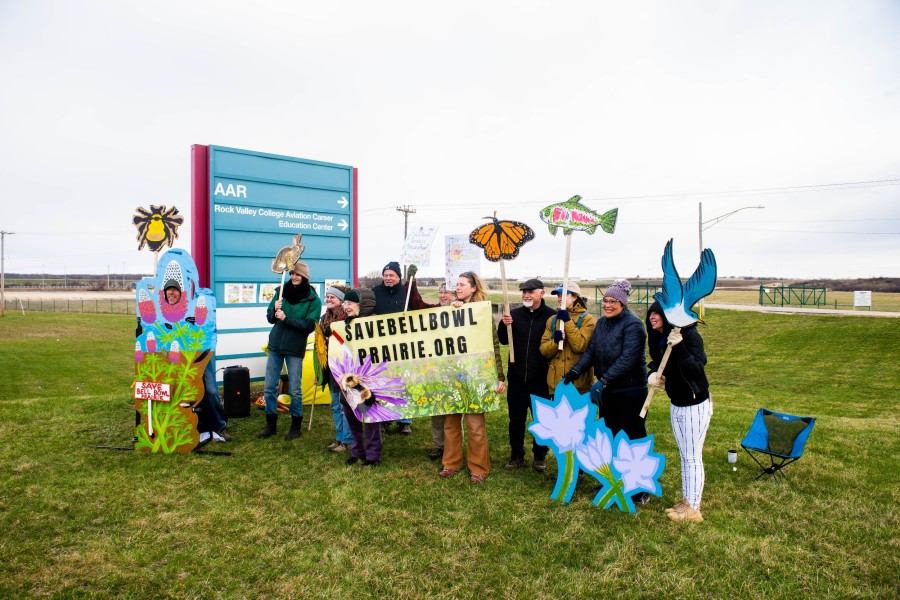
Bell Bowl protest

Conservationists rallied to save the Bell Bowl Prairie in April 2022 as a lawsuit winds its way through federal court that challenges airport expansion. Suzanne Tennant / WBEZ

  • WBEZ RECOMMENDS

Chicagoans, can’t afford your water bills? Here’s what you need to know.

read more

Progress too now threatens the Bell Bowl. Its neighbor, the Chicago Rockford International Airport, has been on an expansion boom driven by its role as an Amazon cargo hub fulfilling orders from “one-click” shopping. For a depressed region that was once a rust-belt poster child, the airport, which employs 8,500 people who move $3 billion in international goods annually, is an economic engine that has lifted the region. It has almost nowhere to grow, hemmed in on three sides by two rivers to the south and west, and a railroad to the east.

If not for the discovery of a tiny, endangered bee with a distinctive orange spot known as the rusty patched bumblebee, the prairie – which sits in the middle of the airport – would be bulldozed by now. A lawsuit has stopped construction in its tracks and, with it, a strip of land too steep and gravelly to plow has gone from worthless to priceless in the eyes of its two beholders: Conservationists and officials keen on economic development.
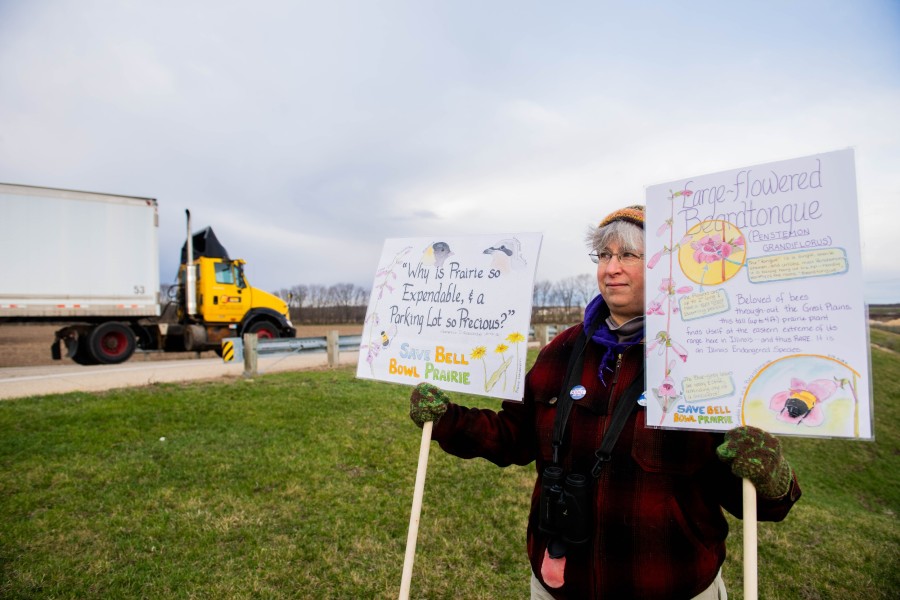
Bell Bowl protest with truck

Rockford resident Ellen Rathbone attended an April 2022 protest organized by conservationists who want to save the Bell Bowl prairie and preserve its unique ecosystem. Suzanne Tennant / WBEZ

For its defenders, the tiny remnant prairie is a cherished reminder of a less spoiled, almost mythic, past — the land of indigenous tribes, bison and tallgrass plants shimmying in the breeze. For others, the value comes from a scientific understanding that undisturbed prairie, with its complex ecosystem, contains a gene pool of still-hidden lessons for mankind that cannot be recreated or replaced, even by well-meaning prairie restoration projects in Illinois like Midewin and the Nachusa Grasslands.

Each side has something to lose: The airport does not want a lengthy court battle holding up the expansion, and open-land advocates know that current laws favor construction over conservation. Bell Bowl’s steward for almost 50 years, the Natural Land Institute, argues that with minor changes to the design, Rockford can have both airport expansion and preserve a rare prairie remnant.

“We do not want to stop this airport expansion,” Kerry Leigh, the executive director of the land institute, told WBEZ’s Reset in March.

Better yet, one local landscape architect says, redesign the expansion plan to showcase and connect the isolated prairie to nearby open spaces for tourism, recreation and natural resource preservation. There could be a solution in reach, if the two sides start talking.
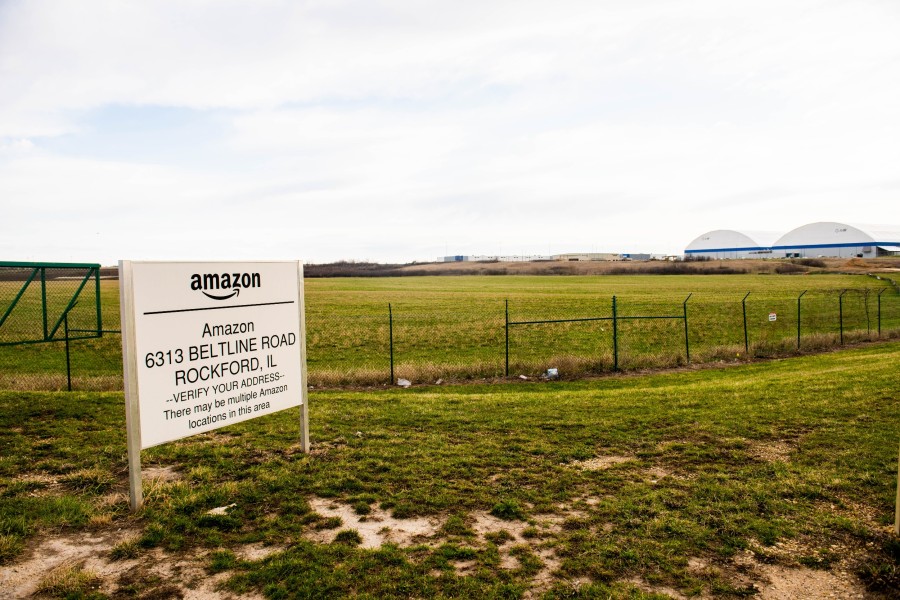
Bell Bowl Amazon sign

Driven by its role as a cargo hub for Amazon, Chicago Rockford International Airport has created thousands of jobs for the region. Suzanne Tennant / WBEZ

Bell Bowl has been here before

This is the third time in 100 years that the small and vulnerable Bell Bowl has had to be saved. The first was by a physician, and the second time by his son.

When the United States entered World War I in 1917, the Army bought 6,000 acres of farmland south of Rockford to build a training camp for 56,000 troops and named it after General Ulysses S. Grant. It was a big shot in the arm for Rockford, creating thousands of construction jobs.

Soldiers ran up and down the glacial moraines in trench warfare training maneuvers. One particularly steep shelf led down into an elongated, scoured-out bowl filled with gravel. This bowl-shaped area was named after the camp commandant, Gen. George Bell.
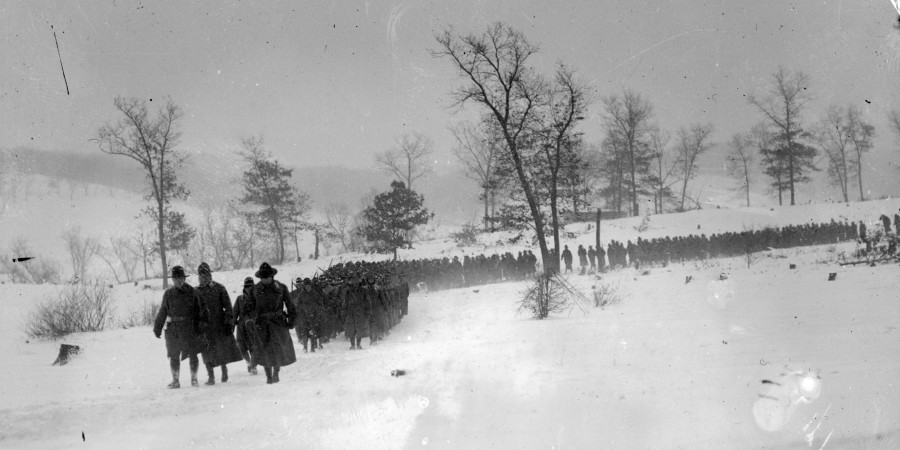
Bell Bowl and Camp Grant historic photo

Soldiers of the U.S. Army’s 343rd Infantry march through the snow at Camp Grant in Rockford in 1918. The army established a training camp on remnant prairie lands that later were named the Bell Bowl. Chicago Daily News Collection, Chicago History Museum

Having never been plowed or planted by the European immigrants who settled Illinois by slicing through deep prairie roots in the 1800s, Bell Bowl became a research subject for the camp psychiatrist, an amateur botanist named Egbert W. Fell. After the war, Rockford bought the camp and built the new airport there. Fell struck an agreement with the airport authority in 1957 to leave Bell Bowl undisturbed “if at all possible.”

A decade or so later, the prairie would come under threat again. By this time, the psychiatrist’s son, George Fell, had already established the nonprofit Nature Conservancy and helped launch a national movement to preserve wild lands. Fell and his Illinois-based Natural Land Institute tried unsuccessfully to buy the prairie site. When, as feared, in 1968 the airport’s new leadership got permission to excavate gravel, Fell raised money, wrote letters, made speeches and led tours. He reportedly sweet-talked a bulldozer operator into idling his machine. Finally Gov. Samuel Shapiro intervened.

Though saved and preserved, Bell Bowl isn’t entirely pristine, said Jerry Paulson, a member of the Winnebago County Forest Preserve board who has spent many of his 50 working years finding and saving prairie remnants. Calvary horses and hay were brought in by rail from all over the country to tow the World War I-era cannons around. These imports, and the horse manure, introduced new plants to the area, including the eastern prickly pear cactus and Mexican hat coneflower. During World War II, the army used one end as an outdoor auditorium where soldiers watched Joe Louis box in an exhibition.

“Bell Bowl prairie is complicated,” Paulson said. “There’s always a story behind prairie remnants.”

Decades passed, the prairie stewards conducted controlled burns every few years, and airport workers even pitched in with the land institute employees and volunteers to cut invasive and non-native brush. A few years ago, that changed, at first almost imperceptibly, then suddenly.
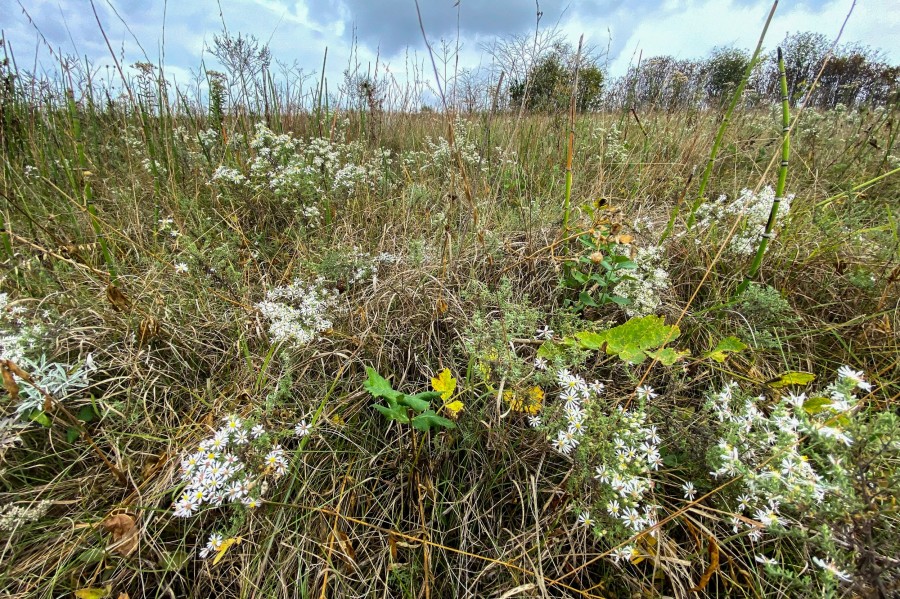
Pristine Bell Bowl Prairie with plants

The Bell Bowl Prairie is an ecosystem of its own with rare native plants. Courtesy of Cassi Saari

A surprising move

After seeing the bulldozer last August, the first call birdwatcher Dan Williams made was to Zach Grycan, stewardship coordinator at the land institute. Over the past seven years Grycan had probably spent more time than anyone tending to Bell Bowl, pulling invasive wild parsnip, leading controlled burns, and getting down on his hands and knees to search for prairie dandelion and large-flowered beardtongue, both endangered in Illinois.

“The prairie is so colorful, when you are standing in it, up close and personal,” said the soft-spoken Grycan. “These prairie plants have such color to attract all the pollinators. The insects that are visiting, they see everything in technicolor.”

Grycan’s friend, and fellow conservationist, Jessie Crow Mermel, described “a reverence” standing there. “It’s older than the pyramids.”
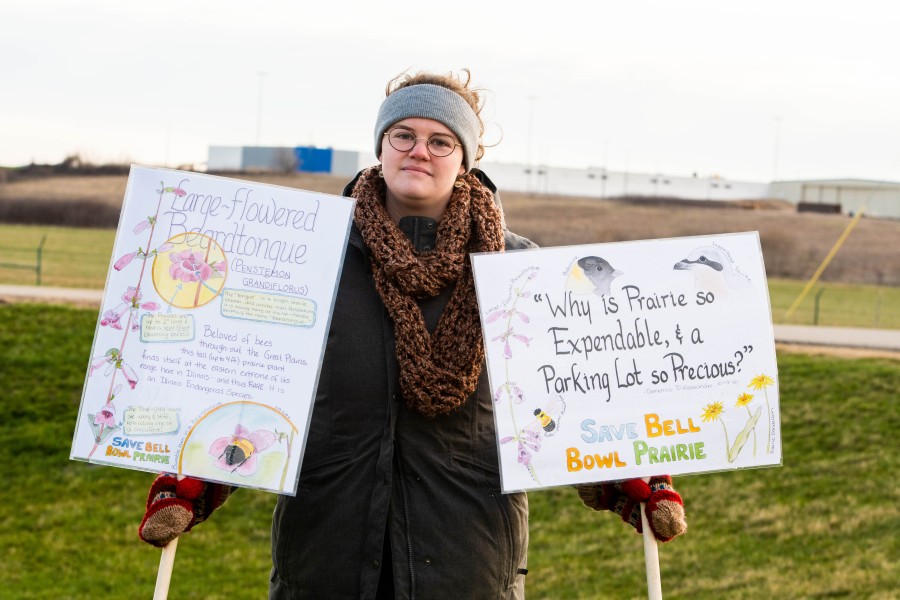
Bell Bowl prairie protester Jessie Crow Mermel

Jillian Neece helped organize the April rally to save the prairie. Suzanne Tennant / WBEZ

Now all that was at risk. In 2019, after publishing a required notice, the airport commission held public meetings to discuss and approve the expansion plans. It completed and submitted a required environmental assessment to the Federal Aviation Administration. But the land institute said it did not attend the meetings, and the airport never told the group directly about the construction plan to cut through the prairie, even though the two parties had a written stewardship agreement dating back to 1977.

“It was quite a slap in the face,” Paulson said.

Williams’ call prompted an urgent trip out to Bell Bowl the next day. With Grycan was his wife, Melissa, a natural heritage biologist in the Illinois Department of Natural Resources. Dismayed at the extent of the excavation, the couple’s mood changed when they saw endangered bumble bees feeding. “You’ve got to be kidding me, these bees are on this site? It was sort of a joke on the way over – ‘What if we find the Rusty Patched Bumblebee?’” He took photos, and she filed a report with her agency. “I was like, giddy, obviously, because it meant the project would have to go through a reevaluation,” said Zach Grycan.
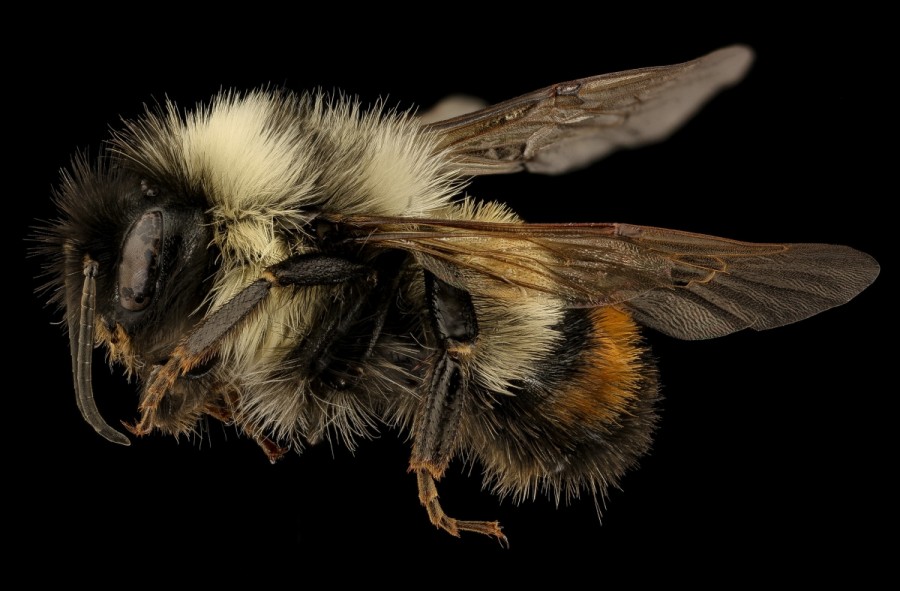
The rusty patched bumblebee

The rusty patched bumblebee is a protected species. USGS Bee Inventory Monitoring Lab

By any measure, the airport had become an economic juggernaut since a UPS hub relocated there from Iowa in the 1990s. That growth accelerated with the 2016 arrival of Amazon, one of the world’s largest companies.

One study concluded that, in just a decade, the airport’s economic impact quadrupled, and the number of the jobs more than tripled. It remits $2 million a year in property taxes to schools and public services. The current expansion plan if and when it is completed, would add another 240,000 square feet for new cargo tenants.

“It’s pretty impressive,” said Chicago Rockford International spokesman Zach Oakley, who grew up a couple miles from the airport and worked on a UPS ramp there after high school. Today, he said jobseekers relocate from the Chicago suburbs for airport work.

To expand and serve more trucks in and out to ferry packages, the airport needed a new road. That road was designed to go through Bell Bowl Prairie because the current road does not provide “safe and efficient access,” Oakley said.

Rockford Mayor Tom McNamara declined to comment for this story. But the mayor of nearby Loves Park, Gregory Jury, said the airport has put families back to work. “Some of these kids are walking out of high school and going to the community college tech school. They are able to earn a living and support their family.”

Jury said the airport could pay to move the prairie plants, or buy other land to preserve. “It’s there, yeah,” he said of Bell Bowl. “But at the rate it’s going, it’s all going to be concrete someday anyway.”
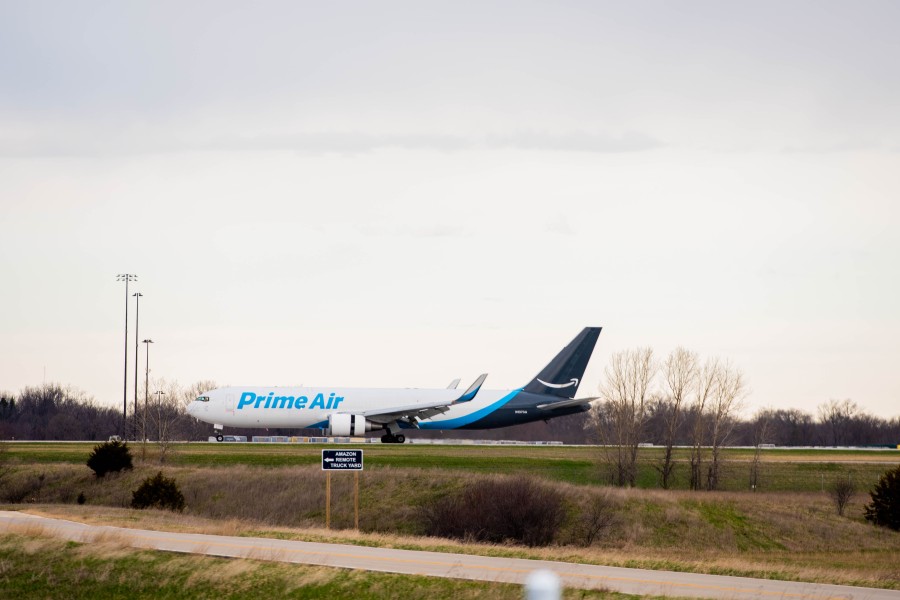
Amazon Prime plane at Chicago Rockford International Airport

Chicago Rockford International Airport has become an economic force in the region, driven by its role as an Amazon cargo hub. Suzanne Tennant / WBEZ

Between gravel and a hard place

Elected officials want to be seen creating jobs, not bulldozing a landscape that, in spring, teems with the pink eastern pasque, or “Passover,” flower. But the conflict over conservation and commerce has put some high-profile politicians in a hard place, including Gov. JB Pritzker.

Pritzker’s reelection campaign is broadcasting a commercial touting the Rockford airport expansion. But the governor has also signed a pledge to conserve and protect 30% of the state’s land by 2030.
Conservationists said their efforts to save the prairie have intensified in light of recent J.B. Pritzker campaign ads touting the airport expansion

Conservationists said their efforts to save the prairie have intensified in light of recent J.B. Pritzker campaign ads touting the airport expansion. Suzanne Tennant / WBEZ

Pritzker said publicly he would like to see a compromise, but declined to comment to WBEZ for this story.

The federal court is weighing various questions regarding the lawsuit, including whether the land institute has standing to sue. Conservationists, meanwhile, are intensifying their pressure, collecting 10,000 signatures via an online petition and protesting at commission meetings. The $50 million expansion, which is 65% complete, has been put on hold until the airport conducts a second biological assessment to be reviewed by the feds.

Oakley would not comment on the airport’s relationship with the conservation group behind the suit, or on proposals to move the road, but highlighted a concession it made in the plan by eliminating a pond to temporarily hold water overflow.

The airport also agreed to allow the state to transplant some of the prairie plants elsewhere, but that idea was scuttled after opposition from the Forest Preserve and others. One person compared it to shattering a stained glass window into a thousand pieces and reassembling it.

“The airport could be a model,” Paulson said. “But they don’t see it that way. The power of the Amazons of this world is just too great. The idea of bigger and bigger is too ingrained.”

While the transplant idea fell flat, some have laid out another path to compromise. Rockford landscape architect Domenico D’Alessandro sketched out a detailed proposal that asks the airport to dedicate 38 acres to connect Bell Bowl to one of the region’s most valuable and high-quality natural areas at the confluence of the Rock and Kishwaukee rivers – a place where the fishing is bountiful and rare mussels have reappeared in the waters.

The airport property is public land, D’Alessandro said, and officials there have an obligation to satisfy both economic and environmental concerns since they receive millions in state and federal dollars, including $3.6 million in Rebuild Illinois infrastructure monies.

“We can do a fantastic program that everyone is proud of, rather than playing shuffleboard trying to fill this wedge shape,” D’Alessandro said. “We have so many people who have told us to work with nature, not against nature. This is what keeps the planet alive.”

At the very least, D’Alessandro’s greenway proposal might be a starting point for a long-term discussion about the airport’s growing footprint, which has another 1 million square foot of construction on the drawing board.

“Would I like to see a compromise where the environment and our natural resources are preserved and the economic development that the airport brings succeeds?” said John Groh, CEO of the Rockford Area Convention & Visitors Bureau. “Absolutely. I’m an optimist.”

Zachary Nauth is a freelance writer based in Oak Park.

Above is from:  https://www.wbez.org/stories/rockford-airport-amazon-expansion-threatens-bell-bowl-prairie-and-bumblebee/dd845bea-ac29-43a6-8a6d-41f7cb527de3

Russian Sympathizers in Germany

WORLD & NATION

Putin sympathizers in Germany: Living in a parallel universe


(Markus Schreiber / Associated Press)

BY MARKUS ZIENER

APRIL 17, 2022 2 AM PT

BERLIN —

René Herrmann resorted to a radical step to grab the most attention.

As he joined a convoy organized to protest anti-Russian sentiments, he affixed onto the hood of his vehicle a sign emblazoned with the Star of David.

“What used to be the evil Jew [during Germany’s World War II Nazi era] is now the evil Russian,” he said. “Russophobia is everywhere.”

Since the Russian invasion of Ukraine, there have been protests worldwide against Moscow’s actions, and certainly in Germany, where activism abounds in places like Berlin. The rise in voices against Russia has led to some Russian bashing. But it is no secret that many of the more than 2 million migrants from the former Soviet Union who now live in Germany are strong supporters of Vladimir Putin. And they never been shy about publicly expressing their support.


WORLD & NATION

Ukraine war heroes: A student spiriting supplies to soldiers. A DJ answering calls about the missing

April 15, 2022


It’s being overtly expressed in the appropriation of the Star of David — widely recognized as a symbol of Judaism and Jewish identity — in much the same way people against COVID-19 vaccine and mask mandates have used the symbol and the Holocaust to express outrage at the mandates they label as fascism that harkens back to Nazi Germany. German Nazis forced Jews to wear the symbol to mark them as enemies and less than, rounded up and taken to concentration camps, where millions were killed during World War II.

While the use of the Star of David — or the Holocaust — in such a manner is viewed as offensive, it is not the only symbol the pro-Russia crowd in Germany has adopted. In addition to huge Russian national flags, the letter Z seen on Russian tanks and trucks in Ukraine — which stands for Za pobedu [“For victory”] — and the letter V for Sila v pravde [“Our strength is in truth”] are also ubiquitous at these rallies. Many protesters also carry the black-and-orange ribbon of Saint George, a symbol of the victory in World War II and Russian military glory. In Berlin, anyone who displays these symbols is subject to a fine or prosecution.

Herrmann, who is German — not of Russian ancestry — runs a car dealership in Berlin’s east side. He said he has not personally experienced anti-Russian bashing, but that the internet is filled with such stories.


April 10, 2022

Everything he says seems to come straight from the Kremlin’s playbook. Addressing the hundreds of Ukrainian civilians killed in Bucha, some shot with their hands tied behind their backs, he maintains a firm voice.

“They’re all actors,” he said. “And so is their president. They can’t be trusted.”

A week into the Berlin convoy, Herrmann regretted putting the Star of David on his vehicle.

“The police fined me, and that’s OK,” he said dryly.

When asked if he will organize another protest, without question he will, he said.

“I’ll just wait until after May 9, when Putin’s victory parade in Red Square is over.”

Ziener is a special correspondent.

Above is from:  https://www.latimes.com/world-nation/story/2022-04-17/putin-sympathizers-in-germany-living-in-a-parallel-universe?utm_id=53217&sfmc_id=625756

State Officials have new disclosure requirements


2022 Statement of Economic Interest Statement Requests More Information

1/24/2022

Many elected township officials have contacted TOI recently requesting additional information on the new requirements of the 2022 Economic Interest Statement. The form all elected and appointed officials are required to filed with the county clerk on an annual basis. These new requirements were added by legislation and take effect January 1, 2022.

TOI appreciates those who have already reached out, and our team immediately took steps to learn more about this situation, as many of you expressed concerns that the form seems to ask for additional information than has been required in past versions.

As a reminder, please recall this form is a requirement for ALL elected and appointed officials at the state and local levels, so everyone is studying the legislative changes carefully.

The specific changes made by the General Assembly (and signed by the Governor) appear in Public Act 102-644 and are now part of 5 ILCS 420/4A-103 as of January 1, 2022.

As part of our review, our team reached out to the Illinois Secretary of State’s office, and we also consulted with private attorneys with township experience.

TOI provides the following recommendations on compliance:

First, the Annual Statement of Economic Interest is still required to be filed with your County Clerk no later than May 1 each year. This year (2022), the form clearly has a more defined set of questions new information related to your assets, debts, and interests. While this may appear to be a concerning new level of information to share, please know that the definitions of these key terms also have specific EXCLUSIONS in the law. This is important, as we do not want this new form to change your appreciation for Township Government or your willingness to serve as an elected public official.

Please review the actual language from the amended law (5 ILCS 420/1), that provides those definitions and exclusions. Then, feel free to reach out to your local County Clerk, as those offices have oversight of the form for LOCAL officials.

(5 ILCS 420/1-102.5)

Sec. 1-102.5. "Asset" means, for the purposes of Sections 4A-102 and 4A-103, an item that is owned and has monetary value. For the purposes of Sections 4A-102 and 4A-103, assets include, but are not limited to stocks, bonds, sector mutual funds, sector exchange traded funds, commodity futures, investment real estate, beneficial interests in trusts, business interests, and partnership interests. For the purposes of Sections 4A-102 and 4A-103, assets do not include: personal residences; personal vehicles; savings or checking accounts; bonds, notes, or securities issued by any branch of federal, state, or local government; Medicare benefits; inheritances or bequests, other than beneficial interests in trusts; diversified funds; annuities; pensions (including government pensions); retirement accounts; college savings plans that are qualified tuition plans; qualified tax-advantaged savings programs that allow individuals to save for disability-related expenses; or tangible personal property.

(5 ILCS 420/1-104.4)

Sec. 1-104.4. "Debt" means, for the purposes of Sections 4A-102 and 4A-103, any money or monetary obligation owed at any time during the preceding calendar year to an individual, company, or other organization, other than a loan that is from a financial institution, government agency, or business entity and that is granted on terms made available to the general public. For the purposes of Sections 4A-102 and 4A-103, "debt" includes, but is not limited to: personal loans from friends or business associates, business loans made outside the lender's regular course of business, and loans made at below market rates. For the purposes of Sections 4A-102 and 4A-103, "debt" does not include: (i) debts to or from financial institutions or government entities, such as mortgages, student loans, credit card debts, or loans secured by automobiles, household furniture, or appliances, as long as those loans were made on terms available to the general public and do not exceed the purchase price of the items securing them; (ii) debts to or from a political committee registered with the Illinois State Board of Elections or political committees, principal campaign committees, or authorized committees registered with the Federal Election Commission; or (iii) a loan from a member of the filer's family not known by the filer to be registered to lobby under the Lobbyist Registration Act.
(Source: P.A. 102-664, eff. 1-1-22.)

The term “tangible personal property” is used in the definition of asset and would serve to exclude a lot of items. Black’s law dictionary defines the term as “Corporeal personal property of any kind; personal property that can be seen, weighed, measured, felt, touched, or in any other way perceived by the senses, examples being furniture, cooking utensils, and books.” PROPERTY, Black's Law Dictionary (11th ed. 2019).

When considering whether you may have to list an “asset”, you should note that the Illinois Department of Revenue has described “personal tangible property” as that which “exists physically (i.e., you can touch it) and can be used or consumed. Clothing, vehicles, jewelry, and business equipment are examples of tangible personal property… Paper assets that represent value, such as stock certificates, bonds, and franchises, are not tangible property.” Items like those in the description would be tangible personal property and would be excluded from assets that would have to be disclosed.

https://www2.illinois.gov/rev/questionsandanswers/pages/164.aspx#:~:text=Clothing%2C%20vehicles%2C%20jewelry%2C%20and,franchises%2C%20are%20not%20tangible%20property

The term “debt” excludes “debts to or from financial institutions … such as mortgages, student loans, credit card debts, or loans secured by automobiles, household furniture, or appliances, as long as those loans were made on terms available to the public and do not exceed the purchase price of the items securing them”. In other words, most debts that people will have been excluded from the definition because most people’s debts are through banks, credit unions, or credit cards.

Please remember that completion of the form is required and cannot be ignored. If you have questions, you may contact your county clerk.

Please note that I am not an attorney. Further, that if you are looking for a legal interpretation of the statutory requirements outlined above you may consider contacting your township attorney.

(Source: www.ilga.gov; P.S. 102-644, effective 1/1/22)


Above is from:  https://www.toi.org/News/147/2022-Statement-of-Economic-Interest-Statement-Requests-More-Information/news-detail/

Friday, April 15, 2022

How Donald Trump reminds us of an important Good Friday lesson

NBC News

How Donald Trump reminds us of an important Good Friday lesson

Opinion by Rev. Nathan Empsall - 5h ago

<?

Good Friday is a day when Christians remember Jesus Christ’s death on the cross — his execution upon an instrument of state torture.

It is also a powerful reminder of how dangerous it is for society when authoritarian politicians and corrupt religious leaders conspire for power and dominion.

Good Friday’s warning resonates deeply even now, nearly 2,000 years after Jesus’ death. That’s because the relationship between the religious authorities of Christ’s time and the brutal Roman governor who ordered his execution, Pontius Pilate, is little different from the Christian nationalist bond that exists between today’s Republican Party and conservative American Christianity.


Regional Roman dictators like Pilate relied on local religious elites to help them build power by keeping order within their jurisdictions. In exchange, the religious leaders were allowed to keep power and status. Everybody benefitted — except for critics like Jesus, the poor, and the oppressed.

Two millennia later, modern Republican politicians like Donald Trump and Rep. Marjorie Taylor Greene, R-Ga., use conservative evangelical and Roman Catholic leaders in a similar fashion, repeatedly citing their faith, sharing their national spotlight and promising businesses the “religious freedom” to practice harmful discrimination.

Eager to bask in the political glory, far too many pastors and priests lap it up, indoctrinating their followers with the ideology of Christian nationalism: the false ideas that America is a Christian nation, and that there is no difference between one’s conservative Christian identity and one’s national identity.

Yet these same politicians, despite their claims to uphold biblical morality, completely ignore the Gospel. Instead, they try to cut access to health care for the poor and middle class, control the bodies of women and LGBTQ people in the U.S., and force public schools to teach our children a falsified and racist version of U.S. history. When these outwardly religious Republicans lose elections, they don’t think twice about changing the rules, attacking the right to vote or demanding that Congress throw out millions of ballots from 2020, which would have disproportionately affected the votes of Black Americans and other people of color.

Why, then, do so many conservative religious leaders turn their backs on Jesus to stick with their favorite immoral politicians? It is because they now worship at the altar of power, not God, as the title of investigative journalist Katherine Stewart’s latest book, “The Power Worshippers,” suggests. I don’t doubt that these pastors, priests and pundits believe they are doing the right thing, yet I am reminded of Luke 4:1-13, when Satan tempted Jesus with absolute dominion: “To you I will give their glory and all this authority; for it has been given over to me, and I give it to anyone I please. If you, then, will worship me, it will all be yours.”

Jesus didn’t fall for it, but the MAGA movement’s politicians and pastors most certainly have.

Trump’s attempted power grab on Jan. 6, 2021, featured  Christian nationalist signs that declared “Jesus is my king, Trump is my president.” The attack itself was partly inspired by the attendance of religious leaders at “Stop the Steal” rallies, including the book-burning pastor Greg Locke, the prominent Christian radio host and author Eric Metaxas, and the Catholic leaders Archbishop Carlo Maria Viganò and Bishop Joseph Strickland. The evangelist Franklin Graham initially downplayed the failed coup, dismissing it as the work of “antifa.”

Viganò and Locke have since joined the “ReAwaken America” megachurch tour headlined by Eric Trump, Michael Flynn, the disgraced former general and Trump national security adviser, and a host of MAGA celebrities. Tour speakers use their church platforms to spread QAnon conspiracy theories, decry political opponents and Covid vaccines as  “Luciferian,” and assure their audiences that everyone in the room is on “Team Jesus.” At one “ReAwaken America” event last year, Flynn even proclaimed that America should “embrace one religion.”

We’ve seen what happens when religious leaders partner with authoritarian rulers before: Not just when Pontius Pilate killed Jesus, but also when the Deutsche Christen threw its support behind Adolf Hitler, and in Eastern Europe today where Russian Orthodox Patriarch Kirill is among Russian President Vladimir Putin’s staunchest supporters.

Yet while Trump’s authoritarian MAGA movement has become all but synonymous with white evangelical Christianity, it does not speak for most Christians in the U.S., who are sick of seeing our faith hijacked for hateful political agendas.

For example, Christians Against Christian Nationalism is an inspiring initiative convened by the Baptist Joint Committee and endorsed by multiple denominational leaders. It is particularly notable for producing helpful resources that churches and individuals can use to identify and root out this toxic ideology from their own communities.

At Faithful America, the Christian organization I lead, more than 13,000 grassroots members have called on churches not to host the “ReAwaken America Tour.” We’ve also deployed a mobile-billboard truck to recent tour stops, exposing the speakers as false prophets who distort our religion to undermine democracy.

Another 20,000 Christians have signed Faithful America’s petition to Paramount and Roku, calling on the streaming platforms to drop the propaganda networks OAN, Newsmax and Real America’s Voice.

Holy Week is a time for Christians to unite in Jesus’ resurrection and call to new life, not be divided by the old life’s hunger for earthly power. It is my prayer that history will remember today’s Christians in the U.S. as standing in the tradition of the German theologian Dietrich Bonhoeffer and his courageous opposition to the Nazis, rather than as spiritual heirs to Hitler’s Deutsche Christen. This Good Friday, let us take up our crosses and love our neighbors by standing up to those brutal authoritarians who would destroy both democracy and the church in Jesus’ name.

Above is from:  https://www.nbcnews.com/think/opinion/donald-trump-good-friday-warning-far-right-christian-nationalism-rcna24491

Thursday, April 14, 2022

April 14, 2022: Johns Hopkins COVID 19 Report

COVID-19 Situation Report

Editor: Alyson Browett, MPH

Contributors: Clint Haines, MS; Natasha Kaushal, MSPH; Amanda Kobokovich, MPH; Christina Potter, MSPH; Matthew Shearer, MPH; Marc Trotochaud, MSPH; and, Rachel A. Vahey, MHS.

NOTICE The Situation Report will not publish on Tuesday, April 19. The report will resume publication on Thursday, April 21.

EPI UPDATE The WHO COVID-19 Dashboard reports 499 million cumulative cases and 6.18 million deaths worldwide as of April 13.

We expect the global cumulative incidence to surpass 500 million cases in the WHO’s next update. If that is the case:

1 case to 100 million- 389 days

100 to 200 million- 190 days

200 to 300 million- 155 days

300 to 400 million- 33 days

400 to 500 million- 64 days

The global weekly incidence decreased for the third consecutive week, down 23% from the previous week, and all regions reported decreasing trends in weekly incidence last week. The trend in reported global weekly mortality decreased for a second consecutive week, down 17% from the previous week.

Global Vaccination

The WHO has not updated vaccination data since our last epidemiology update on April 7. As of April 5, WHO reported 11.3 billion cumulative vaccine doses administered globally, with 5.06 billion individuals receiving at least 1 dose, and 4.54 billion fully vaccinated. Analysis from Our World in Data indicates that the overall trend in global daily vaccinations continues to decline, down from nearly 40 million doses per day in late December 2021 to 12.2 million on April 13, a decrease of 69% over that period.* The trend continues to closely follow that in Asia. Our World in Data estimates that there are 5.11 billion vaccinated individuals worldwide (1+ dose; 64.83% of the global population) and 4.6 billion who are fully vaccinated (58.45% of the global population). A total of 1.74 billion booster doses have been administered globally.

*The average daily doses administered may exhibit a sharp decrease for the most recent data, particularly over the weekend, which indicates effects of reporting delays. In an effort to reflect the longer-term trends, the numbers reported here may not correspond to the most recent data.

UNITED STATES

The US CDC is currently reporting 80.3 million cumulative cases of COVID-19 and 984,018 deaths. The 7-day daily incidence was 29,401 new cases on April 12, trending upward since a recent low of 24,816 on March 29. Daily mortality appears to have leveled over the past week, with a 7-day average of 454 on April 7, increasing to 493 on April 8, and down to 452 on April 12.* Notably, the 7-day moving average number of new hospital admissions of people with confirmed COVID-19 is +1.4% over the prior 7-day average, reflecting the increasing trend in incidence.

*Changes in state-level reporting may affect the accuracy of recently reported data, particularly over weekends. In an effort to reflect the longer-term trends, the numbers reported here may not correspond to the most recent dates.

US Vaccination

The US has administered 567 million cumulative doses of SARS-CoV-2 vaccines. Daily vaccinations have increased significantly over the past 2 weeks, with the average climbing from 157,534 on March 28 to 444,409 on April 7. The increase likely is a result of the US FDA’s authorization of a second booster dose of the mRNA-based SARS-CoV-2 vaccines for certain individuals. A total of 256.5 million individuals have received at least 1 vaccine dose, which corresponds to 77.3% of the entire US population. Among adults, 88.7% have received at least 1 dose, as well as 27.5 million children under the age of 18. A total of 218.6 million individuals are fully vaccinated**, which corresponds to 65.8% of the total population. Approximately 75.8% of adults are fully vaccinated, as well as 23 million children under the age of 18. A total of 99 million individuals have received an additional or booster dose. This corresponds to 45.3% of fully vaccinated individuals, including 67.9% of fully vaccinated adults aged 65 years or older.

*Due to delays in reporting, estimates for the average daily doses administered are less accurate for the most recent several days.

**Full original course of the vaccine, not including additional or booster doses.

WHO PHEIC EXTENSION This week, the International Health Regulations (2005) Emergency Committee, convened by the WHO Director-General, met for the eleventh time to consider the COVID-19 pandemic. After discussion and deliberation, the Committee advised the Director-General that the COVID-19 pandemic continues to constitute a Public Health Emergency of International Concern (PHEIC). The Committee modified 10 of its existing Temporary Recommendations to States Parties and included an additional Temporary Recommendation to update preparedness and response plans to strengthen responses and perform intra-action and after-action reviews to inform current and future efforts. The Emergency Committee will reconvene in 3 months or earlier if needed. Regarding the continued PHEIC declaration, Emergency Committee Chair Dr. Didier Houssin noted that “it’s always easier to declare a pandemic than undeclare one,” clarifying that the Emergency Committee is creating criteria to determine when it will be appropriate to recommend an end to the PHEIC according to epidemiological conditions and the status of the international response.

US TRAVEL MASK MANDATE The US CDC on April 13 extended the travel mask mandate for public transportation through May 3 in order to assess a recent uptick in COVID-19 cases driven by the Omicron BA.2 subvariant. Experts are watching to see whether the increase remains low or surges and how it impacts the nation’s healthcare systems. The 7-day average number of cases has steadily increased since early April, and the CDC estimates that 86% of all US cases are attributable to BA.2. The administration of US President Joe Biden is facing increasing pressure to lift the mask mandate for air travel and public transit. Prior to the extension, the trade group Airlines for America and a group of Republican US lawmakers sent letters to President Biden and administration officials saying a mandate extension did not align with current CDC policy allowing most people to forego indoor masking. Other Members of Congress, as well as some public health experts, support the continuation of the travel mask mandate, primarily to help lower the risk of transmission to older adults, children not yet eligible for vaccination, people with immunocompromise, and those with disabilities who cannot wear masks. 

Because of the increase in cases, as well as the ongoing impacts of the pandemic, US Secretary of Health and Human Services Xavier Becerra renewed for another 90 days the national public health emergency declaration, which was set to expire on April 16. The renewed determination allows millions of US residents to continue to receive tests, treatments, and vaccines free of charge.

BOOSTERS FOR YOUNG CHILDREN Pfizer and BioNTech announced today they plan to request US FDA Emergency Use Authorization (EUA) of a 10µg booster (third) dose of the companies’ SARS-CoV-2 vaccine in young children aged 5-11 years old. The submission, which is expected in the coming days, is based on data from a phase 2/3 clinical trial showing a third dose administered 6 months from the second shot demonstrated a 6-fold increase in SARS-CoV-2 wild-type strain-neutralizing geometric mean titers (GMTs) 1 month after the dose compared to the neutralizing GMTs 1 month after the second shot. In a subanalysis, sera from 30 participants showed a 36-fold increase in SARS-CoV-2 Omicron-specific neutralizing titers. The companies noted a robust response was seen regardless of prior infection. As of April 6, only 28% of children aged 5-11 had received the 2-dose primary vaccine regimen, according to US CDC data.

CUMULATIVE INFECTIONS As of mid-November 2021—prior to the emergence of the highly transmissible Omicron variant of SARS-CoV-2—about 44% of the global population had been infected with SARS-CoV-2 at least once, according to a report published last week in The Lancet. In order to calculate the estimates, the COVID-19 Cumulative Infection Collaborators developed new and refined statistical models of global and location-specific daily and cumulative COVID-19 infections. However, the cumulative proportion of the population ever infected varied widely between countries and territories, with 40 countries having rates higher than 70% and 39 countries with rates lower than 20%. Notably, the effective reproduction number was not associated with these rates, even when total immunity levels were 80%, showing that there is no clear herd immunity threshold at this time. The estimates—which some researchers view as more robust than previous studies—highlight large regional differences and could help policymakers identify the most effective strategies for preventing transmission and target future interventions, including vaccination.

MYOPERICARDITIS A systematic review and meta-analysis published April 11 in The Lancet Respiratory Medicine compares the incidence of heart inflammation post-COVID-19 vaccination to vaccinations for other diseases. The researchers used data collected from 4 international databases spanning the years 1947-2021. According to the analysis, overall risk of myopericarditis post-COVID-19 vaccination was low (18.2 cases per million doses [95% CI: 10.9–30.3], 11 studies [395,361,933 doses], high certainty), which does not significantly differ from the incidence calculated from non-COVID-19 vaccines (56.0 cases per million doses [95% CI: 10.7–293.7], 11 studies [9,910,788 doses], moderate certainty, p=0.20). Among those who experienced myopericarditis after COVID-19 vaccination, incidence was significantly higher among males, among individuals under the age of 30, after receiving an mRNA vaccine, and after a second dose rather than a first dose or third dose booster. Notably, the risk of heart inflammation after COVID-19 infection is a pressing public health concern, as highlighted in a Circulation article published April 12 describing the prevalence, characteristics, and outcomes of COVID-19-associated acute myocarditis.

LOSS OF SMELL A recent publication in JAMA Neurology provides some context as to why loss of smell is a common symptom among COVID-19 patients. Olfactory symptoms—including anosmia (partial or full loss of smell), hyposmia (reduced sense of smell), and parosmia (distorted sense of smell)—affect 30-70% of COVID-19 patients, regardless of disease severity, and symptoms sometimes linger up to 12 months. The study team collected postmortem olfactory tissue from 23 deceased patients with COVID-19 and 14 matched controls. The study team also recorded the symptom history and disease severity of deceased patients according to clinical records and family members. According to the study results, SARS-CoV-2 infection could cause injury to olfactory tissue via axon injuries and microvasculopathy with severity of pathology indicating that, in some COVID-19 cases, the damage could be permanent. However, SARS-CoV-2 was not detected in the olfactory bulb in the majority of deceased COVID-19 patients. Together, these findings indicate that instead of direct viral injury being the cause of smell-related symptoms, SARS-CoV-2 infection of the olfactory epithelium prompts inflammation, which then causes damage to neurons, reducing signaling to the brain from the axons and resulting in olfactory dysfunction. The study team plans to conduct further research on tissue taken from patients who died of the Delta or Omicron variants.

ANIMAL TESTING The US CDC recently updated its guidance for SARS-CoV-2 testing in animals, removing a previous statement advising state agencies that they could avoid routine animal testing and instead recommending that testing occurs in accordance with a One Health approach. The change in guidance comes shortly after the WHO prioritized similar recommendations over concerns that SARS-CoV-2 is circulating among the North American white-tailed deer population. The US Department of Agriculture's Animal and Plant Health Inspection Service (APHIS) conducts SARS-CoV-2 surveillance among several animal populations, including deer, rats around the New York City sewer system, and wildlife around mink farms. APHIS said the risk of the virus spreading from animals, including pets, to people remains low but noted that about 3 of every 4 new or emerging infectious diseases in people occur through transmission from animals, called zoonosis. In some cases, animals could serve as useful sentinels of certain diseases, according to a report published in this month’s CDC Emerging Infectious Diseases journal. In the US Senate, a bipartisan group of lawmakers has introduced the Preventing Future Pandemics Act of 2022 (S.4074) that would authorize the US government to collaborate with other nations to develop plans to reduce the risk of new zoonotic pathogens spilling into the human population.

VACCINATIONS IN ITALY SARS-CoV-2 vaccines prevented about 150,000 COVID-19-related deaths and 8 million COVID-19 cases in Italy in 2021, according to estimates from Italy’s national health institute, Istituto Superiore di Sanità (ISS). The data, collected between December 27, 2020 and January 31, 2022, also showed the nation's vaccination campaign prevented more than 500,000 hospitalizations and more than 55,000 intensive care unit (ICU) admissions. As of April 11, Italy has confirmed 15.3 million COVID-19 cases and registered 161,000 COVID-19 deaths since the pandemic’s beginning, the second-highest total in Europe and the eighth-highest in the world. The ISS used methodology originally developed for assessing influenza vaccines, which compiles vaccine effectiveness and weekly vaccination data to assess impact on COVID-19 hospitalizations, ICU admissions, and deaths.

GLOBAL VACCINE DATA NETWORK Mass vaccinations during the COVID-19 pandemic have revitalized a global effort to gather data to assess vaccine safety, examine the biology behind rare complications and who might be at an increased risk of adverse events, and investigate potential ways to mitigate vaccination side effects. The Global Vaccine Data Network (GVDN) was conceived more than 10 years ago when the H1N1 influenza pandemic emerged, but the initiative failed to obtain sufficient funding and faced specific challenges, such as recruiting adequate vaccinated individuals. However, GVDN recently received US$5.5 million over 3 years from the US CDC to study SARS-CoV-2 vaccine safety. Another initiative, the International Network of Special Immunization Services (INSIS), is finalizing funding agreements to study the biology and immunology of post-vaccine adverse events as they happen. With long-term funding, both efforts could provide much-needed insight into vaccine-associated conditions.

SABIZABULIN An experimental drug originally developed to treat breast and prostate cancers significantly reduced the risk of death among hospitalized moderate-to-severe COVID-19 patients who were at high risk of developing acute respiratory distress syndrome (ARDS) when compared with placebo, the drug’s manufacturer, Veru, announced this week. The results are part of a planned interim analysis and are not yet peer-reviewed. Treatment with the drug, sabizabulin, resulted in a 55% relative reduction in deaths (p=0.0029) in a double-blind, randomized, placebo-controlled phase 3 clinical trial including 210 COVID-19 patients recruited in the US, Argentina, Brazil, Colombia, Mexico, and Bulgaria who were infected with either the Delta or Omicron variants. Patients were randomized 2:1 to receive sabizabulin versus placebo, with 98 patients receiving sabizabulin and 52 receiving placebo; all patients also received standard care and treatment. According to Veru, the placebo group had a 60-day mortality rate of 45% compared with a 20% mortality rate in the treatment group, and the drug was well-tolerated. Additional data—including the proportion of treated patients without ARDS, the length of hospital stay, and time spent on mechanical ventilation—are not yet available. 

As a result of the analysis, an Independent Data Safety Monitoring Committee unanimously recommended that the trial be stopped early because of efficacy. Veru plans to request US FDA Emergency Use Authorization (EUA) for sabizabulin, which the FDA has granted fast-track status. Sabizabulin is the first drug to show clinical benefit in seriously ill, hospitalized COVID-19 patients, including a reduction in mortality, and could prove highly beneficial in hospital settings if the treatment is authorized. Notably, sabizabulin is administered by mouth or feeding tube once a day for up to 21 days and does not require refrigeration, potentially making the drug a useful option for hospitalized patients in low-resource settings.

Wednesday, April 6, 2022

District 100’s new Superintendent

May be an image of 1 person

Belvidere School District 100

ttS18ocugn6gm3h1gc77dg ·

Superintendent Search Update
The Board of Education is excited to share Dr. Cassandra Schug has been hired as the
Superintendent of Schools starting July 1, 2022 She will fill the position currently held by Dr.
Daniel Woestman who has led the District since 2016.
Cassandra Schug has proudly served in the role of an educator in the states of Wisconsin and
Illinois for over 25 years. For the past 11 years, Dr. Schug has served as the Superintendent of
Schools in the Watertown Unified School District.
Dr. Schug enjoys being a contributing and active member of the communities in which she has
lived and worked. She looks forward to moving to the Belvidere community and becoming actively engaged in the Belvidere community organizations as well.
Read our full communication and learn more about Dr. Cassandra Schug.
English: https://d100.rocks/cschug
Spanish: https://d100.rocks/cschugsp

Starting salary is $190,000 for a 261 working day year. The school district pays all of her Teacher Retirement Deductions of 9% of salary.  Within one year the superintendent shall become a resident of the school district. Further details of the contact are available at:  https://go.boarddocs.com/il/district100/Board.nsf/files/CD8VBR7FFB99/$file/Signed%20Super%20Contract.pdf

Tuesday, April 5, 2022

Transcript of Costanza Defamation Case available at Edgar County Watchdog


Here is the beginning of their article.  Go to: https://edgarcountywatchdogs.com/2022/04/former-mayor-costanza-filed-defamation-action-then-admits-in-court-to-past-criminal-acts/ for the entire story and the court transcription.  The court decision is still pending.

To go directly to court transcipt click on the following: https://edgarcountywatchdogs.com/wp-content/uploads/2022/04/20220325-RMS-VS.-SATTLER-ET-AL-pdf.pdf


Former Mayor Costanza Filed Defamation Action, Then Admits In Court To Past Criminal Acts –

BY JOHN KRAFT & KIRK ALLEN

ON APRIL 5, 2022

Boone County, IL. (ECWd) -

After losing his reelection bid for Mayor of Poplar Grove, Owen Costanza filed a complaint in Boone County Circuit Court alleging defamation among other things.

Defendants then filed a Motion to Dismiss under the Citizens Participation Act ("CPA") or ("SLAPP") claiming they were simply exercising their rights to petition….